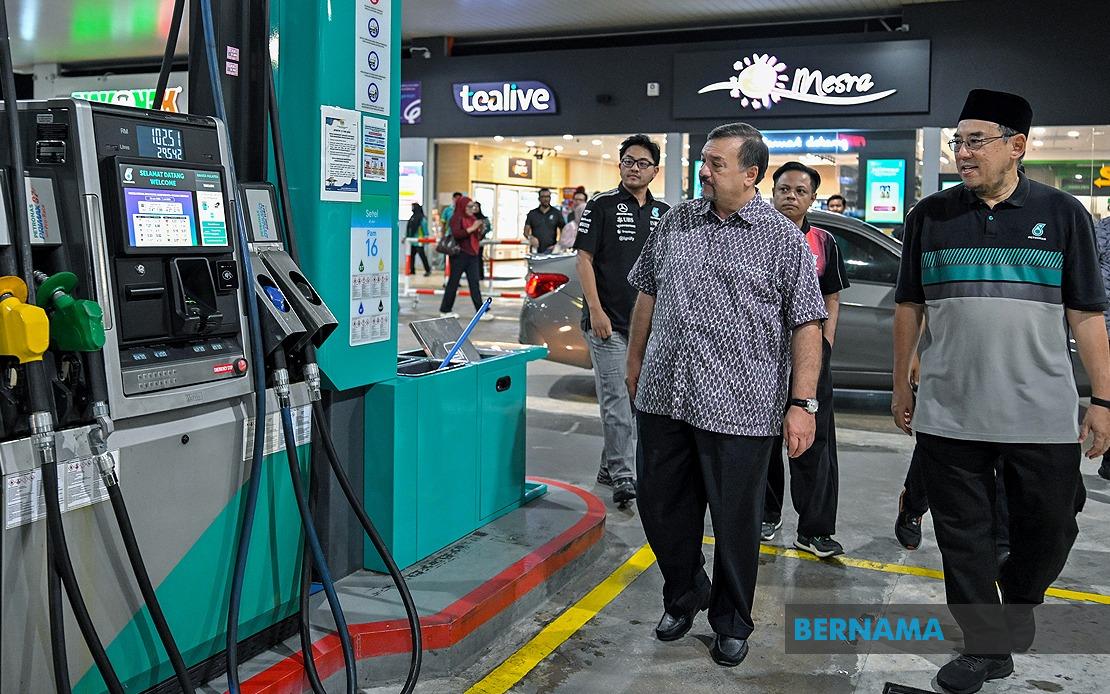
The government's rollout of the BUDI Diesel subsidy initiative has gained considerable momentum, with the official BUDI MADANI portal recording more than 18,000 applications for an extra 100 litres of subsidised diesel monthly by late June 28. Speaking after a site inspection at a Petronas service station along the NKVE Damansara route, Second Finance Minister Datuk Seri Amir Hamzah Azizan indicated that the scheme's early implementation phase, which commenced the previous day in Peninsular Malaysia, had proceeded without complications. The swift processing of applications underscores strong public interest in the programme, which targets owners of diesel-powered pickup trucks and sport utility vehicles seeking to stretch their fuel budgets against persistent cost-of-living pressures.
The volume of activity in the system's opening hours reflects both the financial appeal of the subsidy and the accessibility of the application process. Over 40,000 transactions have been processed since launch, a figure encompassing both new quota applications and existing user transactions, demonstrating substantial real-world utilisation. The Treasury secretary-general, Tan Sri Johan Mahmood Merican, accompanied the minister during his visit to assess operational readiness at the point of sale. This direct oversight signals official commitment to ensuring the programme functions smoothly during what remains a critical testing period before the July 1 formal commencement.
Applicants wishing to secure additional diesel allocations can submit requests directly through the BUDI MADANI online portal, which has been designed with accessibility in mind. For those encountering difficulties navigating the digital application process, the government has established multiple assistance channels. Officers stationed at Inland Revenue Board offices, Urban Transformation Centres, and service counters operated by petroleum companies stand ready to guide applicants through registration requirements. This multi-tiered support structure acknowledges that not all eligible vehicle owners possess equal digital literacy or access, particularly among rural and semi-urban populations who may benefit most from fuel cost relief.
A notable feature of the scheme involves quota transfer arrangements, addressing a practical reality of vehicle ownership and usage patterns. In households where the registered vehicle owner differs from the regular user, the programme permits the allocated subsidy to be reassigned to the actual operator. Applications for such transfers proceed through the same online portal, with approvals subsequently linking the quota to the designated user's identity card number. This flexibility prevents wastage of subsidies and ensures benefits flow to those genuinely incurring fuel expenses, addressing potential inefficiencies in less targeted approaches.
The mechanics of quota transfers rely on verification systems integrated with petrol station point-of-sale infrastructure. Once approved, the transferred quota becomes tagged to the new user's identification number rather than remaining tied solely to the vehicle. At service stations, the system automatically recognises whether a quota has been reassigned and processes transactions accordingly. Importantly, the transferred allocation remains connected to the specific vehicle and can only be utilised by the individual designated in the transfer approval, preventing diversion to unintended beneficiaries and maintaining programme integrity.
The pricing structure of the BUDI Diesel initiative reflects graduated subsidy deployment. During the early implementation phase, eligible users accessed subsidised diesel at RM2.15 per litre, a considerable reduction from prevailing market rates for motorists outside the scheme. From Wednesday onwards, the subsidised price declined further to RM2.10 per litre, providing additional relief as the programme moves toward full implementation. The flexible quota system permits participants to purchase up to 200 litres monthly at the subsidised rate, compared to the baseline 100-litre allocation, allowing vehicle owners managing higher mileage requirements to maximise potential savings.
Operational smoothness has characterised the launch period thus far, with no reported technical malfunctions affecting the BUDI MADANI portal or coordination with petroleum retailers. The absence of system glitches during high-volume early access represents vindication of the infrastructure planning and testing conducted before public rollout. Amir Hamzah's assurance that both the digital platform and petrol station operators have functioned without issue suggests that backend systems accommodating real-time quota verification and subsidy calculations have proven robust. For a programme of this scale and scope, initial operational success establishes confidence among participants and reduces friction in adoption.
The government's continued focus on programme stability through the July 1 formal launch reflects awareness that initial smoothness does not guarantee sustained performance as user volume expands. The period between early implementation and official commencement provides opportunity for identifying edge cases, resolving emerging technical challenges, and refining administrative processes. Maintaining transparent communication regarding application statuses and quota allocations will be essential for sustaining public confidence as the scheme scales beyond its current transaction levels.
For Malaysian vehicle owners, particularly those operating commercial pickup trucks and utility vehicles dependent on fuel cost management, the BUDI Diesel programme offers meaningful financial respite. The subsidy effectively reduces operating expenses for small businesses reliant on these vehicles, potentially supporting job creation and economic activity in transport-dependent sectors. The early surge in applications suggests that the target demographic recognises genuine value in the initiative, with 18,000 quota requests in forty-eight hours indicating widespread awareness and engagement.
Regionally, Malaysia's approach to targeted fuel subsidies under BUDI Madani contrasts with broader regional trends toward subsidy reduction. While neighbouring countries have progressively withdrawn blanket fuel supports, Malaysia's refined targeting mechanism attempts to preserve affordability protections for specific user categories whilst avoiding broader distortionary effects. The emphasis on quota transfers and digital verification reflects sophistication in subsidy design, prioritising efficiency over universality. As implementation progresses through July, the programme's effectiveness in balancing fiscal sustainability with cost-of-living relief will merit close observation by regional policymakers confronting similar pressures.

