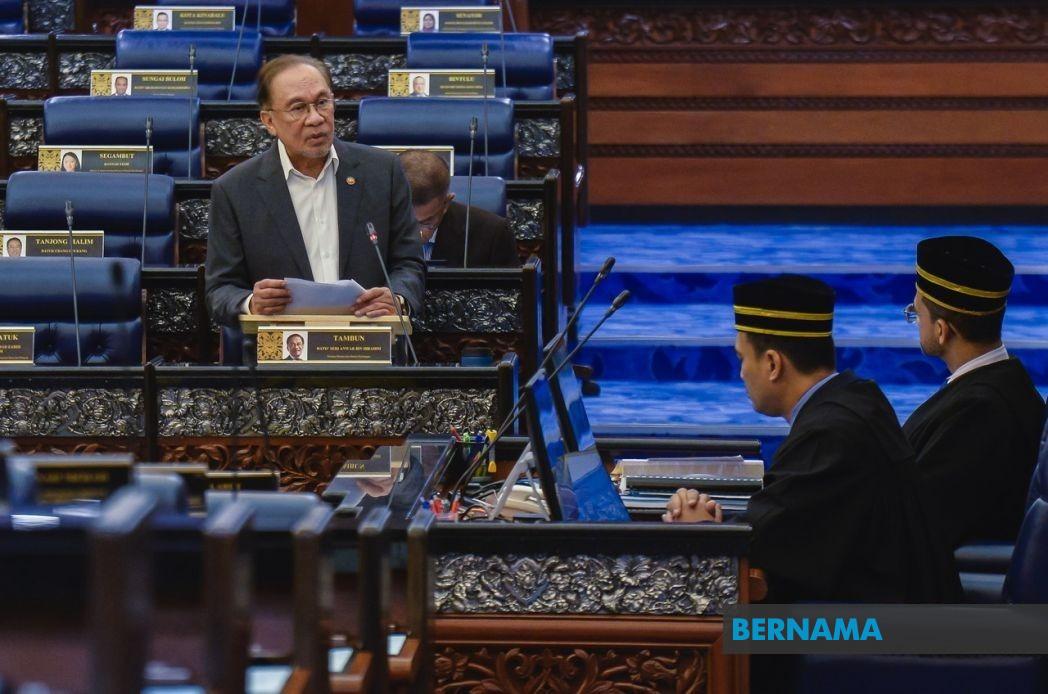
Prime Minister Datuk Seri Anwar Ibrahim has pledged that the government will seek detailed information and engage in substantive discussions with major oil companies regarding claims that petrol station operators suffered significant financial losses during the implementation of the country's restructured fuel subsidy framework. The announcement came during parliamentary question time, signalling the administration's willingness to address grievances raised by the retail petrol distribution sector.
Anwar, who doubles as Finance Minister, acknowledged the substantial cooperation demonstrated by oil companies and petrol station networks in facilitating the rollout of Malaysia's targeted RON95 petrol and diesel subsidy programme. This endorsement reflects the government's recognition that the successful execution of such a complex policy transition depends heavily on the buy-in and operational support of downstream fuel retailers. Without this partnership, the administration would have faced considerable implementation challenges in reaching millions of consumers across the peninsula and East Malaysia.
The issue was brought to parliament's attention by Ipoh Timur representative Howard Lee Chuan How, who highlighted specific claims that petrol station operators experienced losses ranging between RM40,000 and RM50,000 during the subsidy transition period. These figures, if accurate, would represent a substantial financial burden on individual station owners and operators, many of whom operate on relatively thin profit margins. The raise questioned whether the government had adequately compensated or supported retailers navigating the policy shift.
In response, Anwar indicated that he would engage Second Finance Minister Datuk Seri Amir Hamzah Azizan to conduct a thorough investigation into the matter. This delegation suggests the government is taking the concerns seriously enough to assign a senior ministerial figure to coordinate inquiries and negotiations. The Prime Minister's personal involvement in the parliamentary exchange underscores the political sensitivity surrounding the subsidy framework, which remains central to government economic policy and public welfare considerations.
The transition to a targeted subsidy system represented a significant departure from Malaysia's previous universal fuel subsidy approach. Rather than subsidising all consumers equally, the government implemented a mechanism designed to concentrate support on those with genuine financial need while allowing market forces greater influence on fuel pricing for higher-income earners. This shift, while economically rational, created operational complexities for petrol station operators who had to adjust inventory management, pricing systems, and customer verification procedures almost simultaneously.
Anwar's comments emphasise the government's confidence in the overall cooperation received from major oil corporations and retail networks. He framed potential losses or shortcomings not as indications of systemic failure, but rather as issues to be collectively addressed through dialogue and problem-solving. This collaborative tone suggests the administration views the fuel industry as a partner in policy implementation rather than an adversary, which may facilitate smoother resolution of compensation disputes if they are determined to be warranted.
The financial impact on petrol station operators has broader implications for Malaysia's energy retail landscape. Many independent petrol stations operate as family businesses or small enterprises with limited financial reserves to absorb sudden cost pressures. If operators indeed faced losses during the transition period, the longer-term viability of smaller stations could be jeopardised, potentially reducing competition in the downstream fuel market and concentrating distribution further in the hands of major oil companies. This outcome would be contrary to the government's presumed goal of maintaining a competitive, diverse retail fuel sector.
For Malaysian consumers, the resolution of this issue matters considerably. If petrol station operators remain financially stressed from previous policy transitions, they may face disincentives to maintain service quality, extend operating hours, or invest in facility improvements. The condition of Malaysia's petrol stations directly affects consumer experience and competition in the broader services sector, particularly in rural areas where independent operators may be the only available option.
The government's commitment to investigate also reflects broader economic management principles. Transitional costs for policy changes should ideally be managed transparently and fairly distributed across stakeholders. If certain groups bear disproportionate burdens without adequate acknowledgement or compensation, future policy transitions may encounter greater resistance and implementation difficulties. By addressing current grievances proactively, the administration strengthens the framework for future structural economic reforms.
Anwar's promise of further discussions indicates that government-oil company relations remain constructive despite the policy shifts of recent years. Malaysia's energy sector has experienced considerable regulatory and price framework changes, and maintaining collaborative relationships remains essential for implementing complex industrial policies. The second finance minister's likely involvement suggests the Treasury recognises this matter as having fiscal implications worth exploring at senior levels.
The outcome of these investigations will likely shape how the government manages future subsidy reforms or pricing mechanism adjustments. Clear acknowledgement of transition costs and transparent compensation mechanisms could build greater stakeholder confidence in policy announcements and reduce implementation friction. Conversely, if concerns are dismissed without proper investigation, future policy transitions could face heightened scrutiny and resistance from industry participants.
Moving forward, the government faces the challenge of balancing fiscal sustainability in fuel subsidy programmes with fair treatment of retail sector participants who facilitate policy implementation. The discussions initiated by Anwar's parliamentary response represent an opportunity to establish clearer protocols for managing stakeholder interests during significant economic policy transitions, potentially benefiting Malaysia's broader structural reform agenda.

