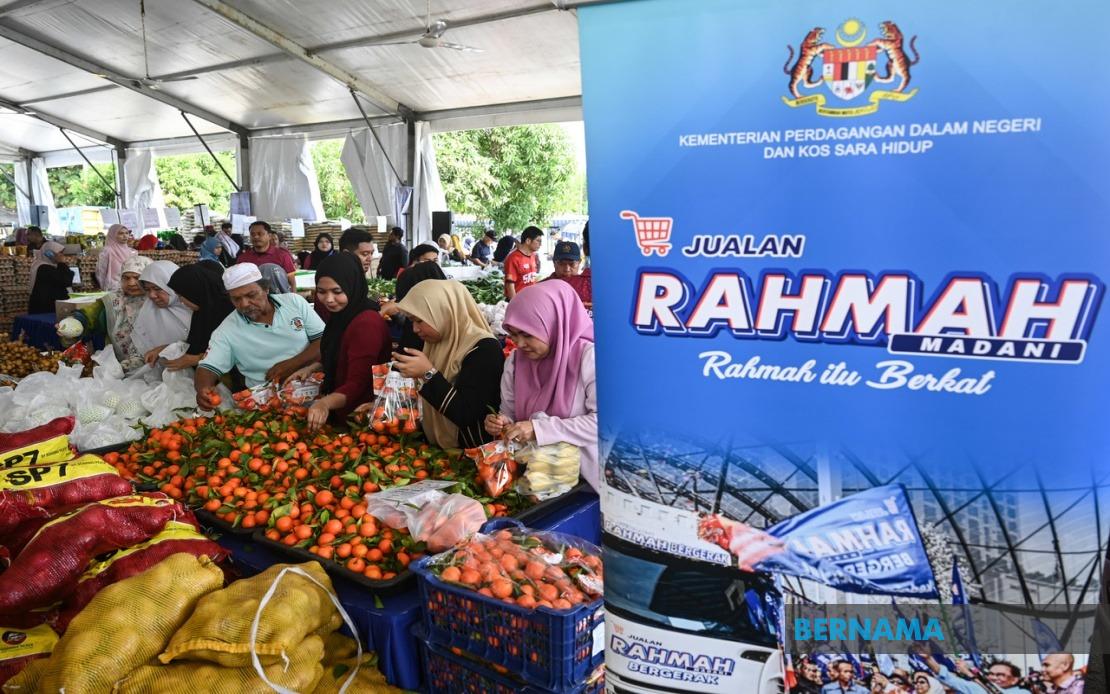
The Malaysian government is set to introduce a landmark digital shopping initiative designed to ease the financial burden on households across the nation. Prime Minister Datuk Seri Anwar Ibrahim unveiled plans for the Ihsan Rahmah 9.9 online sale, scheduled to commence on September 9 in observance of Malaysia Day 2026. The announcement was made during his address at the TikTok Shop Summit Malaysia in Kuala Lumpur, signalling the government's commitment to leveraging e-commerce platforms for wider consumer reach and accessibility.
This marks the first instance that the Ihsan Rahmah programme will be conducted entirely through digital channels, departing from its traditional physical retail format. By moving to an online platform, organisers anticipate substantially broader participation from Malaysians across different geographical locations, including those in rural and remote areas where conventional shopping options remain limited. The shift reflects a strategic acknowledgement that digital commerce has become integral to consumer behaviour in Malaysia, particularly following accelerated adoption during the pandemic era and the subsequent normalisation of online purchasing habits.
The Ihsan Rahmah initiative, administered by the Ministry of Domestic Trade and Cost of Living, has established itself as a cornerstone of the government's cost-of-living assistance strategies. Participating products typically include essential household items, food staples, and personal care goods offered at discounts ranging from 10 to 30 percent below prevailing market prices. The pricing structure is deliberately calibrated to provide meaningful savings without undermining retailers' commercial viability, striking a balance between consumer welfare and economic sustainability. Previous iterations of the programme have demonstrated substantial uptake, with merchants and suppliers recognising the opportunity to increase sales volume through temporary margin adjustments.
Anwar framed the initiative as part of a comprehensive social support framework encompassing the nation's entire population of 34.5 million citizens. He emphasised that robust economic expansion alone cannot address the multifaceted challenges confronting ordinary Malaysians, particularly those struggling with inflationary pressures and stagnant wages. The government, he indicated, must couple positive macroeconomic indicators with tangible interventions that directly improve household purchasing power and quality of life. This perspective reflects a broader policy direction emphasising inclusive growth that benefits citizens across income strata rather than concentrating benefits among wealthier segments.
The Prime Minister articulated that supporting the initiative's promotion and visibility represents a shared responsibility across government agencies, the private sector, and community organisations. Officials from multiple ministries attended the announcement, including Communications Minister Datuk Seri Fahmi Fadzil, Entrepreneur and Cooperative Development Minister Steven Sim Chee Keong, and Domestic Trade and Cost of Living Minister Datuk Armizan Mohd Ali. This coordinated ministerial presence underscores the cross-cutting nature of cost-of-living interventions, which simultaneously touch upon domestic commerce, entrepreneurship, digital infrastructure, and consumer protection concerns.
The selection of September 9 deliberately aligns the shopping event with Malaysia Day, a date of national significance commemorating the formation of Malaysia in 1963. This temporal positioning imbues the commercial initiative with patriotic symbolism, framing consumer support as a manifestation of national solidarity and collective responsibility. Such symbolic linkages can reinforce public perception that government assistance programmes reflect genuine commitment to citizen welfare rather than mere technocratic exercises. The patriotic framing may also encourage broader participation, as Malaysians associate the occasion with national pride and communal identity.
The adoption of e-commerce platforms for this programme carries implications extending beyond immediate consumer savings. It represents a deliberate strategy to strengthen digital economic infrastructure and normalise online shopping among demographics traditionally reliant on physical retail environments. Elderly citizens, lower-income households, and individuals in underserved regions may develop increased confidence in digital transactions through participation in a government-endorsed online sale. Such confidence-building exercises contribute incrementally to the broader digital transformation agenda that successive Malaysian governments have prioritised as essential for economic competitiveness.
From a retail perspective, the online format enables participating merchants to consolidate their customer bases and gather valuable data on purchasing patterns and price sensitivity. Small and medium enterprises that participate gain exposure to consumers they might not otherwise reach, potentially establishing longer-term commercial relationships that extend beyond the promotional period. The Ministry of Domestic Trade and Cost of Living can leverage sales data to inform future policies regarding price controls, subsidy mechanisms, and market monitoring systems, creating a feedback loop that enhances evidence-based policymaking.
The government's articulation that improved living standards encompass education, healthcare, basic infrastructure, and cost-of-living dimensions reflects a holistic conception of citizen welfare. While the Ihsan Rahmah sale specifically targets affordability in consumer goods, Anwar contextualised this intervention within a broader policy framework. This broader framing acknowledges that sustainable improvements in living standards require simultaneous attention to structural factors including education quality, healthcare accessibility, and infrastructure investment. Cost-of-living assistance programmes serve as essential immediate relief mechanisms while longer-term structural reforms gradually enhance citizens' economic resilience and opportunities.
For Malaysian consumers, the September 9 launch presents a practical opportunity to acquire essential items at substantial discounts, with the added convenience of shopping from home. This timing also provides households advance notice to plan purchases and coordinate with family members. The one-day promotional structure creates urgency that historically drives high transaction volumes, potentially straining digital infrastructure and logistics networks. Government and platform operators will need to ensure technological robustness to prevent system failures during peak demand periods, as negative experiences with technical glitches can undermine confidence in future digital government initiatives.
Regional observers will monitor this initiative's implementation as a case study in leveraging e-commerce for social policy objectives. Southeast Asian governments increasingly recognise that digital platforms offer unprecedented capacity to reach dispersed populations with targeted assistance programmes. Malaysia's experience with the Ihsan Rahmah 9.9 online sale will provide valuable insights regarding logistical coordination, consumer engagement, and policy effectiveness that may inform similar initiatives throughout the region. The success or challenges encountered could shape future discussions among ASEAN nations regarding the role of digital commerce in social protection strategies.

