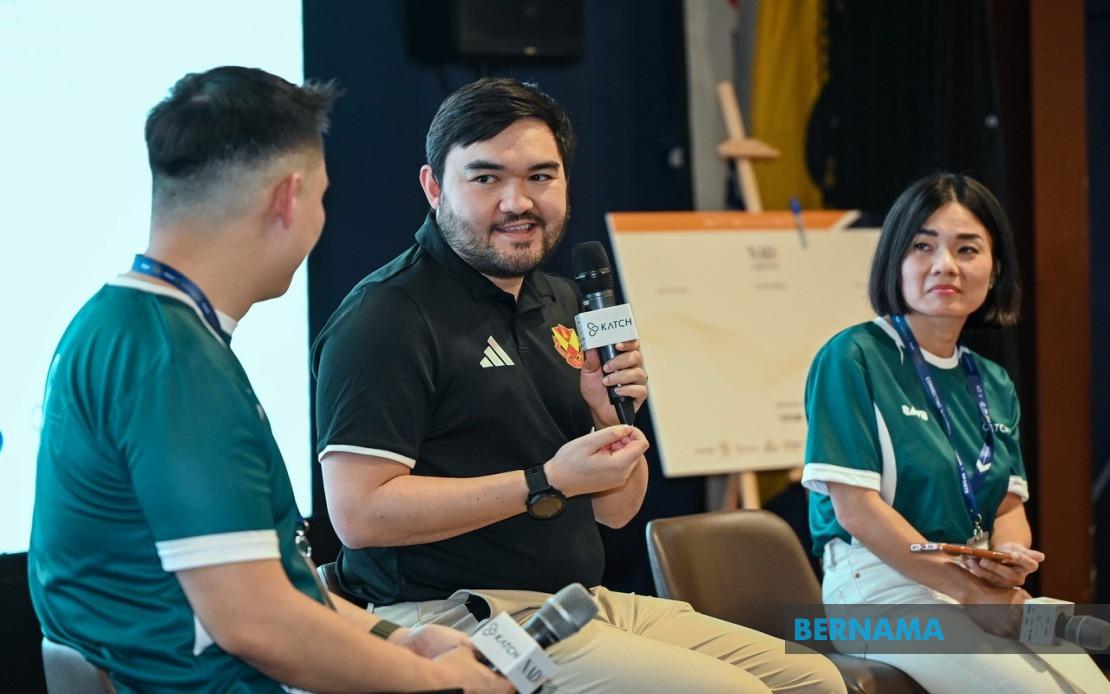
Selangor's commanding performance at the Malaysia Games (SUKMA) 2026, where the state won 101 gold medals alongside 73 silver and 71 bronze to claim the overall championship title, has catalysed calls for a systematic overhaul of how the nation develops its young sporting talent from the community level upwards. Raja Muda Tengku Amir Shah Sultan Sharafuddin Idris Shah, speaking at the NADI Connecting Wellness, Fitness and Sports With RMS event in Petaling Jaya on August 27, positioned grassroots infrastructure as the critical foundation required to sustain and build upon Selangor's recent success, warning that without consistent competitive platforms, athletic momentum will inevitably fade.
The royal advocate for youth sports development has long maintained that regular participation opportunities represent far more than mere recreational outlets for young people. Rather, he framed structured competition at the community level as essential psychological training, where athletes develop not only technical proficiency but the competitive discipline and goal-oriented mentality necessary for elite performance. Speaking during the wellness event, Tengku Amir Shah articulated his vision with particular clarity: weekend competitions compel athletes to train purposefully throughout the week, transforming casual participation into systematic skill development and instilling the winning mindset that ultimately determines success across all sporting disciplines.
Drawing from his own experience in sports administration, Tengku Amir Shah highlighted the Selangor Champions League as a practical demonstration of how community-level initiatives can identify talent while simultaneously elevating competitive standards. The league, which he established to bring together active social football teams across Selangor on a structured competitive platform, exemplified his conviction that accessible grassroots competitions serve a dual function: they provide ordinary youth with meaningful competition while creating a natural filtration system through which exceptional talent emerges. This model, he suggested, warranted broader application across other sports gaining popularity among Malaysian communities, particularly emerging disciplines like pickleball and the intellectually demanding game of chess.
The selection of particular sports for inclusion in Selangor's SUKMA 2026 programme demonstrated strategic thinking about athletic diversity and opportunity, according to the Raja Muda's assessment. By expanding the competitive slate, organisers provided young athletes with multiple pathways to demonstrate their capabilities, sportsmanship and competitive spirit across varied disciplines rather than concentrating opportunities in traditional sporting strongholds. This inclusive approach, he suggested, reflects sophisticated understanding of how competitive platforms must evolve to engage younger generations whose sporting interests and preferences differ from those of previous decades.
Tengku Amir Shah's personal journey illustrates the organic progression from community sports involvement to deeper institutional engagement. His longstanding commitment to grassroots athletic development, initially pursued through his association with the Selangor Youth Community, subsequently evolved into more formal roles including significant involvement with the Football Association of Selangor (FAS). This trajectory underscores a broader principle he evidently embraces: authentic sports leadership emerges from understanding the foundational level where most athletes begin their journeys, rather than descending from purely administrative heights divorced from community realities.
The implications of his advocacy extend considerably beyond Selangor's borders, resonating across Southeast Asia's broader sporting ecosystem. Malaysia's competitive position in regional sports depends substantially on whether systematic talent identification and development occurs at scale, rather than concentrating resources among elite athletes already approaching peak performance. Nations that fail to invest consistently in grassroots infrastructure inevitably experience talent bottlenecks, as promising young athletes drop out of sport due to insufficient competitive opportunities or training pathways. Conversely, robust community competition systems create a wide funnel through which exceptional talent continuously flows toward higher competitive levels.
The timing of these calls for grassroots expansion proves particularly significant given Malaysia's ongoing efforts to enhance international sporting competitiveness while simultaneously promoting health and wellness across the broader population. Weekend competitions, properly structured and accessible to community participants across socioeconomic backgrounds, achieve multiple policy objectives simultaneously: they develop potential national champions, promote active lifestyles among youth, strengthen community bonds through shared sporting enthusiasm, and create sustainable athletic cultures that persist beyond individual tournament cycles. This multidimensional benefit explains why the Raja Muda positioned grassroots development as national infrastructure rather than mere recreational activity.
The NADI event that hosted these discussions brought together fifty wellness, fitness and sports leaders to establish shared vision and strengthen connections across the sector. Such convening of stakeholder voices proves essential for transforming aspirational calls into operational reality, as grassroots sports expansion requires coordinated effort across multiple institutions including schools, municipal authorities, sporting associations and community organisations. Without genuine collaboration among these entities, exhortations toward improved grassroots development risk remaining rhetorical rather than resulting in concrete programme expansion and sustainable funding commitments.
Tengku Amir Shah's insistence on regular weekly competitions reflects sophisticated understanding of athletic psychology and developmental science. Young athletes require frequent opportunities to apply training within competitive contexts, thereby progressively raising their performance thresholds while building psychological resilience essential for elite sport. The training mindset he emphasises—where athletes understand that weekly training directly prepares them for weekend competition—transforms practice from abstract repetition into purposeful skill development, fundamentally altering motivation and engagement levels. This psychological transformation, multiplied across hundreds or thousands of young athletes engaging in systematic grassroots competition, represents the true multiplier effect through which national sporting capability expands.
Looking forward, the challenge for Malaysian sports administrators involves translating these strategic insights into sustainable institutional frameworks and adequate resource allocation. Creating the infrastructure for regular community-level competitions across multiple sports and geographic regions demands investment in facilities, coaching expertise, administrative capacity and competition coordination. These requirements exceed what voluntary community effort alone can sustain, necessitating genuine public sector commitment alongside private sector sponsorship and civil society participation. Selangor's SUKMA success, while impressive as a competitive achievement, ultimately gains its greatest significance as a reminder that sustained athletic excellence flows from pyramids built carefully from foundational levels upward, requiring patience and consistent investment in young people who may not achieve elite status but nonetheless deserve opportunities to discover their sporting potential.

