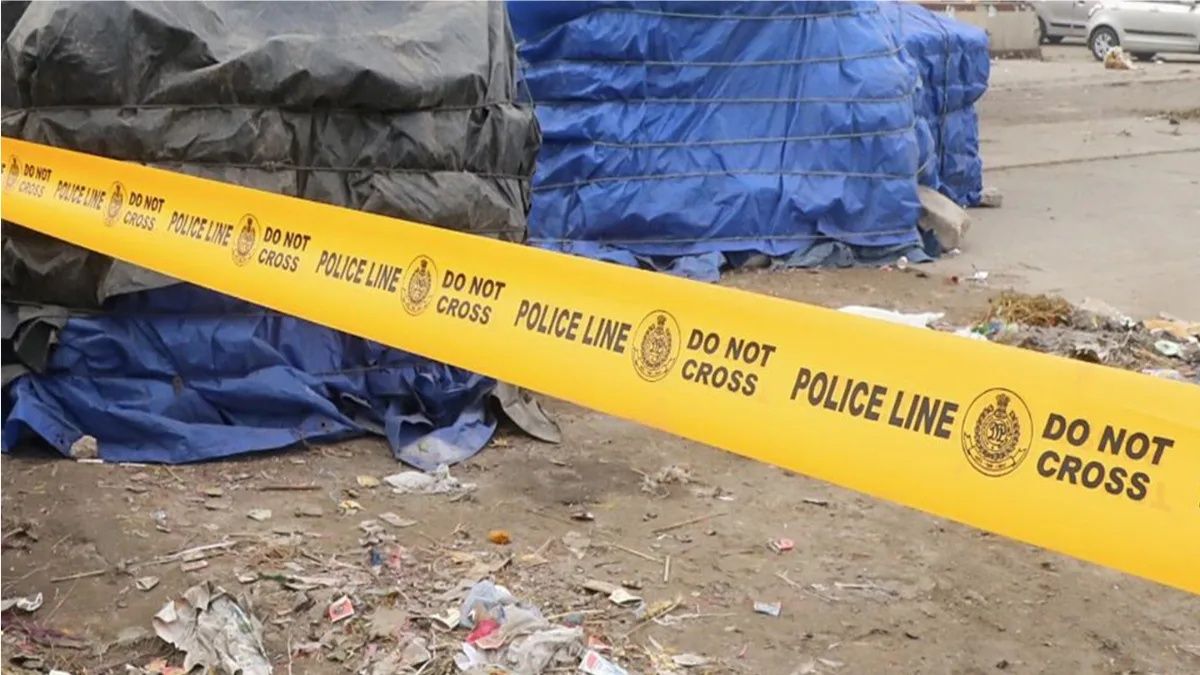
A horrific crime in the Baruipur area of West Bengal's South 24 Parganas district has erupted into communal chaos, exposing the explosive intersection between genuine public anguish and the dangers of extrajudicial violence. The discovery on Sunday of a young girl's body in a pond near her home in Suryapur ignited protests that paralysed the region for hours, with furious residents blocking rail and road networks while police struggled to contain the escalating situation.
The victim, just 12 years old, had left her residence on Saturday evening with what witnesses described as an ordinary errand—purchasing food from a nearby shop. She never returned. When her terrified family launched an overnight search, their worst fears were confirmed: her body was discovered floating in a pond adjacent to her home, having been stuffed inside a sack. According to family members, they believe four individuals forcibly abducted her before the assault and murder occurred.
The recovery of the corpse catalysed an immediate and intense public response. Hundreds of villagers converged on the discovery site, their collective grief and rage manifesting in prolonged blockades that choked the region. For nearly five hours, roads remained sealed off by protesters who also occupied railway tracks at Suryapur station on the Sealdah-Namkhana section, disrupting train services for approximately an hour. Residents torched tyres, vandalised vehicles, and physically prevented police from removing the body for several hours, their actions reflecting a community's sense of violated safety and failed protection.
Amidst this charged atmosphere, a young man became the focal point of community suspicion and vengeance. Villagers claimed he had been spotted associating with some of the suspected perpetrators, and this alleged connection was deemed sufficient grounds for mob justice. He was beaten to death by the angry crowd in what police characterised as a lynching. Officers who rushed to intervene faced fierce resistance from the assembled masses, resulting in injuries to several personnel, including one officer who required hospitalisation. The confrontation deteriorated as protesters hurled stones at law enforcement and damaged multiple vehicles, transforming what began as a cry for justice into scenes of widespread lawlessness.
Police operations eventually stabilised the situation through deployment of substantial personnel reinforcements and assistance from central security forces. Two suspects have been arrested in connection with the murder, while a third individual was initially apprehended by local residents before being transferred to formal police custody. The Inspector General of Police for the Presidency Range, Kankar Prasad Barui, visited Baruipur to reassure residents and appeal for calm through public address systems, pledging that no perpetrator would escape prosecution or the maximum available punishment under law.
The tragedy quickly attracted attention from West Bengal's political establishment. Chief Minister Suvendu Adhikari telephoned the victim's father to convey assurances of the strongest possible legal consequences for the accused. The gesture extended further when Adhikari invited the bereaved parent to meet at Nabanna, the state secretariat, on Tuesday to discuss the case and offer government assistance. Such interventions, while symbolically important, reflect the volatility of the political environment surrounding crime against children in the state.
The case exposes a troubling pattern emerging across South Asia: the collision between legitimate demands for justice and the anarchic resort to mob violence when public confidence in institutional mechanisms falters. While the girl's murder represents an unconscionable act of predation against a child, the subsequent lynching underscores how communities perceiving systemic failure may adopt extrajudicial remedies, creating dangerous precedents and secondary victims. The young man allegedly beaten to death had not been formally charged or convicted; his death represents vigilante justice operating outside any framework of due process.
For Malaysian observers, the Baruipur incident carries sobering implications about the fragility of social order when serious crimes remain unresolved or inadequately investigated. The incident also highlights how mob violence, once unleashed, becomes difficult to control even with police presence. The fact that law enforcement personnel sustained injuries while attempting rescue operations demonstrates the vulnerability of officials attempting to uphold rule of law against collective anger.
The girl's body was transported to Baruipur Sub-Divisional Hospital for post-mortem examination under proper legal procedures, as assured by police. Investigation into the murder circumstances continues, with particular attention to the suspected perpetrators' identities and their alleged involvement. Security deployments across the affected locality have been intensified to forestall further violent outbreaks as the case progresses through judicial channels.
This tragedy also raises uncomfortable questions about child safety infrastructure in rural and semi-urban Indian communities, where protective mechanisms remain inadequate. The circumstances permitting the abduction of a child from a familiar neighbourhood, and the community's apparent lack of immediate knowledge about her whereabouts or fate, suggest broader systemic gaps in social oversight and emergency response capability. Beyond the immediate criminal investigation and the political responses, sustained attention to institutional reforms and accountability mechanisms will prove essential for preventing similar horrors.
The restoration of normalcy in Baruipur, with road and rail services resuming by afternoon, represents only the surface resumption of order. The deeper fractures—between community and police, between justice institutions and public confidence, between collective grief and anarchic response—remain unhealed. How West Bengal's authorities now navigate the investigation, prosecution, and prevention of future crimes will significantly influence whether such incidents catalyse meaningful systemic change or merely repeat cycles of outrage and extrajudicial violence.

