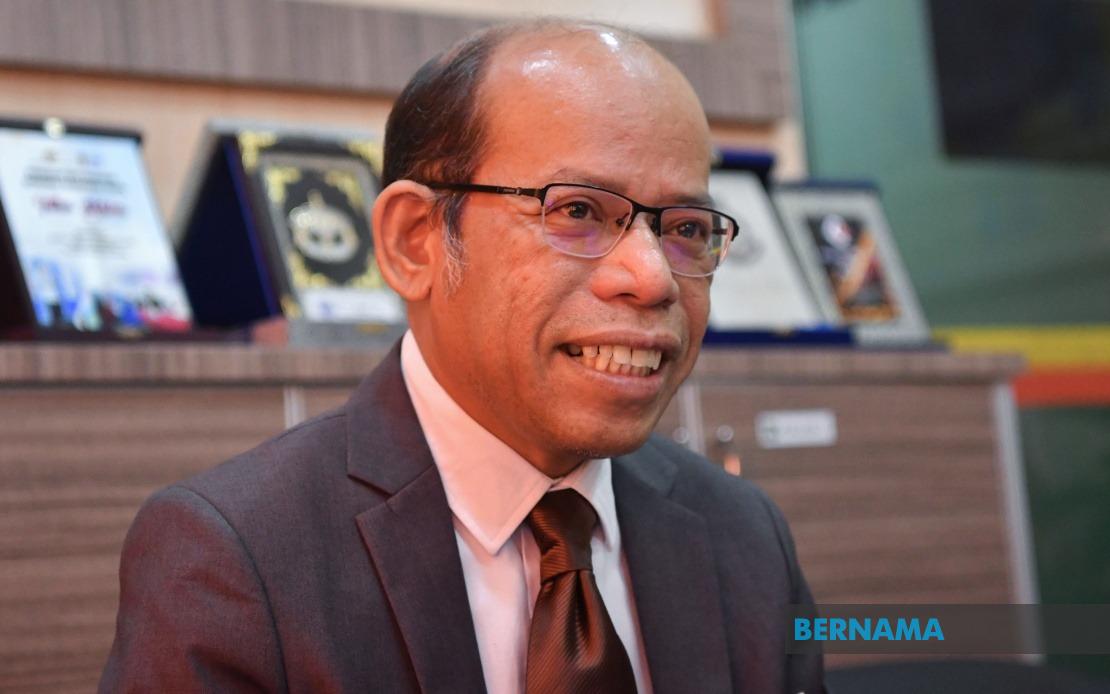
The Gua Musang District Council (MDGM) has identified a pressing need for substantial investment to elevate Bandar Lama into a destination of regional tourist significance. According to MDGM president Mohd Roshdi Ismail, the council requires an allocation approaching RM1 million to facilitate the restoration and strategic redevelopment of several key sites within the historic township, each holding considerable potential to attract international visitors seeking authentic cultural and historical experiences.
Bandar Lama's appeal rests on a distinctive combination of geographical and historical attributes that distinguish it from other townships in the district. The area is characterised by its dramatic setting amongst surrounding hills and possesses multiple layers of historical intrigue, particularly its limestone cave formations and heritage sites connected to Malaysia's communist insurgency period. This convergence of natural beauty and layered history creates genuine opportunities for experiential tourism, provided adequate resources are dedicated to proper development and presentation.
Among the priority locations identified for upgrade is the disused railway station situated at the foothills, a structure laden with historical weight given its close association with communist-era attacks during the Emergency period. Nearby, within the Masjid Razaleigh area, lies another poignant heritage site—the grave of a woman killed by communist insurgents while pregnant. These sites represent tangible connections to a critical chapter in Malaysia's nation-building narrative, and their preservation and interpretation could offer visitors meaningful insights into the country's struggle for independence and stability.
Mohd Roshdi outlined that the initial development framework necessitates the nearly RM1 million allocation to commence a comprehensive programme of improvements across identified locations. However, recognising the complexity of securing public funding for local development projects, the council is proactively exploring partnerships with relevant government agencies to champion the Bandar Lama initiative and unlock additional resources. This collaborative approach reflects practical awareness that district councils often lack sufficient standalone budgets to undertake major infrastructural improvements without higher-level governmental support.
The council's engagement strategy includes collaboration with Majlis Amanah Rakyat (MARA), the government agency tasked with promoting indigenous enterprise and economic development. Through such partnerships, MDGM aims to conduct detailed assessments of infrastructure requirements, visitor facilities, and commercial opportunities within Bandar Lama. MARA's involvement could potentially unlock funding mechanisms and development expertise while aligning the tourism initiative with broader national economic objectives centred on inclusive development and bumiputera participation.
For Kelantan state and the East Coast region more broadly, the development of Bandar Lama represents a strategic opportunity to diversify the tourism product beyond conventional offerings. Heritage tourism, particularly when anchored to significant historical events, increasingly attracts visitors willing to travel to secondary locations to gain deeper cultural understanding. The Emergency period remains inadequately represented in Malaysia's tourism infrastructure, despite its fundamental importance to national identity. Bandar Lama could help address this gap while generating economic activity in a district that would benefit from enhanced visitor spending.
The potential economic benefits extend beyond tourism revenue alone. Enhanced visitor traffic would naturally support local hospitality businesses, food vendors, transport services, and retail establishments. Local youth employment opportunities could emerge through guide positions, hospitality roles, and artisan enterprises. Furthermore, improved infrastructure developed for tourism purposes—better roads, signage, facilities—would provide spillover benefits for resident communities and local commerce even outside the tourism sector.
However, realising this vision requires not merely financial allocation but also strategic planning regarding visitor experience, cultural sensitivity, and community engagement. Sites connected to the communist insurgency and associated violence carry emotional weight for Malaysians whose families were affected. Appropriate interpretation frameworks must balance historical accuracy with respect for those who suffered loss, ensuring that heritage development becomes a means of meaningful remembrance rather than exploitation of tragedy.
The timing of this initiative is noteworthy given broader Malaysian emphasis on domestic tourism recovery following the pandemic period and growing recognition that secondary cities and heritage towns represent untapped potential within the national tourism economy. Other district councils throughout Malaysia face similar challenges in accessing development capital. Successful realisation of the Bandar Lama project could establish a replicable model for heritage tourism development in under-resourced local government areas, potentially influencing how federal authorities approach funding mechanisms for district-level infrastructure.
Mohd Roshdi's statement indicates that the council has already conducted preliminary assessments identifying high-potential development sites, suggesting the groundwork for a more detailed proposal is underway. The challenge now lies in translating this preliminary vision into a formal project proposal that meets government evaluation criteria and competes successfully for limited development allocations. Given the confluence of natural attractions, historical significance, and economic potential, Bandar Lama appears to possess the fundamental ingredients for successful heritage tourism development—provided adequate resources and professional project management can be secured to bring the concept to fruition.

