Guinea-Bissau became the latest African nation to register a confirmed mpox infection when health officials announced the detection of the viral disease in a 27-year-old female patient on Saturday evening. The case marks a significant development in the evolving epidemiological situation across West Africa and underscores the region's ongoing vulnerability to infectious disease outbreaks. Public Health Minister Quinhin Nantote disclosed the finding at a press conference, emphasizing the government's commitment to containing the spread through coordinated public health interventions.
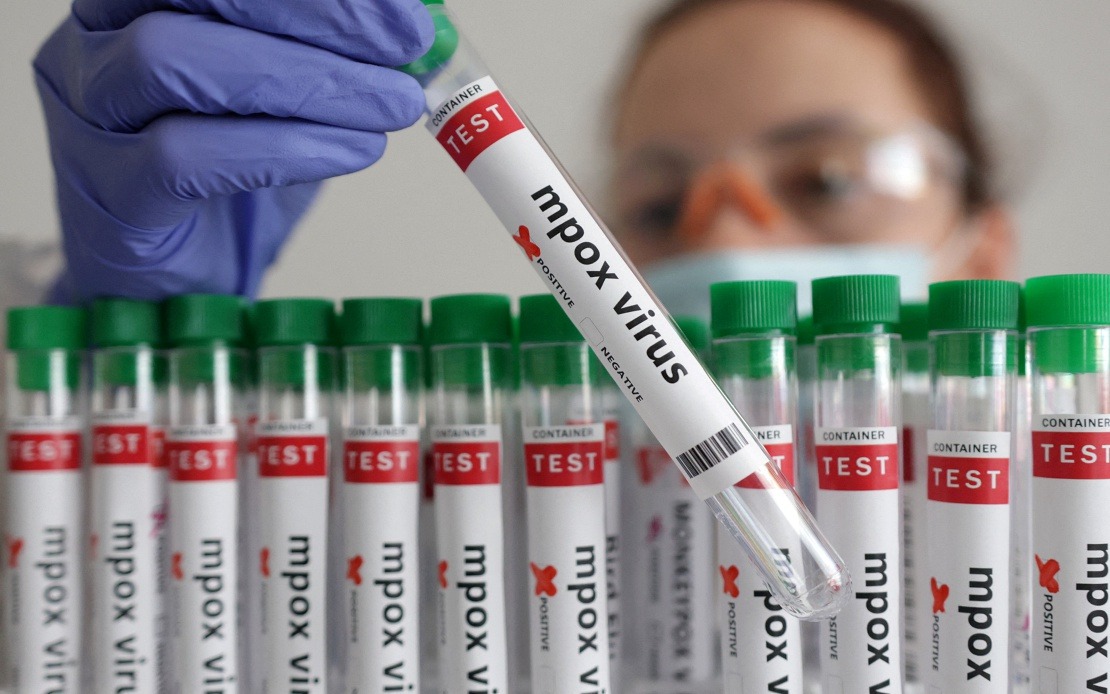
The patient initially presented to a healthcare facility on June 24 seeking medical treatment for symptoms consistent with mpox infection. Clinical staff collected tissue samples from characteristic skin lesions that appeared on the individual and forwarded these specimens to Guinea-Bissau's National Institute of Public Health for diagnostic analysis. The initial laboratory examination detected genetic material belonging to the mpox virus, triggering a protocol of confirmation through an international reference facility to ensure diagnostic accuracy and eliminate the possibility of false positive results.
To validate the findings and meet international standards for disease reporting, the samples were transmitted to the Institut Pasteur in Dakar, Senegal, one of West Africa's premier infectious disease research institutions. The Senegalese laboratory independently confirmed the presence of mpox virus in the submitted specimens, removing any diagnostic uncertainty and formally establishing Guinea-Bissau's first documented case of the disease. This confirmation process, while adding temporal delay, ensures that responses are based on reliable evidence and strengthens the credibility of the national health system's reporting.
Following official confirmation, Guinea-Bissau's public health apparatus implemented comprehensive disease management protocols aligned with the International Health Regulations framework established by the World Health Organisation. These activation measures encompass systematic epidemiological investigations designed to identify all individuals who may have had close contact with the confirmed patient during the infectious period. Contact tracing represents a cornerstone of mpox containment strategy, as the disease's transmission relies on direct exposure to infected persons or contaminated materials rather than casual interaction.
The health ministry simultaneously strengthened surveillance infrastructure throughout the country, directing particular attention toward border checkpoints where the risk of international transmission poses a concern to neighbouring nations. This heightened monitoring allows early detection of additional cases and enables rapid response before community spread becomes established. Minister Nantote issued public health guidance recommending standard preventive measures that populations can implement to reduce transmission risk, including rigorous hand hygiene practices, maintenance of physical distance from symptomatic individuals, and avoidance of contact with people presenting with fever or characteristic rash lesions.
Mpox transmission occurs through multiple pathways, making comprehensive prevention essential across diverse settings. The virus spreads through direct contact with body fluids from infected individuals, via respiratory droplets expelled during close contact, and through contaminated objects that carry viable viral particles. The disease typically manifests with a clinical presentation including elevated body temperature, myalgia affecting large muscle groups, the appearance of fluid-filled skin lesions in successive waves, and enlargement of lymph nodes. Symptoms generally emerge between seven and twenty-one days after exposure to infected material, creating a window for identification and isolation of cases before transmission to others.
For Malaysia and Southeast Asian nations, Guinea-Bissau's case serves as a reminder of the interconnected nature of global infectious disease risks. Although mpox remains primarily endemic in Central African nations and has not become established in Southeast Asia, the disease's capacity for international travel via infected persons demands sustained vigilance from regional health authorities. Malaysian health agencies monitor global mpox developments closely and maintain pandemic preparedness measures refined through experience with COVID-19, enabling rapid response should cases emerge locally or in neighbouring countries.
The West African regional context presents particular concern given Guinea-Bissau's geographic proximity to other countries with limited healthcare infrastructure and ongoing transmission of mpox. The confirmation in Guinea-Bissau follows detections in other African nations and underscores the continent's disproportionate burden from this emerging infectious disease. International cooperation on disease surveillance, laboratory capacity building, and vaccine distribution remains essential to preventing the establishment of sustained mpox transmission chains across vulnerable populations.
Guinea-Bissau's response demonstrates the importance of functional disease surveillance systems capable of rapid case identification and confirmation. The country's ability to detect the infection through healthcare facility reporting and access to reference laboratory confirmation reflects investments in public health infrastructure, though many low-income nations lack equivalent capacity. Regional cooperation mechanisms, including support from international partners and established reference laboratories such as Institut Pasteur in Dakar, enable even resource-constrained countries to maintain diagnostic capability and contribute to continental disease monitoring.
The activation of national response mechanisms in Guinea-Bissau represents a template for other vulnerable nations managing mpox detection. Systematic contact identification, ongoing surveillance, community communication about preventive measures, and coordination with international health partners form the essential components of effective outbreak control. As the global mpox situation continues to evolve with occasional emergence of new cases in previously unaffected regions, the Guinea-Bissau case reinforces the need for sustained preparedness and the critical role of early detection in preventing wider dissemination of the virus.

