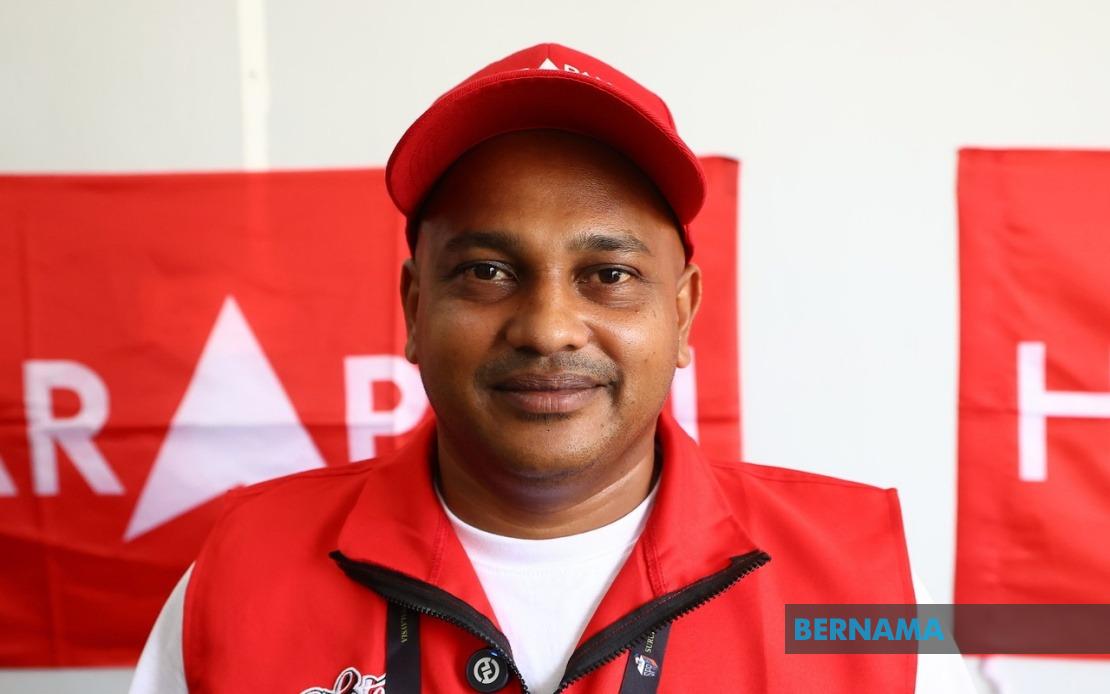
Guna Balakrishnan, the Pakatan Harapan candidate contesting the Layang-Layang state seat in the upcoming Johor election, has committed to tackling four core issues identified as priorities by local residents if he wins the constituency. Speaking at the PH operations centre in Kluang, the candidate detailed a focused agenda that reflects the rural and agricultural character of the 25,181-voter constituency, promising measurable progress within his first 100 days in office.
The four pillars of his campaign platform directly address concerns raised throughout his grassroots engagement in the area. Improving street lighting emerged as the most pressing infrastructure challenge, with Guna targeting resolution of between 50 and 60 per cent of outstanding complaints in his initial three months. This approach suggests a realistic acknowledgment that comprehensive fixes to all lighting deficiencies may require longer timeframes, yet demonstrates commitment to visible early wins that build public confidence.
Digital connectivity represents the second priority, with Guna expressing confidence that this objective can be substantially achieved within the 100-day window. His assertion rests on existing infrastructure already in place, requiring only the installation of additional transmitters in underserved areas rather than wholesale network overhaul. This is significant for Layang-Layang residents, as inadequate internet and telecommunications coverage has constrained educational opportunities, business development, and access to government services in rural Johor constituencies. The feasibility of this pledge suggests technical groundwork has preceded the campaign.
Wildlife encroachment poses an ongoing challenge for agricultural communities across Johor's rural interior, and Guna has identified this as warranting immediate administrative attention. The problem reflects broader environmental pressures as habitat loss pushes animals into cultivated areas, creating safety risks and crop damage for farmers. By elevating this issue to his priority list, the candidate acknowledges the lived experience of constituents whose livelihoods depend on livestock and cultivation.
The fourth commitment addresses organised theft targeting oil palm plantations, a persistent rural security issue affecting smallholders and estate workers throughout the region. Coordinated fruit theft represents both direct economic loss and a symptom of inadequate law enforcement presence in peripheral agricultural zones. Guna's pledge to tackle this through enhanced oversight suggests coordination with relevant authorities to increase patrol presence and investigation capacity.
Beyond these immediate priorities, Guna's broader manifesto encompasses longer-term development goals reflecting a more comprehensive vision for the constituency. Flood mitigation ranks prominently, acknowledging that Johor's monsoon seasons create vulnerability for communities lacking proper drainage infrastructure. The candidate's commitment to road infrastructure upgrades speaks to connectivity challenges that limit market access for agricultural producers and restrict economic mobility for residents seeking opportunities beyond the constituency.
The manifesto extends beyond physical infrastructure to human capital initiatives. Support for women's entrepreneurship programmes recognises that rural economic diversification increasingly depends on female business participation, particularly in value-added agricultural production and small-scale commerce. This reflects growing recognition across Malaysian political discourse of gender-inclusive economic development as essential for rural prosperity.
Expansion of Technical and Vocational Education and Training opportunities targets the perennial challenge of youth retention in rural areas. Young people in Layang-Layang currently face limited pathways to skilled employment without relocating to urban centres, creating demographic drain and social costs. TVET expansion can provide locally relevant qualifications in agricultural technology, automotive services, hospitality, and construction trades that generate sustainable livelihoods.
The commitment to establish a senior citizen activity centre reflects recognition that rural ageing populations require dedicated social infrastructure. Beyond welfare provision, such facilities serve crucial functions in maintaining social cohesion and mental health outcomes for older residents who may face isolation in dispersed rural settlements.
The three-way contest in Layang-Layang pits Guna against Barisan Nasional's Chua Jian Boon and incumbent Abd Mutalip Abd Rahim representing Perikatan Nasional. This configuration reflects broader Johor political fragmentation, with traditional BN dominance challenged by both Pakatan Harapan's revival and Perikatan Nasional's appeal to different voter coalitions. The constituency composition and voter demographics will determine whether rural service delivery promises carry sufficient electoral weight to overcome established political allegiances.
With the Johor state election scheduled for July 11 and early voting on July 7, the campaign timeline compresses opportunity for meaningful dialogue with constituents. Guna's decision to articulate specific, measurable commitments with defined timeframes represents a strategic differentiation from more abstract policy rhetoric. Whether his 100-day plan resonates depends partly on whether voters perceive these pledges as reflecting genuine understanding of constituency needs or as standard campaign positioning.
The intersection of infrastructure, agricultural support, and social welfare in his platform reflects the complex development requirements of rural Johor constituencies navigating the transition from primary-sector dependence toward more diversified economies. Success in translating campaign promises into tangible improvements would establish a template increasingly relevant across Southeast Asian rural politics, where similar connectivity, security, and service delivery challenges affect voter sentiment across multiple countries.
The election outcome will reveal whether Layang-Layang voters prioritise continuity with the incumbent administration, traditional opposition representation, or fresh momentum from the Pakatan Harapan candidate. Guna's specificity regarding implementation timelines and measurable targets distinguishes his approach from competitors, potentially appealing to constituents fatigued by unfulfilled promises in previous election cycles.

