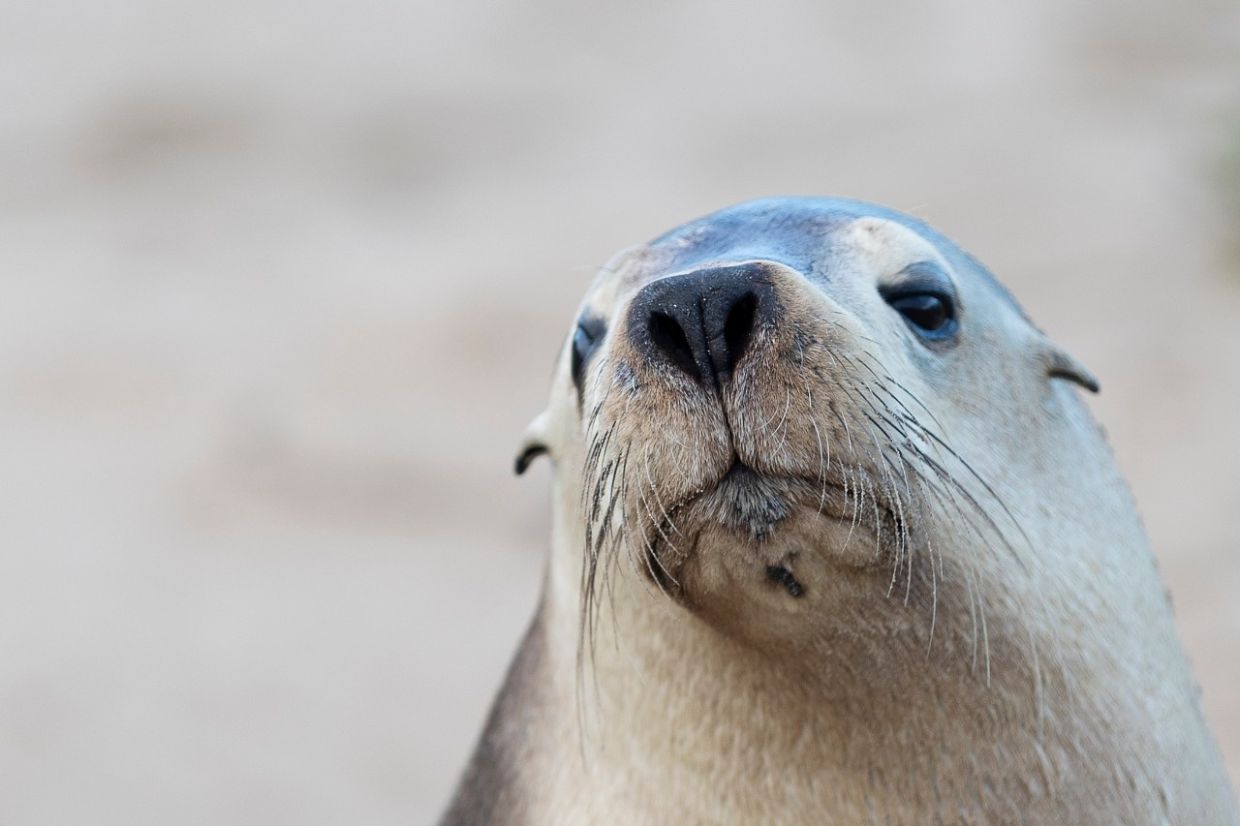
An escalating outbreak of highly pathogenic H5N1 avian influenza across South Australia poses an imminent threat to one of the world's most vulnerable marine mammal populations, according to wildlife health specialists monitoring the virus's spread. The detection of H5N1 in seabirds at Seal Bay, a critical habitat for the endangered Australian sea lion, has prompted urgent warnings that cross-species transmission is virtually inevitable without intervention. This convergence of pandemic pathogen and fragile wildlife population represents a scenario that conservation authorities have long feared but lacked concrete means to prevent.
South Australia now reports 40 suspected or confirmed cases of the highly pathogenic strain across the state, with the outbreak accelerating dramatically in recent days. Since Monday alone, authorities have identified 33 cases, including the confirmed detection at Seal Bay on Kangaroo Island off the state's south coast. The broader Australian context shows 14 additional confirmed cases scattered across other states and territories as of late July, though South Australia remains the pandemic's epicentre. The rapid multiplication of cases within a compressed timeframe indicates the virus is circulating efficiently through wild bird populations, raising the prospect of further geographic expansion across the continent.
Wayne Boardman, a wildlife veterinarian from the University of Adelaide, articulated the scale of the predicament in stark terms to the Australian Broadcasting Corporation, stating that historical precedent makes transmission to sea lions virtually certain. The presence of the virus among bird species that frequent Seal Bay creates multiple pathways for infection, whether through direct contact with infected carcasses or environmental contamination of breeding areas. Boardman's assessment reflects growing scientific consensus that once H5N1 establishes itself in a seabird population proximate to marine mammal colonies, cross-species barriers become academic rather than protective.
The historical record buttresses these concerns with devastating examples. During 2022, approximately 30,000 sea lions died across South American coastlines within a six-month period following H5N1 exposure, an event that fundamentally altered our understanding of the virus's lethality among pinniped species. More recently, between August 2025 and January 2026, an estimated 13,359 southern elephant seal pups perished on Heard Island in the Southern Ocean, representing a catastrophic population loss concentrated among the most vulnerable age cohort. These precedents demonstrate that once H5N1 crosses from avian to marine mammal hosts, mortality rates can approach or exceed 70 to 80 percent in susceptible populations.
Seal Bay harbours approximately five percent of the global population of Australian sea lions, a species already classified as endangered with limited geographic distribution and relatively small aggregate numbers. The concentration of such a significant proportion of a vulnerable species in a single location amplifies the implications of potential infection. Should H5N1 become established within the Seal Bay colony, the mortality consequences could fundamentally alter the species' conservation trajectory and potentially trigger international conservation alerts. The spatial isolation of the colony, while offering some protection from terrestrial predators, becomes a liability when facing an airborne pathogen spreading through wild bird populations.
In response to the emerging crisis, South Australian authorities have implemented immediate protective measures, suspending tourist beach tours at Seal Bay to reduce human-mediated contact that could accelerate viral transmission. This decision reflects the precautionary principle in wildlife management, acknowledging that containment of H5N1 once established in marine mammal populations proves extraordinarily difficult or impossible. The suspension of commercial activity represents an economic trade-off willingly accepted by policymakers recognizing the irreversible nature of species extinction or severe population collapse.
Julie Collins, the Minister for Agriculture, Fisheries and Forestry, emphasized ongoing coordination between government agencies and scientific experts aimed at constraining the outbreak's spread. Collins noted that surveillance to date has detected no evidence of H5N1 penetrating commercial agricultural operations or poultry systems, suggesting that biosecurity measures protecting the livestock sector have functioned effectively. This distinction matters significantly for public messaging, as it allows authorities to simultaneously acknowledge the severity of the wildlife emergency whilst providing reassurance regarding food security and economic impacts on farming communities.
The threat to human health, according to government assessments, remains minimal under current epidemiological conditions. Direct transmission from birds to humans remains vanishingly rare, and no instances have been documented within Australian populations. Cooking poultry to appropriate temperatures and practising basic food hygiene eliminate virtually all risk from contaminated produce. These public health assurances, while technically accurate, do not diminish the conservation imperative driving the policy response, which operates on an entirely different risk calculus centred on species preservation rather than individual human safety.
The broader implications for Southeast Asian and Australian wildlife management are substantial. Regional bird populations migrate across shared flyways, suggesting that H5N1 could potentially reach other threatened marine species throughout the Indian Ocean and western Pacific regions. Countries including Malaysia, which hosts significant seabird populations and shares migration corridors with Australian species, face potential secondary exposure risks. The outbreak also underscores the vulnerability of conservation strategies reliant on narrow geographic concentrations of endangered species, arguing for deliberate geographic distribution of breeding populations to reduce catastrophic risk from single-location disease events.
The current outbreak presents an acute test of whether adaptive management frameworks can respond with sufficient speed and effectiveness to emerging zoonotic threats targeting wildlife. Traditional conservation approaches emphasizing habitat protection and population monitoring were not designed for rapidly evolving infectious disease scenarios where interventions must operate at epidemiological timescales measured in days rather than seasons. The South Australian experience will likely influence how regional authorities prepare contingency responses for future avian influenza variants, potentially spurring investment in wildlife disease surveillance infrastructure and emergency response protocols. Scientific and policy communities are watching closely to determine whether current containment efforts can prevent what historical patterns suggest would be a catastrophic consequence for the Australian sea lion population.

