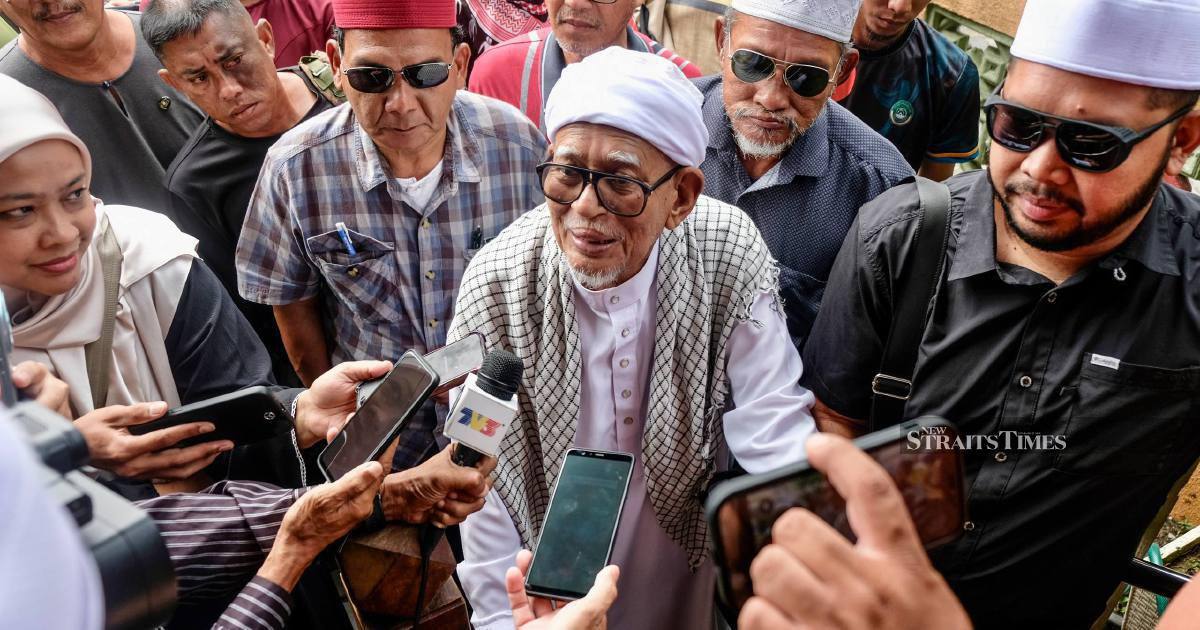
Tan Sri Abdul Hadi Awang has publicly questioned the decision of Prime Minister Datuk Seri Anwar Ibrahim to skip the special parliamentary sitting convened to examine the Royal Commission of Inquiry report into Lembaga Tabung Haji, suggesting that the premier's attendance at such a significant proceeding was warranted. Speaking in Marang, the PAS president indicated that the gravity of the RCI findings into the troubled pilgrimage fund warrants the highest levels of political accountability and presence.
The Tabung Haji issue represents one of Malaysia's more contentious institutional crises in recent years, with the pilgrim fund's financial difficulties and governance lapses drawing sustained parliamentary and public scrutiny. The RCI was established to investigate systemic problems within the organisation that has served Malaysian Muslims seeking to perform the Hajj pilgrimage for decades. The resulting report holds significant implications for millions of Malaysians who have placed their trust and savings with the institution.
Hadi's intervention reflects broader tensions within Malaysia's political landscape regarding parliamentary accountability and the ceremonial obligations of the prime ministerial office. The statement carries particular weight given PAS's positioning as both an opposition voice and a coalition partner in certain contexts, making the party's criticism of the government's parliamentary conduct noteworthy. His remarks underscore expectations that matters of national institutional importance should command the attention of the nation's chief executive.
The Tabung Haji situation has exposed governance vulnerabilities and raised questions about regulatory oversight of major financial institutions serving specific demographic groups in Malaysia. The RCI investigation aimed to establish accountability for decisions and actions that contributed to the fund's operational difficulties. Parliamentary discussion of such findings represents an opportunity for legislative scrutiny and public record of institutional failings and recommended reforms.
Anwar's absence from the sitting, whatever its cause, creates a perceived gap in executive responsibility during a moment of significant public interest. In parliamentary democracies, prime ministers typically prioritise attendance at special sessions addressing matters of national concern, particularly those touching on institutional integrity and public trust. The symbolic significance of such attendance extends beyond procedural formality to demonstrate executive engagement with legislative oversight functions.
The RCI report likely contains recommendations spanning regulatory changes, administrative restructuring, and potentially personnel-related decisions within Tabung Haji's leadership. Such findings typically require executive consideration and implementation planning, making the PM's participation in the parliamentary discussion valuable for understanding legislative expectations and public sentiment regarding remedial actions. The government's response to RCI recommendations will shape the fund's rehabilitation and the restoration of public confidence.
Hadi's criticism also reflects a broader pattern within Malaysian political culture where opposition and coalition figures scrutinise the government's parliamentary engagement. The nature of governance expectations in Malaysia's Westminster-style system places substantial emphasis on the prime minister's visible participation in key legislative moments. Absence, whether due to schedule conflicts or deliberate prioritisation, invites commentary about the relative importance assigned to particular issues.
For Malaysian pilgrims and their families, the Tabung Haji RCI outcomes carry direct personal and financial consequences. The fund's difficulties have affected withdrawal processes and dividend distributions, creating concrete hardship for members. Parliamentary examination of the RCI report provides an avenue for affected Malaysians to see their concerns formally addressed within legislative proceedings, making prime ministerial attendance symbolically important to demonstrating systemic responsiveness.
The exchange between Hadi and the government highlights the intersection of ceremonial expectations and substantive policy accountability within Malaysia's political framework. While the PM's substantive engagement with Tabung Haji issues could occur through various channels, parliamentary sitting attendance carries distinct symbolic weight in demonstrating executive commitment to accountability for institutional governance failures. Southeast Asian democracies frequently grapple with balancing prime ministerial workload constraints against expectations for visible legislative participation.
Going forward, the government's implementation of RCI recommendations will likely attract continued parliamentary scrutiny from both opposition and coalition members. How the executive responds to such criticism regarding engagement with legislative proceedings may influence perceptions of governmental attentiveness to institutional accountability matters. The Tabung Haji situation extends beyond the fund itself to broader questions about how Malaysia's government institutions maintain public trust during periods of acknowledged failure and reform.

