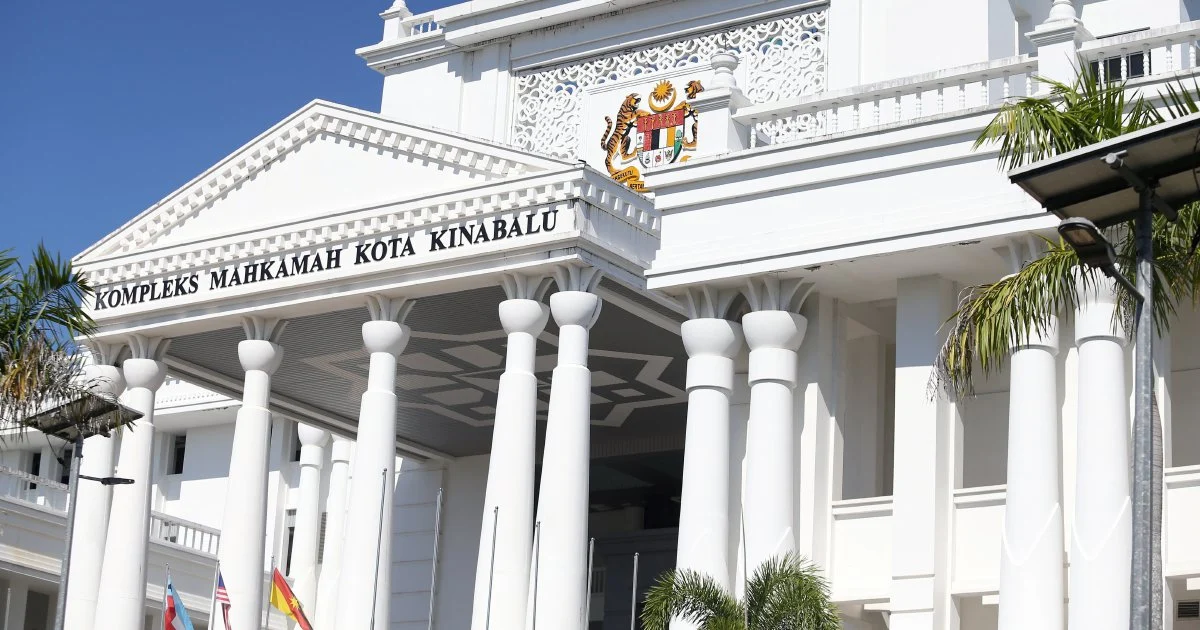
A handwriting specialist reiterated her professional assessment before the Coroner's Court in Kota Kinabalu on Tuesday, confirming that certain entries in the journals belonging to the late Zara Qairina Mahathir could not have been written by her. The testimony adds a significant forensic dimension to ongoing judicial proceedings surrounding the circumstances of Mahathir's death.
The expert witness, who has spent years analysing document authenticity and identifying individual writing patterns, presented her findings after careful examination of the contested materials. Her willingness to stand by her conclusions despite scrutiny suggests confidence in her methodology and the quality of evidence she has reviewed. This reaffirmation represents a critical moment in the investigative process, as handwriting analysis often serves as objective documentary evidence in complex cases.
Zara Qairina Mahathir, daughter of the former Prime Minister of Malaysia, passed away in circumstances that have prompted official inquiry. The discovery that journal entries may not have been authored by her raises significant questions about the reliability of these documents as records of her personal thoughts, experiences, or potential concerns during the period they purport to cover.
The implications of divergent handwriting patterns within a single set of personal journals are considerable. If portions were written by another individual, it suggests either collaboration in journaling, potential forgery, or possibly that someone else had access to and used her journals without her knowledge. Each scenario carries different implications for understanding the broader context of the case.
Handwriting analysis, while sometimes controversial in academic circles, remains a standard forensic tool employed by law enforcement and judicial systems across Malaysia and the Commonwealth. The discipline relies on the premise that individual handwriting characteristics—such as pressure, slant, letter formation, and spacing—are sufficiently distinctive to differentiate between writers. When properly conducted by qualified practitioners, such analysis can provide important corroborating evidence.
The Coroner's Court proceedings in Sabah have drawn considerable public attention given Mahathir's family prominence and the ongoing relevance of the Mahathir political legacy in Malaysian discourse. The testimony occurred as part of a systematic examination of evidence that may illuminate the circumstances surrounding her death. Such inquest proceedings are designed to establish facts rather than assign criminal liability, though their findings can inform subsequent legal action.
For Malaysian observers, the case highlights the intersection of forensic science, judicial procedure, and family tragedy. The involvement of a prominent political figure's family member ensures that proceedings attract media scrutiny and public interest, though the Coroner's Court maintains focus on factual determination rather than political considerations. The expert's testimony represents one element of what appears to be a methodical investigation.
The documents at issue—Zara Mahathir's personal journals—would typically be regarded as intimate records reflecting private thoughts and experiences. The suggestion that they may contain entries by someone other than their owner raises uncomfortable questions about privacy and the reliability of such materials. For families managing the affairs of deceased relatives, the discovery of potentially altered or supplemented personal documents can complicate grief and understanding.
The handwriting expert's persistence in maintaining her findings, despite what may have been challenging questioning from various parties in the proceeding, underscores the importance of scientific rigor in forensic examination. Experts who modify conclusions under pressure can undermine the integrity of the judicial process, whereas those who stand by properly conducted analyses contribute to objective fact-finding.
In the broader Southeast Asian context, Malaysia's reliance on traditional forensic methods like handwriting analysis reflects practices common across the region's legal systems. As investigative techniques evolve and new technologies emerge, courts continue to value the contributions of qualified document examiners who can identify patterns invisible to untrained observers.
The Coroner's Court's examination of these materials will ultimately contribute to a comprehensive understanding of the circumstances surrounding Zara Qairina Mahathir's death. Whether the disputed journal entries represent significant evidence or merely a peripheral element remains to be determined as the proceedings continue. The expert's testimony ensures that questions about document authenticity are properly addressed in the official record.

