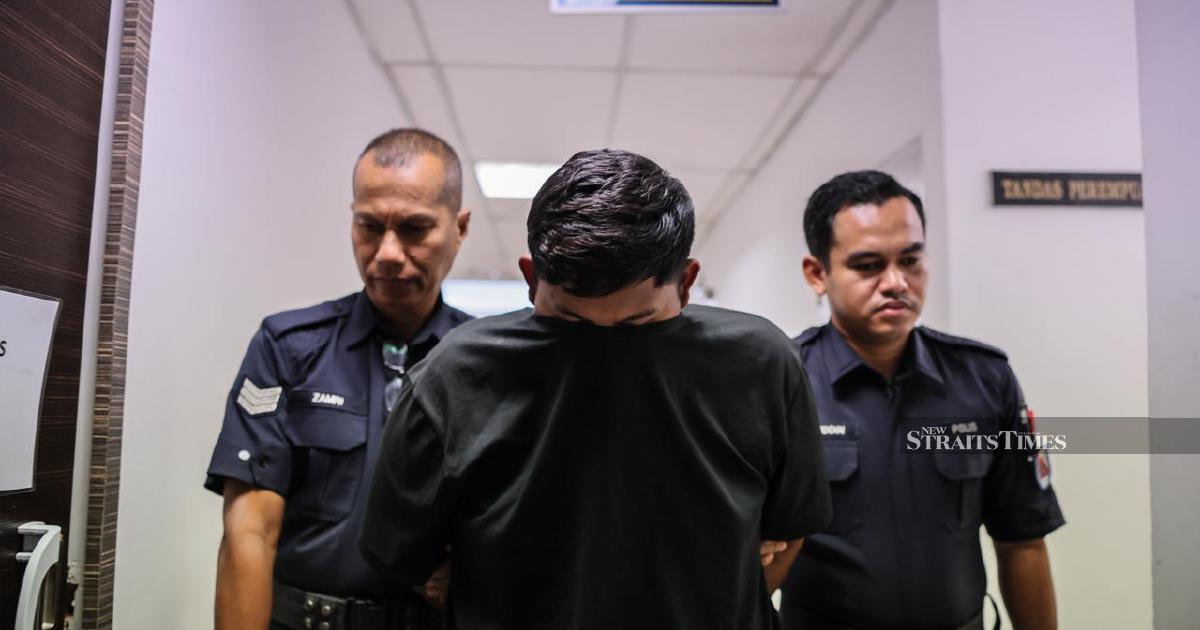
A 25-year-old man employed at a hardware store in Kuala Terengganu entered a not guilty plea at the Sessions Court on charges involving the rape and sexual assault of his teenage sister, marking the beginning of legal proceedings in a case that highlights the prevalence of intrafamily sexual violence in Malaysia.
The accused, whose identity is protected under Malaysian law due to the involvement of a minor victim, faced the court in the state capital where the alleged incidents occurred. The charges relate to criminal conduct against a 16-year-old girl identified as his biological sister, triggering an investigation that led to his arrest and subsequent prosecution under relevant provisions of the Penal Code.
Investigations by the Royal Malaysia Police revealed circumstances that prompted authorities to move forward with formal charges. The case underscores the sensitive nature of sexual violence within family structures, where victims often face significant barriers to reporting abuse due to familial relationships, social stigma, and potential economic consequences. Malaysia's legal framework provides specific protections for minors in such situations, including closed-door proceedings and anonymity provisions intended to shield victims from further trauma.
The Sessions Court in Kuala Terengganu now bears responsibility for adjudicating the matter, with the defendant subject to bail conditions pending trial. The judicial system in Malaysia treats sexual offences involving minors with particular gravity, recognising the psychological and physical harm inflicted on vulnerable victims and the broader societal implications of such crimes.
Incest-related sexual offences represent a significant portion of reported sexual crimes in Malaysia, though many cases remain unreported due to family pressure and victim reluctance to involve law enforcement. Social welfare organisations and counselling services have increasingly highlighted the need for community awareness regarding the recognition and reporting of child sexual abuse, particularly within domestic environments where predators may exploit positions of trust and authority.
The Sessions Court system in Terengganu operates within the broader Malaysian judicial framework, handling cases of indictable offences including serious sexual crimes. The court's proceedings will determine the veracity of allegations through examination of evidence, witness testimony, and expert assessments. The admissibility and reliability of evidence in sexual assault cases involving family members often requires careful judicial scrutiny, given the complex dynamics that characterise such disputes.
For the victim, the court process represents both a potential avenue for justice and an ordeal requiring courage to testify against a family member. Malaysian courts increasingly recognise the need for victim support mechanisms, including the provision of counsellors, screen testimony procedures, and trauma-informed judicial responses. The victim's access to protective services and psychological support throughout the legal process remains a critical consideration in cases of this nature.
The defendant's right to legal representation and due process remains paramount under Malaysian law, regardless of the severity of allegations. The principle of presumption of innocence governs all criminal proceedings until conviction is established beyond reasonable doubt. Nevertheless, the public prosecution's decision to proceed with charges suggests sufficient evidence to meet the threshold for prosecution, typically involving credible victim testimony corroborated by medical examination, investigative findings, or other forensic evidence.
This case arrives amid ongoing discussions in Malaysian civil society regarding the reform of laws protecting children and strengthening mechanisms for reporting sexual abuse. Advocacy groups have called for enhanced training of police officers and judicial officers in handling sensitive cases, improved victim support infrastructure, and awareness campaigns targeting parents and educators to identify warning signs of child sexual abuse within family settings.
The implications of such cases extend beyond the individual circumstances to broader questions of family law enforcement in Malaysia. While the criminal justice system addresses the perpetrator's culpability, parallel considerations arise regarding child protection, family intervention, and rehabilitation possibilities. The state's role in safeguarding vulnerable family members against exploitation by relatives represents a fundamental aspect of child welfare policy.
As the case progresses through the Kuala Terengganu Sessions Court, the community attention it generates may contribute to greater awareness of sexual violence within families and the importance of reporting such crimes. The trial outcome will inform both the parties involved and the broader public regarding the judiciary's approach to intrafamily sexual offences, potentially influencing victim willingness to come forward in future cases and reinforcing society's commitment to protecting minors from exploitation.

