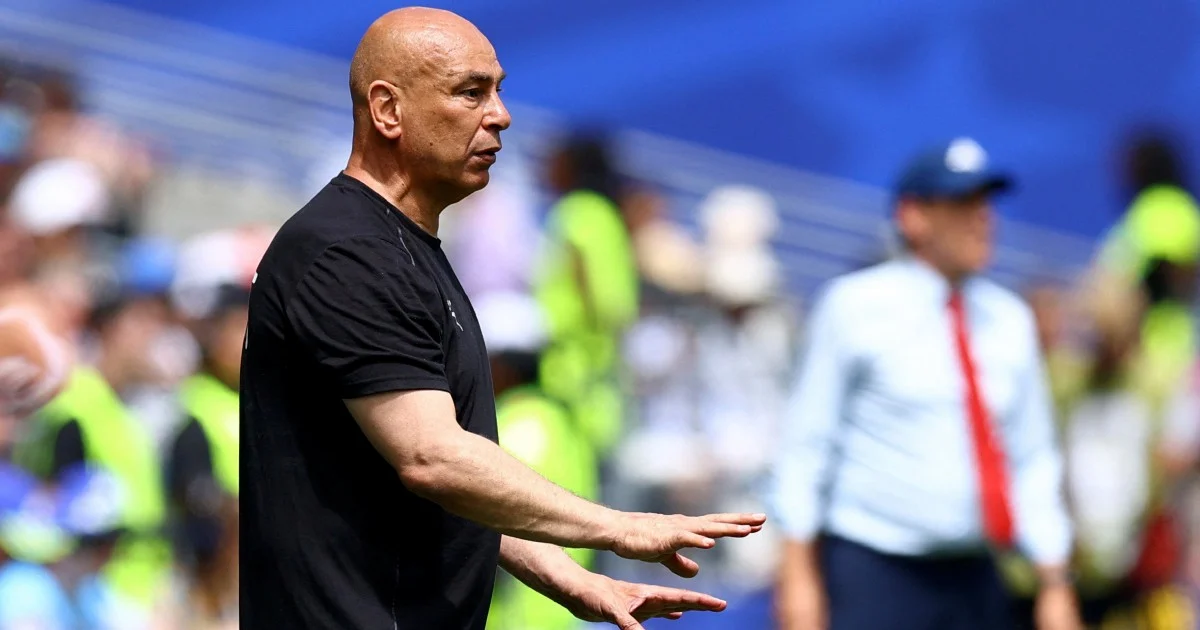
Egypt's football programme faces intensifying scrutiny as it prepares for what could be a defining moment in the nation's World Cup history. Coach Hossam Hassan moved swiftly to quell speculation about potential friction within his squad, particularly surrounding the involvement of Mohamed Salah, the country's most influential player. Speaking from Vancouver ahead of the Group G fixture against New Zealand at BC Place on Sunday, Hassan conveyed a message of internal cohesion and readiness, signalling that any suggestions of discord within the camp were unfounded.
The denial comes at a particularly sensitive juncture for Egyptian football. The nation has achieved impressive moments on the global stage in recent years, but World Cup success—particularly a deep run in the tournament—remains elusive. Every indication of internal strife or player discontent threatens to undermine the preparations that coaching staff and administrators have invested heavily in constructing. Hassan's statement therefore serves a dual purpose: reassuring both the domestic football federation and the millions of supporters back home that the squad operates with unified purpose.
Mohamed Salah's form and availability carry outsized importance to Egypt's tournament ambitions. As a player of genuine world class, operating at the highest level of European club football, his presence alone significantly elevates the team's competitive standing. Any suggestion that he might be operating at reduced capacity due to interpersonal conflicts or grievances would naturally generate concern among stakeholders. Hassan's intervention effectively places the responsibility for any performance shortfalls firmly on tactical execution and external factors rather than internal dysfunction.
The timing of such reports, whether accurate or speculative, often reflects the intense pressure surrounding international football at the World Cup stage. Media outlets frequently probe for signs of weakness in competing nations, and stories about player disputes or coaching conflicts gain traction precisely because they resonate with audiences and raise legitimate questions about team stability. By preemptively addressing the narrative, Hassan attempts to maintain control over how his team is perceived both domestically and internationally.
New Zealand presents a formidable opponent despite occupying an underdog status in global football hierarchies. The squad has demonstrated resilience and tactical discipline in World Cup competitions previously, and matches between unfancied teams and established powerhouses often produce unpredictable results. Egypt cannot afford complacency, regardless of relative rankings or historical precedent. Hassan's emphasis on squad unity suggests he recognizes that Group G presents genuine competitive challenges where marginal advantages—including psychological cohesion and mutual trust—become decisive factors.
For Malaysian and Southeast Asian observers, Egypt's campaign holds particular interest given the region's growing engagement with world football. The emergence of compelling narratives around African football at the World Cup stage attracts substantial viewership across the region, where audiences have developed sophisticated understanding of both tactical football and the human dynamics that shape international competition. An Egypt squad operating with internal harmony and clear direction presents a more compelling storyline than one fractured by dispute.
Hassan's public statement also reflects broader strategic communication employed by international football coaches. The management of squad morale and external perception represents a crucial component of preparation that rarely receives adequate recognition compared to tactical analysis or fitness work. By controlling the narrative around his team's internal culture, Hassan seeks to influence how players view their own group cohesion and external observers interpret the squad's psychological readiness.
The denial of Salah-related discord specifically targets a particular vulnerability in Egypt's narrative construction. Should any friction between the coach and his star player become public knowledge, it would inevitably dominate conversation and potentially distract the team during crucial matches. Hassan's preemptive statement therefore functions as both reassurance and boundary-setting, signalling that such matters—if they existed—would not become fodder for public debate.
Egypt's World Cup prospects depend substantially on results in the group stage. BC Place in Vancouver will host a contest where three points assume critical importance. New Zealand, despite being drawn in a group with Egypt, represents the kind of opponent where victory carries expectation rather than surprise. Hassan's insistence on squad unity can be interpreted as preparation for the mental demands of the match itself, where players must execute assigned instructions under pressure without second-guessing coaching decisions or harbouring internal resentments.
The broader context of African football at the World Cup continues to evolve, with nations increasingly investing in coaching infrastructure and player development programmes designed to compete at the highest levels. Egypt's positioning as one of Africa's elite footballing nations means that performance expectations remain substantial. Hassan's steady communication about squad health reflects the professionalism now expected from coaches representing established African football powers.
As Egypt embarks on what the coaching staff and federation clearly hope will be a historic World Cup run, the psychological foundation of squad cohesion cannot be overlooked. Hassan's articulate dismissal of discord claims serves to reinforce that foundation, creating an environment where players can concentrate fully on football-related challenges rather than speculating about internal tensions. Whether this translates into positive results against New Zealand will ultimately determine whether such reassurances prove prophetic or merely represent wishful thinking ahead of a pivotal encounter.