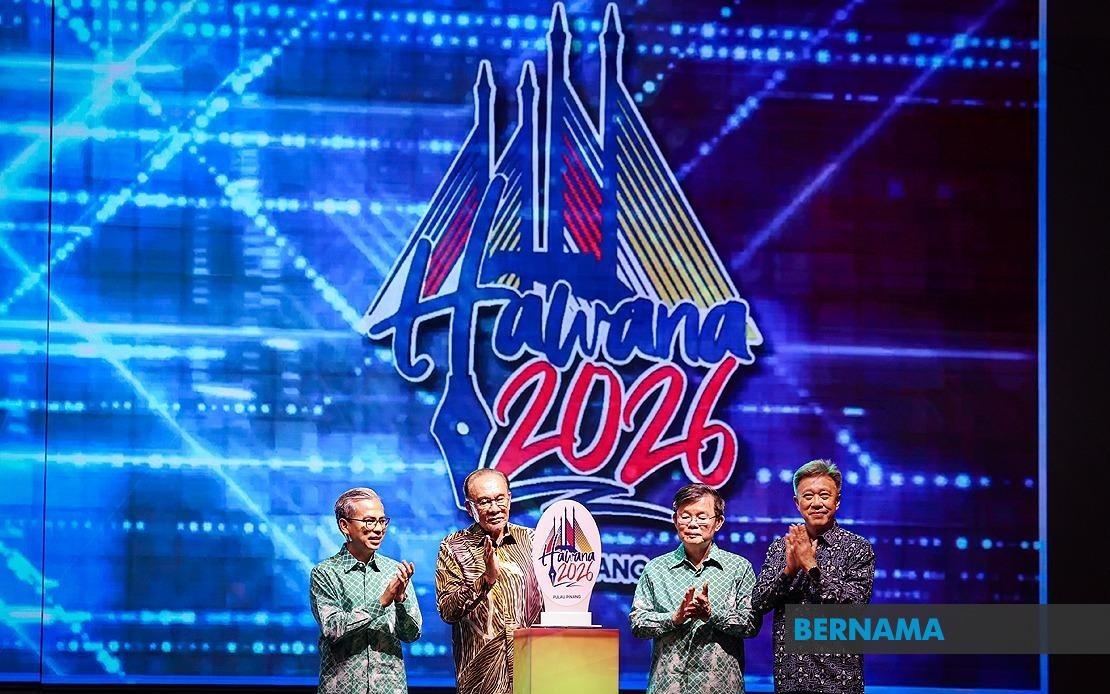
The curtain fell on National Journalists' Day (HAWANA) 2026 at the PICCA@Arena Butterworth Convention Centre in Penang on Sunday, capping a three-day gathering that brought nearly 1,000 media professionals together to examine journalism's evolving role in Malaysia and the Southeast Asian region. The event assembled representatives not only from Malaysia but also from ASEAN neighbours including Indonesia, Cambodia and Timor-Leste, signalling the increasing importance of cross-border media dialogue as digital platforms blur traditional journalistic boundaries.
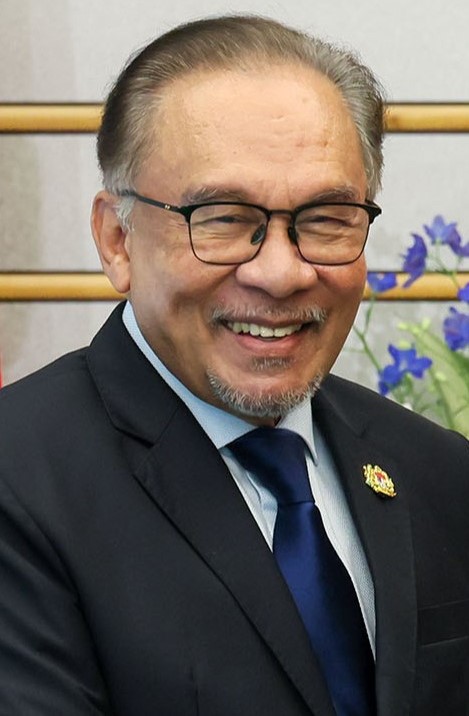
Headed by the theme 'Media Integrity Strengthens Credibility', the main celebration showcased Prime Minister Datuk Seri Anwar Ibrahim's official endorsement of the profession and broader commitment to supporting those working in increasingly challenging conditions. His presence underscored how successive Malaysian governments have come to recognise journalism not as peripheral to governance but as essential infrastructure for an informed citizenry and accountable institutions. The PM's participation reflected a wider regional trend of leaders acknowledging that quality journalism requires sustained institutional support, particularly as advertising revenues continue to migrate towards digital platforms beyond traditional outlets' reach.
A centrepiece announcement involved an additional RM1 million allocation for the Tabung Kasih@HAWANA welfare fund, demonstrating tangible backing for media practitioners facing hardship. This supplementary commitment builds upon an existing programme that has distributed RM2.26 million across 773 beneficiaries since its 2023 launch, establishing what amounts to a social safety net for journalists and former broadcast professionals. The expansion signals recognition that the profession has become riskier and less financially stable in recent years, with freelancers and stringers particularly vulnerable to income volatility and lack of conventional employment protections.
Simultaneously, Anwar reaffirmed continuation of the Media Innovation Fund, explicitly designed to accelerate digital transformation across Malaysian news organisations. This dual-track approach—combining welfare support with modernisation investment—reflects sophisticated understanding that the industry cannot survive on nostalgia for print-era business models. Southeast Asian media face particular pressure as advertising budgets shift towards social platforms and international digital players, making government backing for infrastructure upgrading potentially the difference between viability and collapse for many regional outlets.
Communications Minister Datuk Fahmi Fadzil fortified these commitments by announcing Telekom Malaysia's entry as a strategic partner, contributing RM500,000 to the welfare fund. This corporate participation parallels private sector recognition that media health serves broader business interests, creating a more diversified funding ecosystem than reliance on government allocations alone. The involvement of Malaysia's telecommunications giant also signals how traditionally distinct industrial sectors increasingly recognise interdependencies—stable media environments generate social cohesion beneficial to all enterprises.
Recognition ceremonies honoured individual contributions to journalism's advancement. Former Broadcasting director-general Datuk Suhaimi Sulaiman received the HAWANA Award for exceptional service to the profession, acknowledging that institutional memory and professional standards depend heavily on respected figures who have navigated industry transitions. More poignantly, the posthumous Special HAWANA Award 2026 went to Azlan Idris, the late former head of Bernama Radio who passed away in January at 57. Azlan's widow, Wan Syahrina Wan Abdul Rahman, accepted the honour as images of her late husband appeared on screen, a moment that visibly moved attendees and underscored journalism's human dimensions often obscured by debates about technology and business models.
Azlan's career trajectory illustrated Malaysia's media landscape evolution—he worked across Bernama Radio, TV3, NTV7 and Channel 9, spanning public broadcaster, commercial free-to-air and pay television. His instrumental role in establishing Bernama Radio in 2007 and organising four HAWANA editions demonstrated how individual professionals shape institutional capabilities. His loss represented not merely replacement of a skilled administrator but potential disruption to institutional knowledge and professional networks that sustain editorial standards across organisations.
Regional cooperation expanded substantially through a formal memorandum of understanding between Bernama and Timor-Leste's national news agency, Agência Noticiosa de Timor-Leste (TATOLI). This agreement, signed by Bernama CEO Nur-ul Afida Kamaludin and TATOLI president Noémio Mateus Soares Falcão, formalised by both nations' communications officials and witnessed by Prime Minister Anwar, creates structural channels for news exchange and professional collaboration. For Timor-Leste, a young nation with limited indigenous media infrastructure, such partnerships with regional institutions provide access to journalistic expertise and distribution networks critical for developing sustainable local news ecosystems.
Beyond formal proceedings, the three-day RIUH Pi HAWANA Carnival demonstrated how journalism celebration increasingly incorporates broader creative industries. Featuring performances from local acts including Exists, Bunkface and Chelsea Ng, alongside workshops and 44 commercial vendors, the carnival positioned journalism within Malaysia's creative economy narrative. This integration reflects growing recognition that media work exists within wider entertainment and cultural production landscapes, sharing audiences, platforms and commercial pressures with music, design and entertainment sectors. The carnival's emphasis on local creative brands underscored how digital disruption affects not only news organisations but entire creative ecosystems seeking viable revenue models.
Structured programme sessions addressed substantive industry challenges through dedicated forums. The Malaysian Media Retreat 2.0, organised by the Malaysian Federation of Media Clubs (GKMM), the Malaysian Press Institute's town hall examining 'Will Journalists Still Exist?' by 2035, and dialogue with the Communications Minister created spaces for candid discussion of profession-wide challenges. These sessions permitted media leaders to examine digital transition strategies, regulatory environments, competitive pressures from international platforms and declining classification advertising revenues in candid settings beyond public pronouncements. The Malaysian Media Council dinner further enabled peer networking essential for maintaining professional cohesion across competing organisations.
Penang's hosting role extended beyond logistical functionality. The state demonstrated infrastructure and event management capabilities while generating economic activity through visitor spending and tourism promotion. Governor Tun Ramli Ngah Talib's honouring dinner for nearly 350 journalists and executives illustrated how regional leadership integrates media engagement into broader governance strategies. For Penang, hosting a national media gathering projected competence and sophistication while building relationships with influential media figures who shape public narratives regarding the state.
Bernama's execution of HAWANA 2026 showcased Malaysia's national news agency as institution capable of large-scale event management beyond traditional wire service functions. The first live television broadcast in HAWANA's history demonstrated technical sophistication and willingness to modernise presentation formats. This successful delivery positioned Bernama as capable of complex coordination across multiple stakeholders and formats, potentially expanding its role beyond news distribution toward broader media infrastructure provision.
The comprehensive three-day programme—encompassing welfare announcements, regional cooperation formalisation, professional recognition, industry dialogue and public celebration—demonstrated how Malaysia's media sector increasingly functions as coherent ecosystem requiring coordinated support across government, corporate and professional spheres. HAWANA 2026's conclusion left journalists with substantive commitments, renewed professional connections and clearer signals that media's institutional role commands recognition at the highest levels of Malaysian governance and corporate leadership.