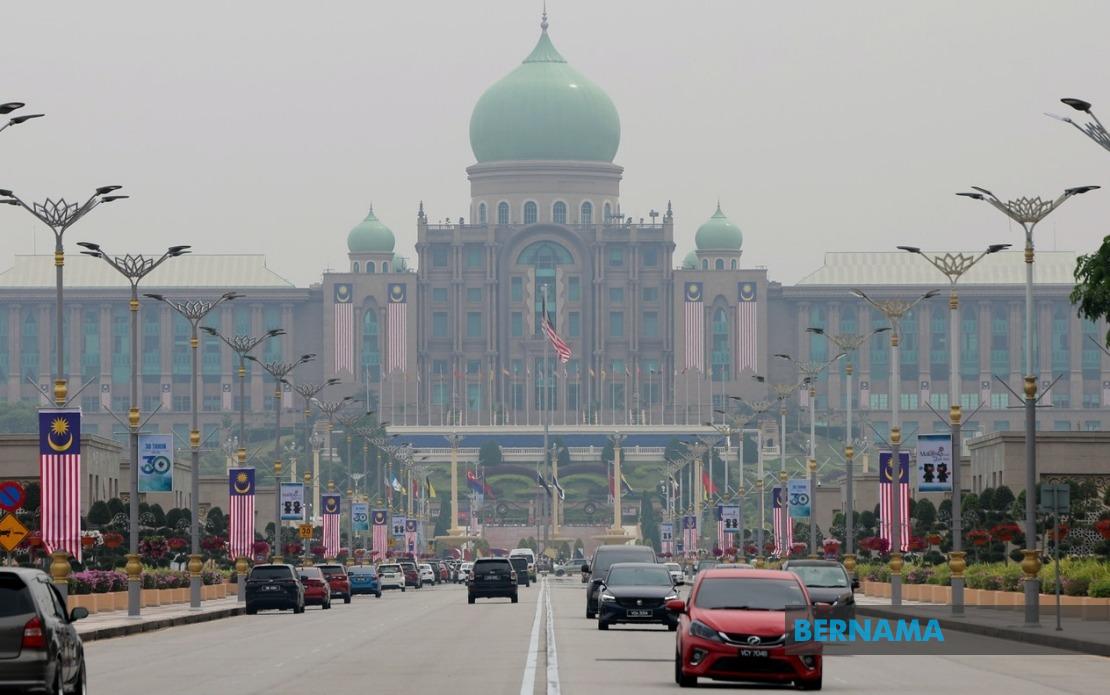
Prime Minister Datuk Seri Anwar Ibrahim will raise the worsening haze problem with the Sultan of Brunei, Sultan Hassanal Bolkiah, when the two leaders convene for their annual consultation beginning tomorrow, according to Malaysia's envoy to the sultanate. The transboundary air pollution crisis, which has escalated dramatically across several parts of the region, will form a centrepiece of discussions at the 27th Malaysia-Brunei Annual Leaders' Consultation, positioned as the apex mechanism for bilateral engagement between the two neighbouring nations.
Malaysian High Commissioner to Brunei Datuk Mohd Aini Atan confirmed that environmental degradation represents one of the most pressing shared concerns currently facing both governments. The inclusion of Sarawak Premier Tan Sri Abang Johari Tun Openg and Sabah Chief Minister Datuk Seri Hajiji Noor in the delegation ensures that the perspectives of Malaysia's most affected states will shape the conversation at the highest diplomatic level. Datuk Mohd Aini emphasised during a media briefing in Bandar Seri Begawan that Sarawak's acute vulnerability to seasonal haze makes this engagement particularly timely and substantive.
Recent air quality measurements paint an alarming picture of environmental deterioration across eastern Malaysian population centres. The Serian district recorded an Air Pollutant Index reading of 204 as of 5 pm on August 20, a level classified as very unhealthy and indicative of severe air quality degradation that poses direct health risks to vulnerable populations including children, elderly persons, and those with respiratory conditions. This measurement, drawn from Malaysia's Air Pollutant Index Management System portal, underscores the severity of the crisis facing the region.
Beyond Serian, multiple other Sarawak localities have reported concerning pollution levels that warrant urgent regional attention. The state capital Kuching registered 195, placing it in the unhealthy category, whilst Samarahan recorded 182, Sri Aman 179, Sarikei 158, and Sibu 152. The geographic spread of these elevated readings indicates that the haze problem is not confined to isolated areas but rather represents a systemic environmental challenge affecting the broader population. Each of these locations serves significant urban populations and economic centres, amplifying the potential social and economic consequences of sustained air pollution.
The timing of Anwar's visit assumes particular diplomatic significance given the transboundary nature of haze pollution in Southeast Asia. Brunei, whilst positioned downwind in most seasonal wind patterns, shares common environmental and atmospheric systems with Malaysian Borneo. The sultanate's inclusion in these discussions reflects the understanding that combating regional haze requires coordinated approaches transcending national boundaries. Sultan Hassanal Bolkiah's participation in the consultation process signals Brunei's commitment to regional environmental stewardship alongside its Malaysian counterpart.
The Malaysia-Brunei Annual Leaders' Consultation framework has proven instrumental in resolving complex bilateral issues requiring sustained high-level engagement. This institutionalised mechanism ensures that matters of mutual concern receive structured attention rather than ad hoc diplomatic responses. The decision to elevate haze discussions to this premier bilateral forum reflects its contemporary importance to both societies, moving environmental issues squarely into the realm of strategic national interest rather than treating them as ancillary concerns.
For Malaysia, the urgency appears particularly acute given that transboundary haze typically results from agricultural fires and land-clearing operations in neighbouring territories, particularly during dry seasons. Sarawak's vulnerability stems from its geographic proximity to known haze sources and prevailing wind patterns that funnel polluted air into the state. The delegation's composition, prominently featuring state leaders directly responsible for managing the crisis on the ground, enables detailed discussion of mitigation strategies, early warning systems, and potential enforcement mechanisms that could reduce future incidents.
The inclusion of air quality data in pre-consultation communications demonstrates Malaysia's intent to approach the issue with documented evidence rather than abstract concerns. By presenting real-time pollution measurements, Malaysian officials can establish the factual foundation for requesting concrete regional responses. This data-driven diplomacy approach carries particular weight in discussions with neighbouring states and demonstrates the seriousness with which Malaysia views the environmental emergency.
Regional observers note that transboundary haze discussions between Southeast Asian partners have historically involved complex negotiations balancing economic interests against environmental protection. Agricultural and plantation industries in some neighbouring jurisdictions represent significant economic drivers, creating tensions between development imperatives and air quality maintenance. Malaysian officials must navigate these sensitivities whilst advocating forcefully for measures that would improve air quality for their citizens. The presence of Anwar, Malaysia's highest-ranking executive, signals that this conversation carries weight equivalent to traditional diplomatic priorities.
Beyond the immediate bilateral framework, Malaysia's approach to haze diplomacy holds implications for broader ASEAN engagement. How Malaysia addresses the issue with Brunei may establish precedents for discussions with other neighbours and set expectations for regional environmental cooperation standards. The Malaysian government appears to be signalling that air quality constitutes a sufficiently grave concern to warrant integration into top-level bilateral agendas, potentially elevating environmental issues across ASEAN diplomatic channels.
The two-day visit structure permits substantive deliberations beyond formal consultation sessions, creating space for technical discussions alongside ceremonial engagements. Malaysian officials will likely explore specific mechanisms for monitoring transboundary fire sources, information sharing protocols, and emergency response coordination. These operational details, whilst less visible than headline diplomatic announcements, often prove more consequential in generating tangible improvements in regional air quality.
For Malaysian citizens experiencing the health impacts of poor air quality, the elevated diplomatic response represents acknowledgment of their suffering and a commitment to pursuing remedies through available channels. The consultation offers opportunity to establish binding agreements on monitoring, reporting, and enforcement that could meaningfully improve air quality during future dry seasons. Whether these discussions yield concrete institutional changes or enhanced bilateral cooperation remains to be seen, but the public commitment to addressing haze through high-level engagement signals that Malaysia takes the crisis seriously as both a public health and environmental justice matter.

