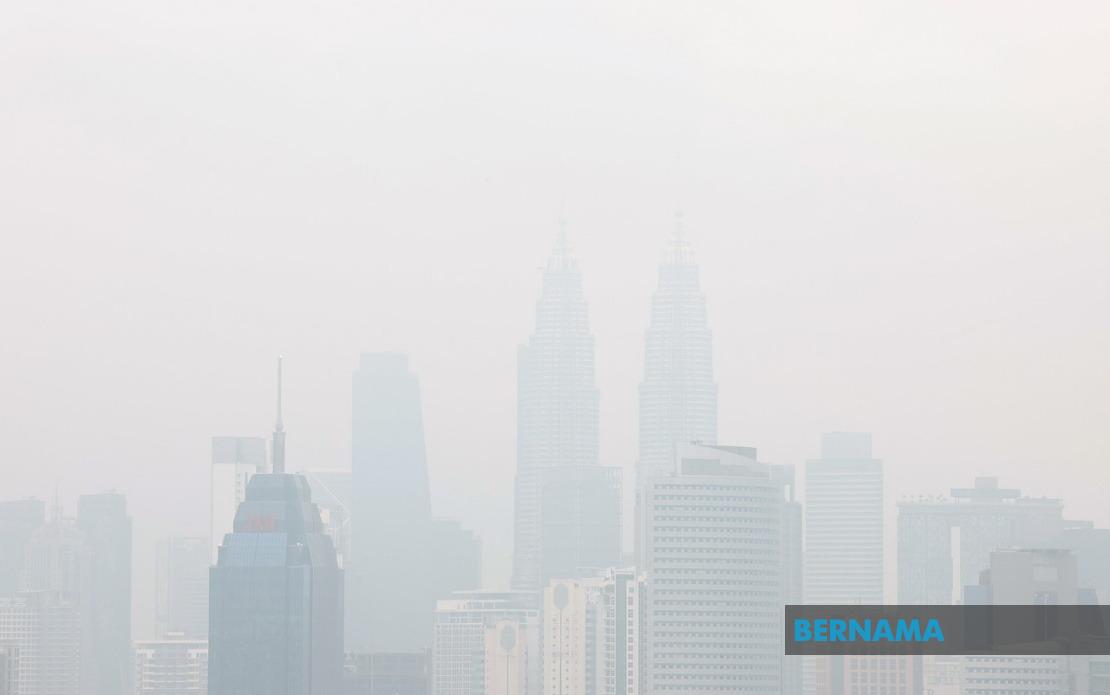
Malaysia's Youth and Sports Minister Dr Mohammed Taufiq Johari has moved to reassure the nation that ongoing haze conditions pose no threat to the country's athletic preparations ahead of the 2026 Aichi-Nagoya Asian Games, set to run from September 19 to October 3. Speaking in Sungai Petani after participating in a Merdeka motorcycle convoy, Taufiq outlined a series of protective measures designed to keep training schedules intact while maintaining athlete welfare in the face of air quality deterioration.
The minister revealed that the Cabinet had convened to specifically address the escalating haze situation, signalling the issue's elevation to the highest echelons of government decision-making. Rather than viewing the atmospheric challenge as an obstacle to be passively managed, the sports portfolio has adopted a proactive stance, monitoring pollution levels continuously and adjusting operational protocols accordingly. This multi-level governmental engagement demonstrates the seriousness with which officials are treating both the immediate health concerns and the longer-term implications for Malaysia's competitive standing at a major international sporting event.
Taufiq emphasised that comprehensive guidelines have been formulated to create a framework within which athletes can maintain their training intensity and quality without compromising their physical wellbeing. The National Sports Institute, Malaysia's premier athletics development body, has been brought into consultations to lend technical expertise and scientific rigour to decision-making. This collaborative approach between ministerial oversight and specialist sports science input represents a practical acknowledgment that managing athlete performance during environmental stress requires multidisciplinary input.
Central to the contingency strategy is a geographical shift in training locations. Outdoor exercise sessions are being progressively reduced in frequency and duration, with the training calendar rebalanced to emphasise indoor facilities. Indoor stadiums, training halls, and climate-controlled venues across the country now form the backbone of preparation schedules. This transition capitalises on Malaysia's existing sports infrastructure while creating controlled environments where air quality variables can be minimised or eliminated entirely. The shift is not merely logistical but represents a fundamental reimagining of how Malaysian sports facilities will be deployed during the pre-Games window.
The decision to pivot towards indoor training carries implications extending beyond simple convenience. Air-conditioned facilities enable athletes to train at controlled intensities without the respiratory challenges posed by poor outdoor air quality. Moreover, the move allows for more precise monitoring of athletes' physiological responses, as indoor environments permit standardised conditions across different training sessions. For technical sports involving precision and coordination, the controlled setting may even provide marginal performance advantages, allowing coaches to refine technique and strategy without atmospheric variables introducing unpredictable disruptions.
Taufiq's statement reflects a broader regional challenge confronting Southeast Asian nations. The recurring haze phenomenon, driven by transboundary air pollution and seasonal meteorological patterns, has become an increasingly predictable constraint on outdoor sporting activities. Malaysia's approach—combining acceptance of environmental reality with adaptive operational measures—may offer a template for regional sports governance during periods of degraded air quality. For the 2026 Asian Games specifically, this preparatory experience will have equipped Malaysian athletes with psychological and physical adaptation to competing under various atmospheric conditions, potentially offsetting disadvantages that might affect less-prepared competitors.
The minister's public assurance serves an additional crucial function in managing stakeholder confidence. Athletes, coaching staff, and supporting families require certainty that training programmes will continue functioning despite external pressures. Uncertainty about fixture stability or sudden disruptions can undermine psychological preparation and create logistical complications. By articulating specific, tangible measures already in motion, Taufiq has provided the reassurance necessary for focused, uninterrupted preparation.
The timing of these precautions also merits consideration. With the Games approximately six months away from the minister's remarks, there remains sufficient runway for implementation, adjustment, and refinement of indoor training protocols. This advance positioning prevents emergency scrambling in the final weeks before competition, when modification of established routines could prove counterproductive to performance readiness. The phased transition to indoor training allows athletes to acclimate gradually to altered environmental conditions.
Beyond athletics, Taufiq's broader engagement in the Sungai Petani community visit—conducting a three-hour motorcycle convoy involving nearly 400 participants—demonstrates how official communication about preparedness extends into grassroots civic participation. The minister's accessibility during the event created informal opportunities for direct dialogue with constituents, reinforcing government commitment to both national sporting ambitions and community cohesion. This integration of top-level sports policy announcements with localised community engagement reflects an understanding that Malaysian sports success depends not only on institutional planning but on nationwide buy-in and supportive public sentiment.
The haze situation itself remains a reminder of Malaysia's vulnerability to environmental factors beyond immediate national control. Transboundary pollution originating from regional biomass burning presents challenges that no single country can unilaterally resolve. Nevertheless, the government's demonstrated capacity to adapt sporting preparations to environmental constraints suggests a pragmatic approach to managing such challenges going forward. Whether atmospheric conditions improve or persist through the competition period, Malaysia's athletes will have trained under protocols specifically designed to maintain peak readiness regardless of external conditions.

