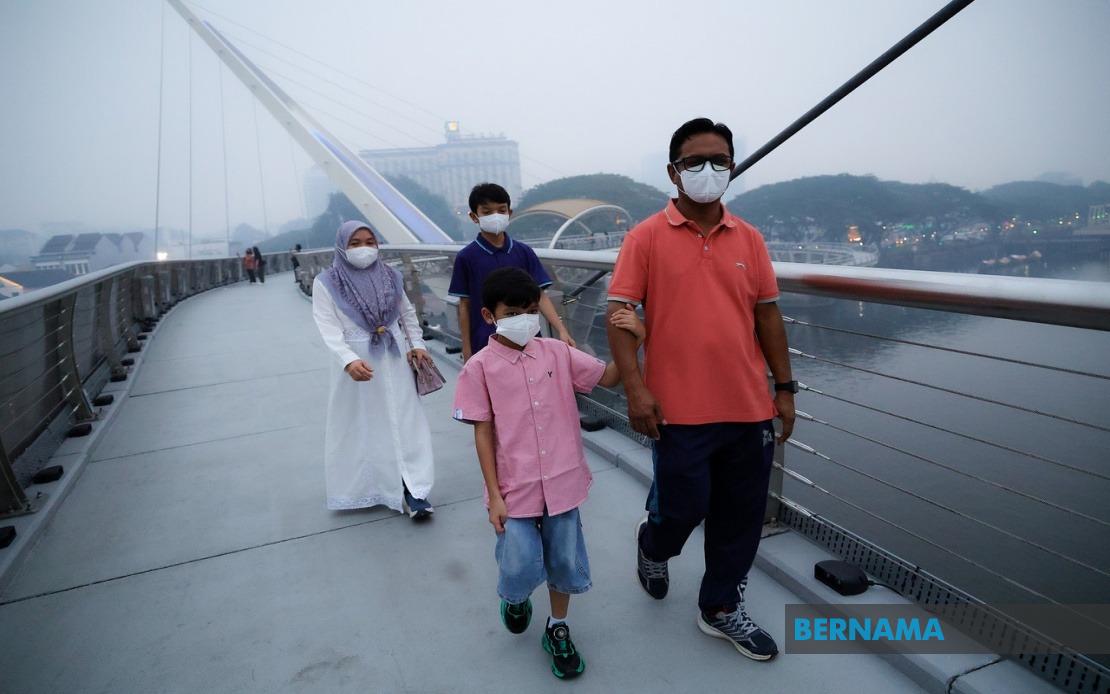
Health experts across Malaysia are calling on the public to remain vigilant about air quality levels and adopt appropriate protective strategies as haze continues to affect the region. The guidance comes as medical facilities report a significant surge in respiratory complaints linked to air pollution, underscoring the serious health implications of prolonged exposure to hazardous air conditions.
Dr Anas Ahmad Jamhari, a lecturer at Universiti Sultan Zainal Abidin's Faculty of Health Sciences, emphasises the importance of consulting daily Air Pollutant Index readings from the Department of Environment before venturing outdoors. The threshold of concern appears to be when API measurements exceed 100, a level that warrants extra caution particularly for vulnerable groups and those planning extended outdoor time. Proper preparation based on these readings can significantly mitigate health risks, though many Malaysians remain unaware of or indifferent to these warnings.
For individuals who must leave their homes during unhealthy air days, correct N95 mask usage is essential. Dr Anas stresses that mask effectiveness depends entirely on proper fit and consistent wear, as loose applications, frequent removal, moisture contamination, or damage substantially reduce protective capability. Facial hair presents an additional challenge, as it compromises the seal required for these masks to filter fine particulate matter effectively. Children present a particular concern, as sizing issues often prevent proper sealing and thus diminish the protective benefit of mask-wearing in younger populations.
The scientific mechanism underlying haze-related health risks extends beyond simple visibility reduction. Haze comprises a complex mixture of fine particles and chemical compounds, with PM2.5 particles posing the greatest danger due to their diminutive size, which enables deep lung penetration. Once deposited in the respiratory system, these particles trigger oxidative stress—a cellular damage mechanism that initiates inflammatory cascades, impairs lung function, and can cause lasting tissue harm. Understanding this mechanism helps explain why prolonged exposure during haze episodes produces both immediate respiratory distress and potentially chronic health consequences.
Athletes and fitness enthusiasts require particular guidance during periods of poor air quality. Strenuous outdoor activities such as running, jogging, cycling, and competitive sports substantially increase respiratory rate, which in turn elevates the volume of contaminated air drawn into the lungs. This physiological response concentrates fine particle exposure precisely when the body's defences are already stressed by exercise. Dr Anas observes with concern that many people continue outdoor athletic pursuits even when API readings clearly indicate unhealthy conditions, thereby multiplying their vulnerability to both acute respiratory episodes and accumulating chronic damage.
Indoor protection requires thoughtful management of the home environment. Maintaining sealed doors and windows prevents external haze infiltration, though this must be balanced against the need for adequate ventilation. Simultaneously, residents should eliminate or minimise indoor pollution sources including tobacco and vape smoke, incense burning, scented candles, and cooking activities that generate substantial smoke. Vehicle occupants should ensure air-conditioning systems recirculate interior air rather than drawing outside atmosphere into the cabin, creating a protective microclimate during journeys.
Datuk Dr Zainal Ariffin Omar, a specialist in public health medicine, introduces an additional dimension often overlooked in haze-response strategies. Temperature and humidity levels deserve consideration alongside API readings, particularly in Malaysia's tropical climate. During episodes combining poor air quality with elevated temperatures—conditions frequently associated with El Niño weather patterns—the public faces a dual threat from both airborne pollution and heat-related illness. Insufficient fluid intake during such periods significantly elevates the risk of heatstroke and dangerous dehydration, effects that compound respiratory stress from air pollution.
Dr Zainal advocates for a comprehensive public health approach that addresses both air quality and thermal stress simultaneously, rather than narrowly focusing on API readings alone. This integrated perspective reflects the complex interplay of environmental stressors affecting Malaysian populations during haze seasons. He further cautions against treating haze as a predictable seasonal occurrence that prompts complacency, as this mindset often leads people to maintain normal routines without adequate preparation, reducing collective resilience when subsequent episodes strike.
Strengthening public awareness represents a critical strategic priority, though current messaging often remains unnecessarily complex or inaccessible to general audiences. Health officials should consistently disseminate straightforward, easily understood information about protective measures, ensuring that citizens grasp recommended actions before API readings reach crisis levels. Waiting until air quality becomes severely hazardous before responding represents a reactive rather than preventive approach, ultimately resulting in greater health impacts across the population.
Empirical health data demonstrates the urgency of these warnings. Malaysia's Health Ministry reported alarming increases in respiratory and ocular complaints during the latest haze episode. Asthma presentations at sentinel health facilities surged more than eightfold, rising from 219 cases in the previous epidemiological week to 1,811 cases in Week 34—a dramatic spike reflecting haze exposure's direct health consequences. Conjunctivitis cases similarly quadrupled during the same period, climbing from 146 to 720 cases, indicating that air pollution affects multiple body systems simultaneously.
For Malaysian readers confronting repeat haze cycles, the expert consensus prescribes vigilance, personal protective measures, and environmental controls tailored to activity level and duration. The collective health burden extends beyond individuals to affect healthcare systems, workplace productivity, and overall population wellbeing. As climate patterns shift and transboundary pollution sources remain active, sustained awareness and preparedness represent essential public health imperatives rather than temporary precautions.

