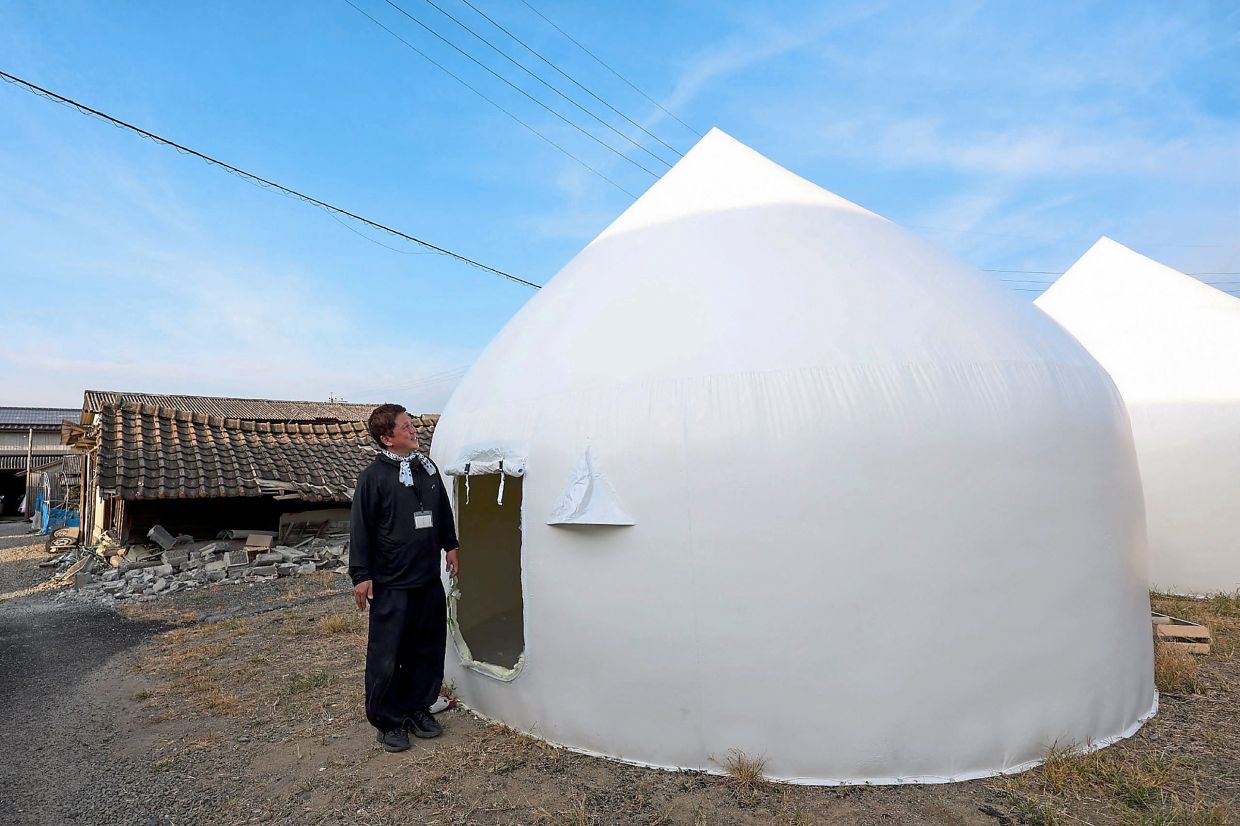
The death toll from Japan's devastating Kumamoto earthquake has climbed to 36, with authorities now confronting a grim reminder that natural disasters rarely unfold in isolation. An elderly woman found deceased in a stationary car without functioning air-conditioning represents not merely another casualty from the initial magnitude 7.1 tremor that struck Kyushu's southwestern prefecture, but rather a cautionary symptom of the cascading perils that follow catastrophic events. The woman's passing on Thursday, occurring precisely as meteorologists recorded extreme heat readings across the affected region, exemplifies the lethal convergence of infrastructure collapse and environmental stress that emergency managers have long feared.
The earthquake struck Kumamoto Prefecture on Japan's southern island on Tuesday with devastating force, triggering immediate search-and-rescue mobilisations across the prefecture. Yet as the week progressed, a secondary threat emerged with equal menace: soaring temperatures compounded by the absence of conventional shelter. The Meteorological Agency registered an extreme heat level of 36.6 degrees Celsius in Kumamoto city on Saturday, with forecasts suggesting further increases in coming days. This atmospheric hostility directly contributed to the tragedy, as tens of thousands of displaced residents sought refuge in whatever spaces remained accessible—a scenario that disaster response specialists have repeatedly identified as problematic.
Kumamoto Governor Takashi Kimura acknowledged the heartbreak of the incident whilst issuing urgent appeals to evacuees still sheltering within vehicles to maintain engine operation and air-conditioning systems or relocate to climate-controlled centres. The gubernatorial intervention reflects an emerging recognition that post-disaster fatalities frequently occur not from the initial seismic event but from the compounded vulnerabilities arising during the recovery phase. Authorities have begun distributing guidance leaflets urging shelter-seekers to remain in cooler environments, maintain adequate hydration, and perform regular physical movement to mitigate thrombosis risks—interventions grounded in medical evidence but necessarily reactive rather than preventive.
The prefecture continues battling profound logistical challenges that complicate relief efforts. Approximately 47,000 households remain without fresh water supplies, whilst fuel shortages persist across the region even as extreme heat intensifies demand for air-conditioning and transportation. More than 9,000 people occupy crowded evacuation facilities including converted community centres and school gymnasiums, many of which lack adequate climate control. Thousands of others, seeking privacy and fearing disease transmission in congested shelters, have opted to sleep in vehicles parked at municipal lots and public spaces—a choice that, while understandable from a psychological perspective, carries substantial health risks in elevated temperature conditions.
Japanese experts and civil protection advocates have consistently criticised the overcrowding that characterises the nation's emergency shelters, arguing that inadequate sanitation, privacy deprivation, and environmental stressors generate amplified health complications among already-traumatised populations. The Kumamoto situation validates these long-standing concerns, demonstrating how disaster response frameworks, despite best intentions, can inadvertently create secondary mortality pathways. Prime Minister Sanae Takaichi committed government resources to improving conditions at evacuation centres during a task force meeting, announcing deployment of water supplies, food provisions, portable sanitation facilities, air-conditioning units, and privacy partitions—essential interventions that highlight the systemic gaps in pre-disaster preparedness infrastructure.
The physical destruction wrought by the earthquake remains staggering. Over 180 homes have been completely destroyed whilst more than 3,800 structures sustained damage requiring assessment. One particularly tragic site involved the Aeon Mall in Kashima, where an explosion believed to stem from a gas leak caused catastrophic structural failure. The incident occurred after approximately 3,000 shoppers had been evacuated to a parking lot, yet several employees remained inside the facility when the explosion collapsed the building's second floor. Search operations at the mall site, which concluded on Saturday, recovered five survivors and seven bodies, representing one of the prefecture's most devastating individual incidents. The distinction between lives saved through rapid evacuation protocols and lives lost through delayed response underscores the critical importance of coordinated emergency procedures.
Search-and-rescue operations continue across the wider prefecture, with thousands of Self Defence Force personnel, police units, rescue workers, and trained detection dogs systematically combing through debris fields. The precise number of missing persons remains undetermined, perpetuating uncertainty about the earthquake's ultimate human toll. Beyond the 36 confirmed deaths, 105 individuals sustained injuries from the initial seismic event, whilst two additional deaths remain under investigation to establish causal linkage with the earthquake. These figures, substantial as they are, may underestimate the disaster's true impact when accounting for heat-related fatalities, stress-induced health complications, and indirect casualties emerging throughout the recovery period.
For Malaysian observers and Southeast Asian readers, the Kumamoto situation offers uncomfortable parallels regarding disaster preparedness and resilience infrastructure. The region's tropical climate and monsoon exposure create vulnerability to earthquakes, typhoons, and flooding events that could similarly overwhelm shelter capacity and sanitation systems. The Japanese government's advanced warning systems and coordinated response mechanisms, despite their sophistication, have proven insufficient to prevent secondary casualties. For developing nations across Southeast Asia with more constrained resources, the implications are sobering: investment in disaster resilience must encompass not merely earthquake-resistant building standards but comprehensive post-disaster welfare systems including climate-controlled shelter capacity, water and sanitation infrastructure, and protocols preventing vulnerable populations from seeking unsafe refuge in vehicles or damaged structures.
The convergence of extreme heat with disaster displacement represents an emerging climate-disaster nexus that will likely intensify as global temperatures continue rising. Kumamoto's experience suggests that future earthquake planning must explicitly incorporate meteorological conditions and seasonal temperature patterns into evacuation centre design and resource allocation. Malaysia and other tropical nations must similarly contemplate how their own extreme heat periods—particularly during Southwest Monsoon conditions—might intersect with seismic or severe weather events to create compounded health emergencies. The elderly woman's death in a parked car ultimately represents not merely an individual tragedy but a systematic failure at the intersection of infrastructure planning, climate adaptation, and humanitarian response.

