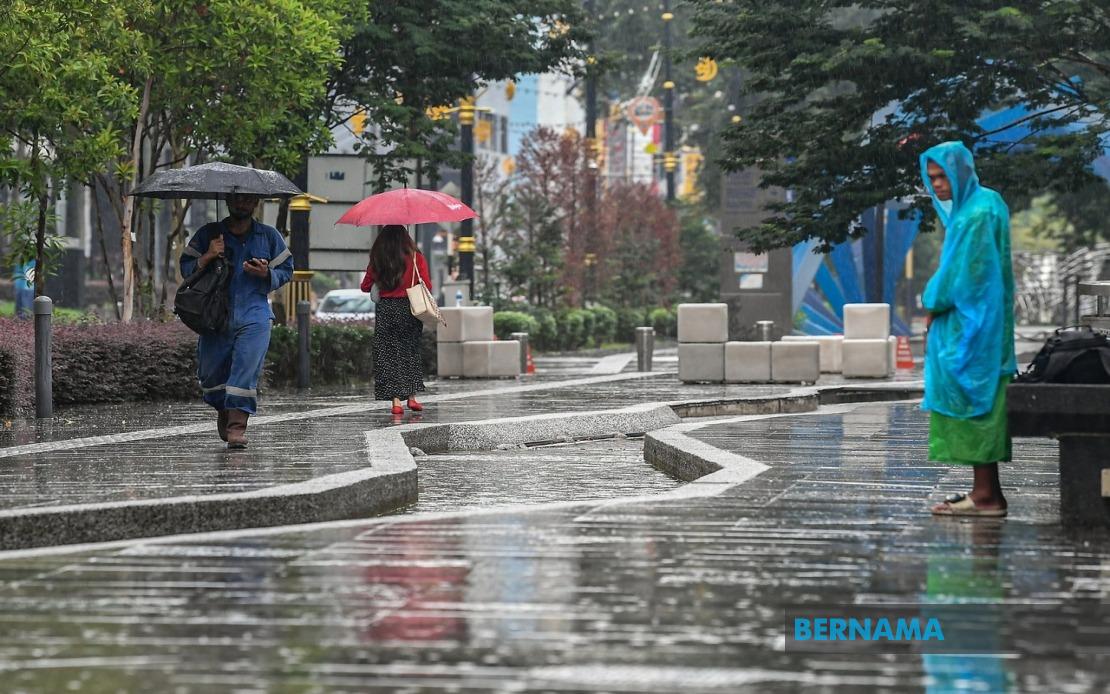
As Johor prepares for its state election, the Malaysian Meteorological Department has forecast wet weather across much of the state on nomination day tomorrow, potentially creating logistical complications for the hundreds of candidates and their supporters converging on 56 nomination centres. Azlai Ta'at, the Johor director of MetMalaysia, cautioned that rainfall will sweep across seven of the state's ten districts during the morning hours, forcing participants to contend with damp conditions as they navigate the nomination process. The weather pattern underscores the practical challenges that accompany major electoral events, where weather disruptions can affect turnout and the smooth administration of procedures. The affected districts include the major population centres of Johor Bahru, Muar, Batu Pahat, Kota Tinggi, Pontian, Tangkak and Kulai, while Segamat, Kluang and Mersing are expected to remain dry in the morning.
Temperature conditions will remain tropical and uncomfortable throughout the day. MetMalaysia's forecast indicates minimum temperatures ranging from 24 to 25 degrees Celsius, with daytime highs between 31 and 34 degrees Celsius across the state. Segamat is anticipated to experience the most intense heat, potentially reaching 34 degrees. These warm conditions, combined with the moisture from rainfall, will create humid circumstances that may test the endurance of candidates, campaign volunteers, and administrative staff supervising the nomination process. The meteorological department has advised all participants, particularly campaign supporters, to monitor weather developments and prepare accordingly for rapid changes in atmospheric conditions.
The nomination process itself will occur within a compressed timeframe, running from 9 am to 10 am across the 56 centres statewide. This brief window, mandated by electoral regulations, means that all candidates must lodge their nomination papers within this single hour before returning officers make formal announcements of eligible contenders. The rain forecast for morning hours falls squarely within this critical period, potentially creating bottlenecks at nomination centres as candidates and their proposers and seconders seek shelter or navigate wet conditions. The tight scheduling offers no flexibility to accommodate weather-related delays, placing pressure on the Election Commission's infrastructure and staffing.
Weather complications are expected to extend beyond the nomination period into the afternoon, when the official campaigning period commences immediately following candidate announcements. MetMalaysia forecast thunderstorms across seven districts—Johor Bahru, Segamat, Kluang, Kota Tinggi, Pontian, Mersing and Kulai—during afternoon hours, while Batu Pahat and Tangkak will experience general rain. Muar alone is projected to remain hot and mostly dry. This pattern means that campaigns launching their initial activities on nomination day will do so against a backdrop of severe weather, potentially dampening early momentum and limiting outdoor campaign activities. Thunderstorms, in particular, pose safety risks for large gatherings and outdoor rallies that candidates might traditionally employ to energise supporters immediately following their formal candidacy announcement.
The competitive landscape for the Johor election demonstrates significant fragmentation across the political spectrum, with major coalitions and smaller parties contesting all 56 seats. Pakatan Harapan is mounting a comprehensive challenge with candidates across all constituencies, combining 20 from PKR, 19 from Amanah and 17 from DAP. This represents a substantial organisational effort requiring coordination across three distinct parties with different internal structures and campaign philosophies. Barisan Nasional is similarly contesting every seat through its traditional component parties: 36 UMNO candidates representing the coalition's core strength, alongside 16 MCA and four MIC candidates. This maintenance of full-slate competition indicates that the election is being treated as consequential for coalition positioning and member-party influence within the broader national political architecture.
Perikatan Nasional presents a more complex picture, with its component parties distributing seats unevenly. PAS has selected 11 seats for contested, reflecting strategic choices about where it believes it can mobilise its organisational base and voter appeal. Bersatu is fielding 16 candidates, a substantial commitment from the party founded around Mahathir Mohamad's political vehicle. The Malaysian Indian People's Party will contest five seats, while Pejuang is attempting entry with a single candidacy. This distribution suggests that Perikatan Nasional has not achieved the unified seat allocation that typically characterises coalition campaigns, instead permitting component parties considerable autonomy in selecting their battlegrounds. This structure may indicate either confidence that parties can outcompete each other's natural rivals or difficulty in negotiating a coherent division of labour.
Additional smaller parties are also participating, demonstrating how state elections in Malaysia serve as testing grounds for emerging political entities and alternative movements. The Malaysian United Democratic Alliance will contest four seats, whilst Parti Sosialis Malaysia maintains symbolic presence through a single candidacy. Most notably, Parti Bersama Malaysia is making its electoral debut by contesting 15 seats, a significant commitment for a new entrant that suggests the party has built organisational capacity and believes it possesses voter demand in specific districts. This proliferation of options, combined with the three major competing coalitions, could fragment the vote substantially, potentially creating outcomes where candidates win with modest vote shares in multi-way contests.
The Electoral Commission has structured the overall campaign timeline strategically, with early voting scheduled for July 7 and polling day fixed for July 11. This four-day interval between early voting and general polling provides candidates with a final push period while minimising the duration of intensive campaigning that could generate fatigue or voter irritation. The early voting provision will likely appeal to voters with mobility constraints, occupational commitments, or anticipated travel, though uptake will depend on public awareness and accessibility of early voting locations. The July 11 polling date follows a relatively compact campaign period compared to some federal elections, potentially limiting the candidates' opportunities to fundamentally shift voter perceptions through prolonged engagement.
The electoral roll encompasses 2,727,926 registered voters, a substantial base that reflects Johor's status as a major population centre and economic hub within Malaysia. This comprises 2,703,175 ordinary voters—the primary election constituency—alongside 12,041 military personnel and spouses and 12,710 police personnel and spouses. The separate enumeration of security force voters reflects specific Electoral Commission procedures governing their participation, with these groups typically voting either in advance or at designated polling stations separate from civilian locations. The total electorate figure demonstrates that Johor's state election commands stakes comparable to federal elections in less populous states, making it significant both for Johor's governance and for its implications regarding voter sentiment that may foreshadow broader national trends.
The rain forecast on nomination day carries broader symbolic and practical implications for Malaysian electoral administration. Weather disruptions, whilst seemingly minor administrative challenges, can subtly influence voter perceptions of candidate commitment and campaign organisation. Candidates who appear energetic and accessible despite adverse conditions may gain marginal reputation advantages, whilst those perceived as being deterred by weather might face implicit questions about resilience. Additionally, morning rain could suppress the visible turnout of supporters at nomination centres, potentially affecting media coverage and public perception of candidate popularity. The afternoon thunderstorms pose safety considerations for campaign launches and require logistical adjustment from candidates who had planned immediate ground activities. Overall, the meteorological forecast serves as a reminder that electoral processes operate within environmental constraints that demand contingency planning and administrative flexibility from both electoral authorities and competing political actors.

