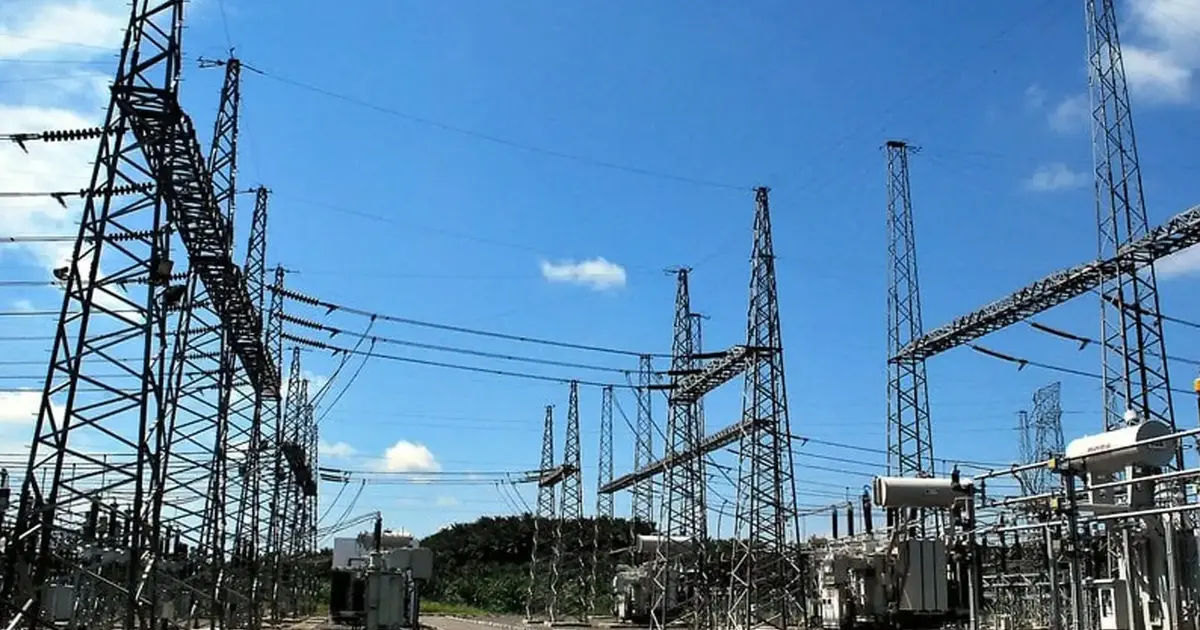
HG Power Transmission has emerged from a Malaysian Anti-Corruption Commission investigation without facing further legal action, according to a disclosure filed with Bursa Malaysia. The company, through its parent entity Rohas Chemicals International Sdn Bhd, announced via stock exchange filing that authorities had determined their examination was complete and warranted no additional proceedings. This development marks a significant turning point for the energy infrastructure firm, which had endured the uncertainty and operational constraints accompanying the investigation period.
The cessation of the MACC probe brings welcome relief to the company's operations and stakeholders. Beyond the simple conclusion of inquiries, the announcement carries profound implications for asset recovery. With the investigation formally concluded, the earlier seizure orders that had restricted the company's access to its own resources are now being reversed. This restoration of asset control could prove materially important for HG Power Transmission's ability to conduct business normally and pursue commercial opportunities that may have been constrained during the investigation phase.
For Malaysian investors and the broader business community, the resolution demonstrates the formal investigation mechanisms at work within the country's corporate governance framework. The case illustrates how companies can face intensive scrutiny from anti-corruption authorities and subsequently emerge without sanction, provided their conduct withstands examination. This outcome reinforces that investigation does not inherently connote wrongdoing, though the period of uncertainty itself imposes genuine costs on enterprises subject to such processes.
The timing and public announcement through formal disclosure channels reflect the company's commitment to transparency with its stakeholders. Listed companies in Malaysia must adhere to strict reporting requirements, ensuring that material developments—including the outcome of regulatory investigations—reach investors promptly and consistently. This communication approach maintains market confidence by preventing information asymmetry and demonstrating management's accountability to shareholders. The filing serves as official documentation that the uncertainty phase has definitively ended.
HG Power Transmission operates within the energy transmission sector, an industry of strategic importance to Malaysia's infrastructure and economic development. Power transmission networks form the backbone of national electrification efforts and industrial capacity. Any prolonged disruption to companies in this space carries broader implications beyond the enterprise itself. The conclusion of the MACC investigation therefore benefits not only the company and its shareholders but potentially the energy supply chain and related stakeholders dependent on reliable transmission infrastructure.
The revocation of seizure orders opens avenues for the company to redeploy resources previously locked up during the investigation period. Business continuity had arguably been affected by the freeze on assets, limiting operational flexibility and potentially constraining capital deployment decisions. With restrictions lifted, management can now pursue strategic initiatives, invest in network improvements, or allocate resources to maintain competitive positioning within the energy sector. The practical resumption of normal asset management represents a return to standard commercial operations.
Investigations by the Malaysian Anti-Corruption Commission carry significant weight in the corporate landscape, as the agency maintains broad mandates to examine potential breaches of conduct standards and regulatory compliance. Companies subjected to such probes often experience share price volatility, operational uncertainty, and reputational considerations, regardless of eventual outcome. The resolution in HG Power Transmission's case demonstrates that rigorous investigation can conclude without establishing misconduct, providing reassurance to the company's business partners and clients about its regulatory standing.
The energy transmission sector in Southeast Asia remains dynamic and increasingly critical as countries pursue electrification targets and renewable energy integration. Malaysia's own transition toward cleaner energy sources places transmission companies in positions of strategic importance. Companies like HG Power Transmission will face continued scrutiny not only from corruption prevention authorities but also from regulators overseeing technical standards, safety compliance, and environmental impact. The clearance from the MACC investigation represents one significant regulatory checkpoint successfully navigated.
Looking forward, the company can now focus management attention and financial resources on core business operations without the distraction and constraints of an active investigation. Stakeholder confidence typically rebounds once regulatory uncertainty resolves positively. Clients, business partners, and investors may view the MACC clearance as validation that the company's governance structures and operational practices meet regulatory standards. This restoration of normal status could facilitate new business opportunities that may have been deferred during the investigation period.
The broader context of anti-corruption enforcement in Malaysia continues to evolve, with the MACC maintaining high-profile investigative activities across public and private sectors. This particular case adds to the body of corporate-sector investigations, demonstrating the agency's engagement with energy infrastructure entities. While investigations inevitably create temporary business friction, their conclusion—particularly when exonerating—reinforces rather than undermines confidence in Malaysia's regulatory framework and commitment to transparent, accountable governance standards.
For HG Power Transmission specifically, the removal of investigation status and asset seizure restrictions represents closure on a difficult chapter. The company can now operate without the constraints and uncertainty that typically characterise the investigative phase. Stakeholders, from customers dependent on transmission services to investors holding equity interests, can move forward with greater clarity regarding the company's regulatory standing and operational stability within the energy infrastructure landscape.

