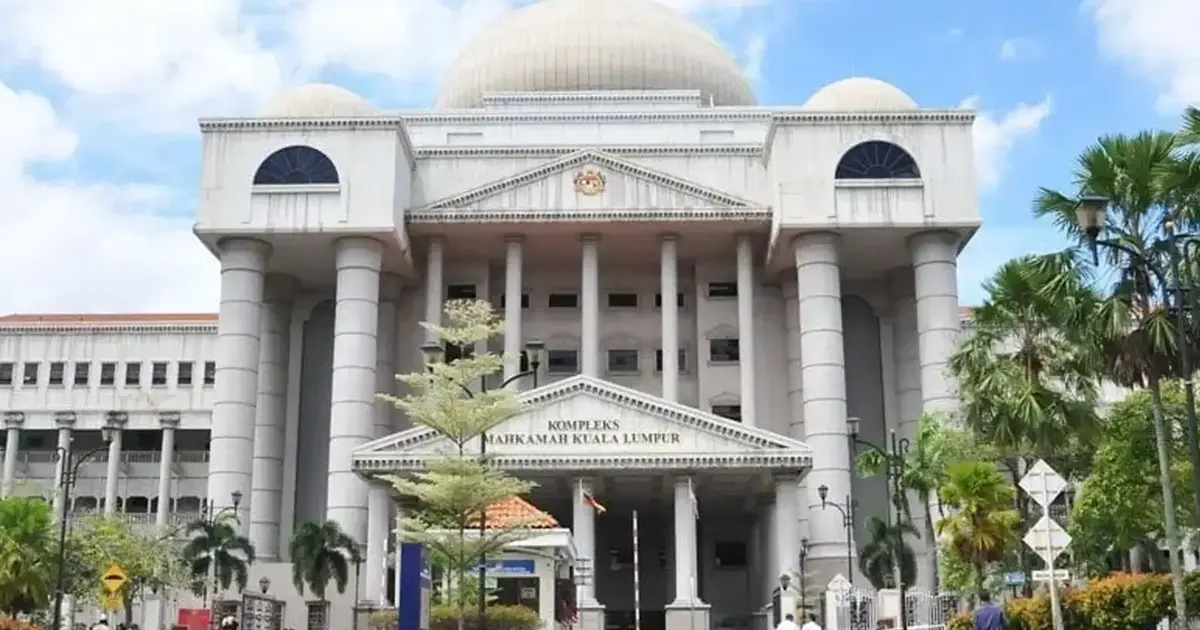
The High Court has issued a domestic Mareva injunction freezing over RM14 million in assets held by the East West group, a significant development in a civil dispute involving the oil palm conglomerate and its investors. The court order represents a protective measure designed to safeguard assets within Malaysia's jurisdiction, ensuring that sufficient funds remain available should the plaintiffs prevail in their legal challenge against the company.
A Mareva injunction is an interim court order that restrains a defendant from disposing of or transferring assets, typically employed when there is genuine concern that a defendant might dissipate wealth before a final judgment is rendered. In this instance, the judge determined that the circumstances warranted such protective intervention, indicating substantial grounds existed that the East West group might otherwise relocate or conceal assets beyond the reach of Malaysian courts.
The oil palm sector has long been central to Malaysia's economy, generating considerable export revenues and employment. However, the industry has also become a focal point for governance and investment disputes, particularly as international scrutiny of supply chain practices has intensified. The East West group, operating within this complex landscape, now faces court-imposed restrictions on its financial flexibility pending resolution of the civil matter.
The decision to grant the injunction reflects judicial concern regarding asset protection in cross-border or complex corporate structures. Malaysia's courts have demonstrated increasing willingness to employ such remedies when investors allege mismanagement, breach of contract, or misappropriation of funds. This particular case underscores the vulnerability of minority or external investors when dealing with established conglomerates, where information asymmetries and control mechanisms can disadvantage those without operational involvement.
For the affected investors, the frozen assets provide concrete assurance that their potential recovery will not be undermined by strategic asset transfers prior to trial. The RM14 million figure suggests this is not a minor dispute but rather involves substantial sums that could meaningfully impact the plaintiffs' financial position. The injunction essentially levels the playing field between parties of unequal resources and institutional power.
The East West group now operates under significant financial constraints. Beyond the immediate restriction on the frozen assets, the injunction carries reputational implications within business and financial circles. Companies facing such court orders may find it more difficult to secure credit facilities, attract new investors, or maintain existing commercial relationships, as financial institutions and partners routinely conduct due diligence that would reveal such encumbrances.
This development carries broader implications for corporate governance within Malaysia's resource extraction industries. The willingness of courts to grant asset freezes signals that judicial oversight will not be circumvented by corporate manoeuvring. It reinforces the principle that founders, executives, and controlling shareholders cannot operate with impunity when investor capital is at stake, particularly where allegations suggest deliberate concealment or breach of fiduciary duty.
The regional context matters here as well. Southeast Asia has seen numerous high-profile corporate disputes involving asset concealment and jurisdictional challenges. Malaysia's decisive action in this case demonstrates that its courts possess both the legal tools and the institutional resolve to prevent asset dissipation, potentially enhancing investor confidence in the Malaysian legal system. This is particularly important for attracting legitimate investment into resource-dependent sectors where questions about governance and transparency frequently arise.
The civil suit itself remains pending, with the Mareva injunction representing merely a preliminary protective step rather than a judgment on the merits of the dispute. However, the court's decision to freeze assets provides a signal regarding the judge's assessment of the plaintiffs' prospects and the credibility of their concerns. Such interim orders are not granted lightly, and their issuance typically indicates the court found sufficient evidence of wrongdoing or risk to justify extraordinary intervention in the defendant's property rights.
For the oil palm industry more broadly, this case reinforces the increasing legal complexity and regulatory scrutiny accompanying large-scale operations. Companies operating in this sector must maintain transparent governance structures, robust shareholder communication, and scrupulous financial management. The costs of litigation and reputational damage following disputes over investor treatment have become material considerations in strategic planning and capital allocation decisions.
The frozen assets will likely remain encumbered until the civil suit concludes or the parties reach a negotiated settlement. During this period, the East West group operates under constrained circumstances, unable to freely deploy capital for expansion, dividend distributions, or strategic investments. This frozen state creates pressure on all parties to achieve resolution, potentially accelerating settlement discussions where both sides recognize the costs of prolonged litigation.
The outcome will ultimately depend on the substantive merits of the investor claims and the strength of evidence presented by each side. Nevertheless, the Mareva injunction has already achieved its primary purpose: demonstrating that Malaysian courts will employ all available legal mechanisms to prevent defendants from circumventing investor protection and ensuring that justice is not rendered hollow by the strategic disappearance of recoverable assets.

