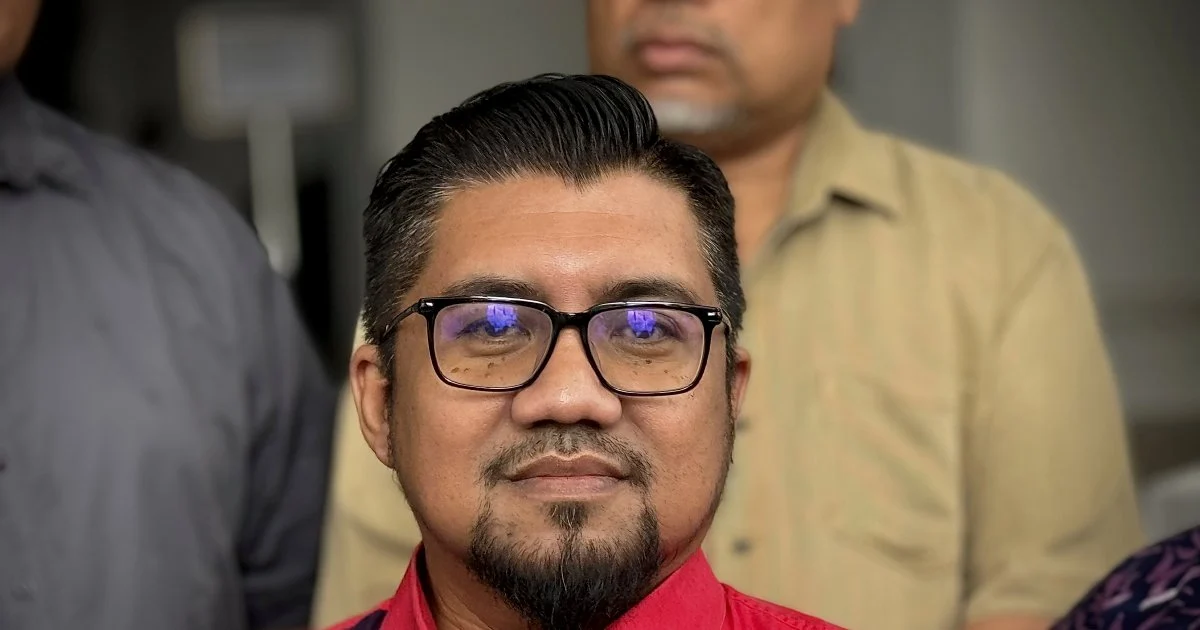
The Malaysian High Court has made a significant reversal in a closely watched defamation case, ordering political activist Badrul Hisham Shaharin, widely known as Che'gu Bard, to enter his defence on charges of defaming His Majesty Sultan Ibrahim, the King of Malaysia. This development marks a pivotal moment in the ongoing legal proceedings, which centre on statements the activist made regarding an alleged audience between His Majesty and various political figures that reportedly took place two years prior.
The High Court's decision to overturn the earlier acquittal represents a substantial change in the legal trajectory of the case. Initially, Badrul Hisham had been cleared of the defamation allegations, a verdict that appeared to conclude the matter. However, the reversal means the proceedings will now advance to the defence stage, placing the burden on the accused to present his case before the court. This judicial about-face signals that the court found sufficient grounds to continue examining the allegations, despite the previous determination in the activist's favour.
Badrul Hisham Shaharin has become a prominent figure within Malaysia's political activism circles, known for his vocal commentary on national governance and political matters. The statements that form the basis of this case relate to his comments about a purported meeting between His Majesty and political leaders. Such discussions, when they involve the monarchy, carry heightened legal sensitivity in Malaysia, where laws protecting the dignity and honour of the royal institution are stringently enforced. The defamation charge against Shaharin underscores the intersection between freedom of expression and protections afforded to the Crown.
The case itself reflects broader tensions within Malaysian society regarding the boundaries of public discourse. Political activism and commentary on governance are integral to democratic participation, yet Malaysia's legal framework includes several provisions designed to safeguard the Crown from harmful statements. The defamation law, in particular, establishes consequences for individuals who make statements deemed to harm the reputation or dignity of protected figures, including the King. This legal framework aims to maintain institutional respect while critics argue it can create chilling effects on public discourse.
The timing of the original audience in question, occurring two years before the activist's statements, adds another layer to the narrative. The passage of time between the alleged event and Shaharin's public comments raises questions about the nature of the statements themselves and whether they constituted defamatory assertions or represented a good-faith effort to comment on matters of public interest. Such distinctions often become central to defamation cases, as courts must weigh the veracity and intention behind statements against protections for lawful expression.
For Malaysian legal observers, this case exemplifies the ongoing evolution of judicial interpretation regarding defamation law and its application to public figures and institutions. The High Court's decision to order the defence suggests the judiciary determined that there existed a prima facie case meriting continued examination. This determination does not prejudge the ultimate outcome but indicates the court's assessment that sufficient material exists to warrant a full hearing of the matter, rather than dismissing it at an earlier stage.
The reversal carries implications for the broader ecosystem of political activism and media commentary in Malaysia. Activists and commentators will view this development with particular interest, as it demonstrates that even acquittals in defamation cases involving the Crown may not provide final protection from further judicial action. This uncertainty can influence the willingness of public figures and activists to engage in commentary on politically sensitive matters, particularly those touching on royal institutions.
For Badrul Hisham, the necessity to mount a defence represents a substantial legal burden. He must now prepare arguments and evidence to counter the defamation allegations, a process that requires considerable resources, legal expertise, and time. The defence phase will likely involve examination of the exact statements made, their context, the truthfulness of any factual assertions, and whether they crossed the line from permissible commentary into actionable defamation against the Crown.
The Malaysian legal system's treatment of defamation cases involving the monarchy reflects the country's constitutional framework, which affords special protection to the institution of the monarchy. Article 10 of the Malaysian Constitution establishes limits on freedom of speech, and these limitations extend to protecting the Crown from statements deemed defamatory. Courts must therefore balance the constitutional protection of the monarchy against the constitutional guarantee of freedom of expression, a tension that remains unresolved in many jurisdictions globally.
Observers of Malaysian politics and law will be monitoring the defence proceedings closely, as the outcome may establish precedent for how courts approach similar cases in future. Whether the court ultimately finds in favour of the Crown or the activist, the judgment will contribute to evolving jurisprudence on the scope of permissible public commentary regarding royalty and the application of defamation law in a contemporary political context.
The case also illuminates questions about institutional relationships between activists, media, and the Crown in Malaysia. As the nation continues to experience political flux and evolving public discourse, legal cases such as this one serve as markers of where society and its institutions draw boundaries around acceptable speech and respect for established institutions. The reversal of acquittal and progression to the defence stage ensures that these fundamental questions will receive continued judicial scrutiny and public attention.

