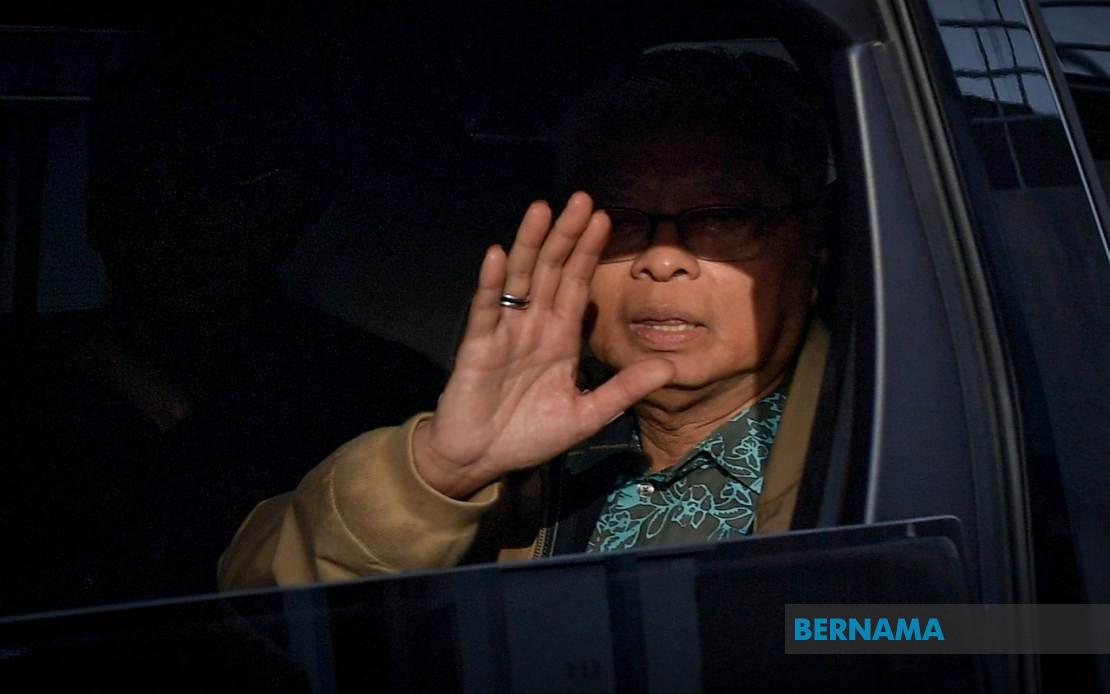
A High Court judgment delivered on October 18, 2024, has reinforced the acquittal of content creator and blogger Jufazli Shi Ahmad, whose case centred on allegations related to offensive YouTube videos and his refusal to disclose account credentials to police. Judge Datuk Aslam Zainuddin dismissed the prosecution's appeal after careful review of court records and submissions from both legal teams, affirming the lower court's decision to discharge and acquit the defendant entirely.
The original charges against Jufazli stemmed from content posted to his 'King Maker Politik' YouTube channel on June 27, 2022, which prosecutors argued was offensive in nature and intended to cause annoyance to former Prime Minister Datuk Seri Ismail Sabri Yaakob and the ruling UMNO party. The video was flagged by investigators at the Criminal Investigation Division of Dang Wangi District Police Headquarters on July 1, 2022, just days after its upload. The case subsequently became emblematic of broader concerns among civil liberties advocates regarding the scope of Malaysia's online content regulations and police investigative powers.
Under the Communications and Multimedia Act 1998, the initial charge carried substantial potential consequences. The provision invoked—Section 233(1)(a)—carries maximum penalties of RM50,000 in fines or up to one year's imprisonment, with additional daily fines of RM1,000 accruing after conviction. These penalties underscore the seriousness with which Malaysian law treats digital communications deemed offensive, reflecting the regulatory framework's broad interpretation of what constitutes legally problematic online speech.
A secondary charge related to Jufazli's alleged refusal to furnish the password to his YouTube account when requested by police on July 5, 2022, at the Dang Wangi headquarters. This charge, framed under Section 249 of the same Act, carried even harsher potential consequences—up to RM100,000 in fines or two years' imprisonment. The password refusal charge highlights how police investigative procedures interact with digital access rights, raising questions about the balance between law enforcement needs and individual privacy protections.
The prosecution's case, presented by Deputy Public Prosecutor Mohamad Fadhly Mohd Zamry, ultimately proved insufficient to convince the Sessions Court judge that charges had been adequately substantiated. Jufazli's legal representation by lawyer Ramesh N.P. Chandran successfully navigated both the initial trial and the subsequent appellate process, demonstrating the importance of specialist counsel in complex digital law matters. The appellate stage required Judge Aslam to review the Sessions Court's reasoning, the evidentiary record, and legal arguments from both sides before confirming the acquittal.
The timing of this case proves particularly significant within Malaysia's political landscape. Ismail Sabri Yaakob's tenure as Prime Minister lasted from August 2021 to August 2022, meaning the contested YouTube posts were created during the final weeks of his administration. The case thus intersects with the contentious political period when Umno's position faced considerable scrutiny, making judicial decisions about criticism of political figures especially noteworthy for implications regarding political speech protections.
This judgment contributes to an evolving jurisprudence around digital communications in Malaysia. Courts have increasingly been called upon to interpret what constitutes genuinely offensive versus merely critical or controversial online content. The distinction proves crucial because legitimate political commentary and criticism should ordinarily receive legal protection in democratic systems, yet broad legislative language sometimes conflates offensive material with protected speech. The acquittal suggests at least one tier of Malaysian courts is applying such provisions with proportionality in mind.
The case also illuminates practical police procedures regarding digital investigations. When officers seek access to private accounts, they must navigate both technical and legal realities—accounts cannot function without passwords, yet compelling disclosure raises privacy concerns. The second charge's dismissal may indicate judicial reluctance to penalise individuals for non-cooperation with investigative requests without clearer legal precedent or statutory guidance on the circumstances permitting compulsory disclosure demands.
For content creators and digital media participants across Southeast Asia, the acquittal provides reassurance that courts may scrutinise government and law enforcement interpretations of online harm more critically. Malaysian courts have previously upheld convictions under similar provisions, meaning outcomes depend heavily on specific factual circumstances and judicial reasoning. However, this judgment demonstrates that allegations of offensive digital content do not automatically result in conviction, and defensive arguments centred on legitimate political expression retain legal weight.
The broader implications extend to how Malaysia calibrates regulations balancing public order concerns with expressive freedoms. The Communications and Multimedia Act remains a primary enforcement tool for authorities addressing contested online speech, yet judicial interpretations increasingly emphasise that mere offensiveness or annoyance require additional substantiation before warranting criminal liability. This developing jurisprudence may gradually narrow the effective scope of provisions applied extraordinarily broadly in earlier cases.
For Southeast Asian democracies grappling with similar questions about online regulation, Malaysia's experience offers instructive lessons about how broad statutory language can create ambiguity without clear limiting principles. The acquittal does not invalidate the legislation itself, but rather demonstrates that courts can provide important guardrails preventing expansive interpretations that would chill legitimate political participation and commentary. Jufazli's case ultimately succeeded because judicial analysis distinguished between protected political criticism and genuinely harmful offensive communication.
Looking forward, this judgment may influence how prosecutors approach cases involving political criticism online, potentially rendering them more cautious about pursuing charges against individuals merely expressing political views through digital platforms. The precedent does not establish absolute immunity for online political speech, but rather indicates that conviction requires more than subjective claims of annoyance or offensive intent. Such judicial moderating influences prove essential for maintaining space for democratic political discourse in increasingly digital public spheres.

