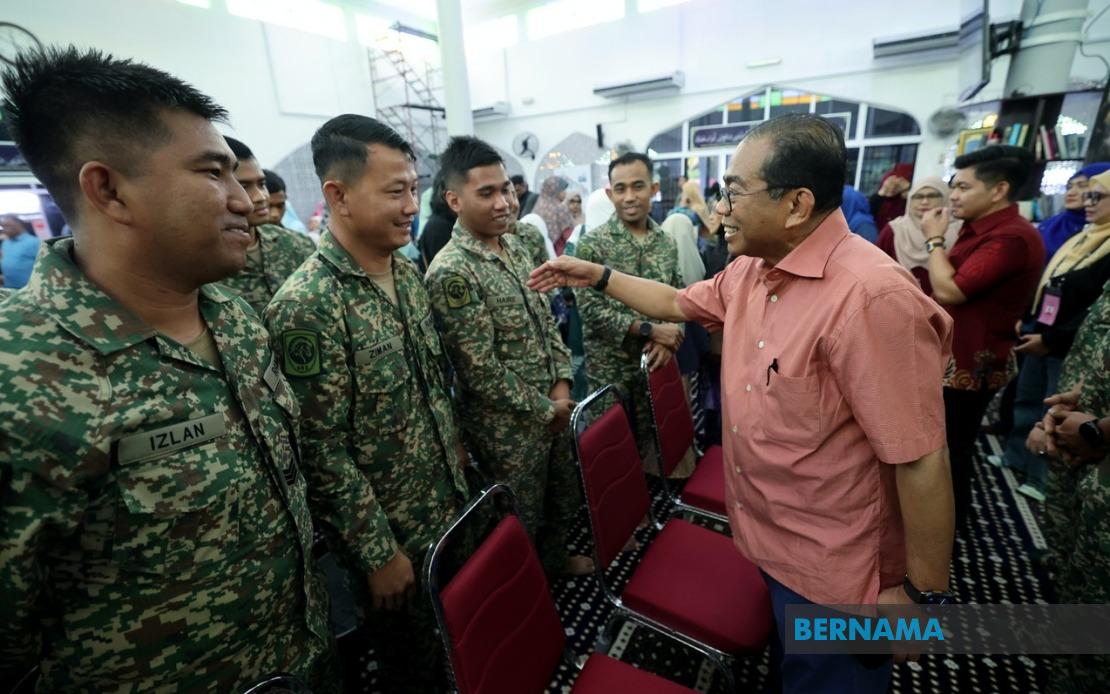
Defence Minister Datuk Seri Mohamed Khaled Nordin has indicated that findings from the investigation into a fatal grenade explosion at Hobart Camp in Gurun will reach the Ministry of Defence by the middle of this month. The minister disclosed this timeline while addressing reporters at an 'Ilmu dan Muafakat' programme in Kota Tinggi on July 5, confirming that investigators are putting finishing touches on their report ahead of formal submission.
The incident under investigation occurred on June 16 when a grenade detonated during a training exercise, claiming the lives of two military personnel. Corporal Norazmi Abu Bakar, serving with the Sixth Battalion, Royal Malay Regiment, and Private Siti Khadijah Sungip of the First Squadron, Royal Engineers Regiment, both sustained critical injuries in the blast. Emergency responders transported them to Sultan Abdul Halim Hospital in Sungai Petani, but both were pronounced dead during the journey to medical care. The loss of two trained soldiers in what should have been a controlled training environment has intensified scrutiny on safety protocols across military installations.
Beyond the immediate investigation into the June 16 tragedy, the Defence Minister revealed that the Malaysian Army has been instructed to conduct a broader evaluation of its training methodologies. This comprehensive review reflects growing concerns about safety management at the facility, particularly given that another serious incident unfolded at the same location just two weeks after the fatal explosion. The directive to examine training approaches signals recognition that isolated incidents may indicate systemic vulnerabilities requiring urgent remediation.
On June 29, a second accident struck Hobart Camp when a firearm unexpectedly discharged during a combat enhancement training exercise. Sergeant Mohamad Firdaus Che Shaharudin and Corporal Felix Franchis of the Fourth Battalion, Royal Ranger Regiment, both sustained leg injuries after being struck by shrapnel. The incident occurred at approximately 6.15 pm and resulted in both personnel receiving medical treatment for their wounds. The clustering of two serious incidents within a fortnight at the same installation has raised questions about whether adequate safety measures and training supervision exist.
Mohamed Khaled indicated that the Defence Ministry will await the formal investigation conclusions before determining the appropriate policy response. He stated that authorities need to establish whether additional vulnerabilities or procedural gaps exist beyond those already identified. This cautious approach prioritises evidence-based decision-making over reactive measures, suggesting the ministry intends to implement corrections grounded in thorough investigative findings rather than knee-jerk responses. The emphasis on completing a full assessment reflects institutional prudence, though it may also frustrate those seeking immediate accountability.
For Malaysian defence personnel and their families, the incidents underscore the inherent risks of military training. While comprehensive training is essential for operational readiness, the recent accidents highlight the critical importance of robust safety protocols, equipment maintenance, and supervisor competency. The Defence Ministry's commitment to a thorough review may help restore confidence in the institution's commitment to protecting those who train and serve. Personnel at Hobart Camp and other installations will likely scrutinise whether subsequent policy changes translate into genuine improvements on the ground.
The Defence Minister's assurance that the report will be submitted by mid-month sets a specific accountability marker. This timeline allows the ministry to move forward with remedial actions if warranted while maintaining sufficient investigation rigour. Should the ministry encounter delays, questions may arise about the investigation's thoroughness or the complexity of determining causation and responsibility. The coming weeks will reveal whether the promised deadline holds and what substantive reforms emerge from the inquiry process.
From a broader regional perspective, military training accidents occur across Southeast Asia, yet how nations respond determines institutional credibility. Malaysia's transparent acknowledgement of the incidents and commitment to investigation contrasts with opaque handling in some neighbouring countries. However, transparency alone is insufficient; genuine reforms and verifiable improvements in safety culture must follow. Defence personnel across the region will watch how the Malaysian Army translates inquiry findings into concrete operational changes.
The incident also touches on occupational health and safety in the defence sector, an area where Malaysia can establish stronger standards. Private corporations in Malaysia operate under rigorous workplace safety frameworks; applying similarly rigorous standards to military training would demonstrate that state institutions prioritise personnel welfare as seriously as commercial entities do. The Defence Ministry has an opportunity to model exemplary safety practices that enhance both operational effectiveness and personnel confidence.
Stakeholders ranging from military families to defence analysts await clarity on how the incidents occurred and what systemic factors contributed. The investigation report will likely address equipment condition, training design, supervision levels, and whether protocols were properly followed. These details matter enormously for restoring institutional confidence and for validating the corrective measures the ministry subsequently implements. A credible investigation builds trust; a superficial one erodes it.

