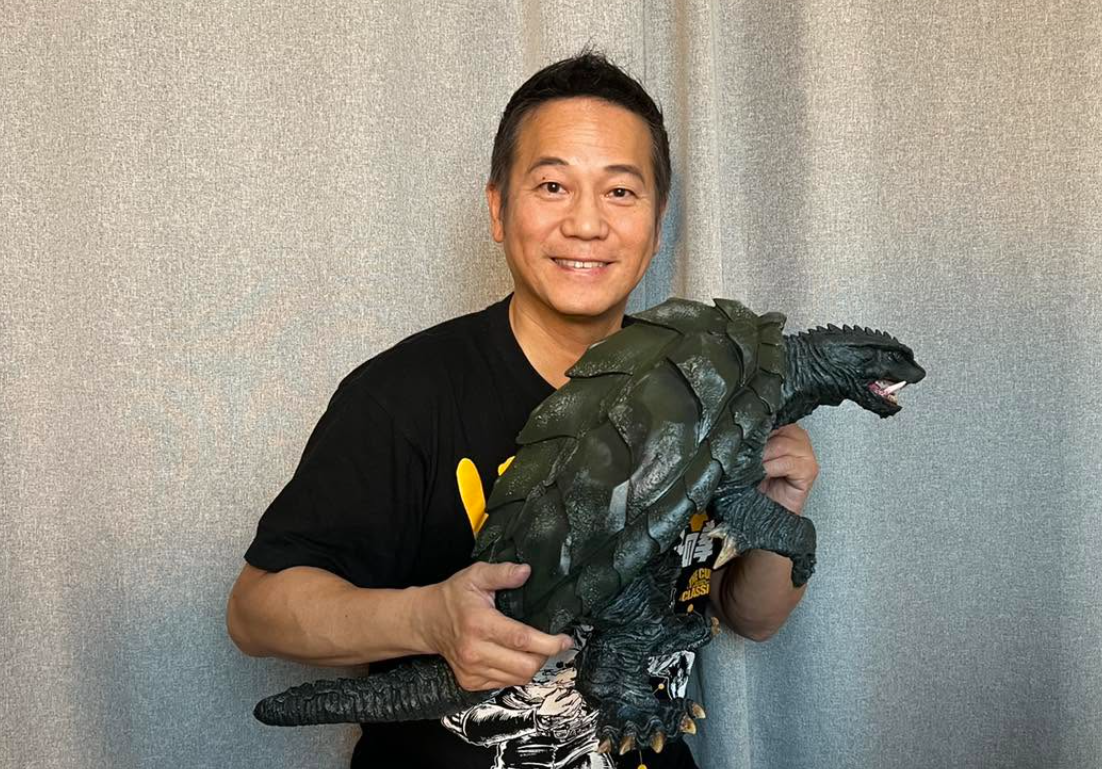
Hong Kong actor Stephen Au and his wife Phyllis Man, married since 1997, have settled into life in Vancouver over the past four years, and both are adamant they made the right decision to leave Asia's most vibrant entertainment hub behind. In a recent web-based interview, the couple reflected openly on their experience, making clear that the transition, while significant, has proven deeply rewarding in ways neither anticipated when they first arrived in Canada.
At 63, Au articulated the fundamental appeal of his adopted city with refreshing candour. The relocation allowed him to shed the relentless social obligations and competitive pressures that characterised his decades in Hong Kong's entertainment sector. Where the territory's film and television industry demands constant visibility, networking, and public engagement, Vancouver offered something radically different: genuine breathing room. Au no longer feels compelled to maintain an exhausting calendar of social commitments or meet acquaintances simply to preserve professional relationships. This liberation has proved transformative for his mental and emotional wellbeing.
The cultural adjustment itself, Au explained, hinges largely on approach and attitude. By treating the local community with genuine courtesy and respect, newcomers like himself find acceptance and integration remarkably straightforward. The Canadian social fabric, he observed, rewards politeness and earnestness in ways that facilitate belonging without requiring the performative exhaustion his previous life demanded. This observation carries particular significance for Southeast Asian expatriates considering relocation to North America, suggesting that cultural fit depends less on origin and more on demeanour and reciprocal goodwill.
Perhaps most strikingly, Au's creative output has surged during his Canadian period. He has authored five complete books in four years—a productivity rate that would have been impossible amid Hong Kong's gruelling industry calendar. This creative flourishing reflects not merely newfound free time, but a psychological environment conducive to deep work and sustained artistic focus. The absence of constant industry demands has paradoxically made him a more prolific creator, challenging assumptions that geographic proximity to entertainment infrastructure necessarily correlates with artistic output.
Man revealed a poignant detail about her husband's creative rediscovery: for nearly two decades, Au had accumulated an extensive collection of model kits whilst residing in Hong Kong, but his punishing work schedule meant they remained sealed in their original packaging, gathering dust as monuments to deferred pleasure. Only upon arriving in Vancouver did he finally possess sufficient leisure to unpack these items and explore the detailed, meditative craft of model building. Au now constructs elaborate pieces entirely from scratch, utilising foam boards and clay to create intricate designs—work that demands patience, precision, and the kind of sustained concentration that Hong Kong's frantic pace had rendered impossible.
Despite embracing this decelerated existence, Au harbours no intention of abandoning performance altogether. Rather, he has strategically redirected his theatrical energies toward stage work, a medium permitting deeper character exploration and community engagement than his previous screen-based career. This pivot reflects a mature recalibration of professional ambition, prioritising meaningful artistic expression over industry prominence or commercial returns. He continues participating actively in theatrical productions, maintaining creative engagement whilst operating within a framework that respects his new lifestyle priorities.
The structural differences between theatrical production cultures in Hong Kong versus Vancouver illuminate why Au's transition has proved so satisfying. A theatrical project requiring merely two months of preparation in Hong Kong's compressed, high-pressure environment typically demands four months in Vancouver, where teams pursue gradual refinement and iterative development. Rather than viewing this extended timeline as inefficiency, Au has come to appreciate it as a feature rather than a flaw. The Canadian approach privileges considered artistry over rapid output, allowing creative teams to explore nuance and depth that commercial speed often sacrifices.
Crucially, Au emphasises that this different working rhythm reflects fundamentally distinct professional values rather than simple laziness or incompetence. Vancouver's theatrical community operates from a foundation of shared passion and sincere artistic commitment, qualities that sometimes become obscured in Hong Kong's high-stakes, commercially driven entertainment ecosystem. The colleagues Au collaborates with in Canada demonstrate genuine investment in their craft for its own sake, an orientation that refreshes and reinvigorates his approach to performance after decades in a more mercenary industry.
Beyond personal satisfaction, Au derives profound meaning from his current work through cultural ambassadorship. By bringing Hong Kong cultural narratives and artistic traditions to Vancouver audiences largely unfamiliar with these traditions, he feels he contributes something genuinely valuable to his adopted community. This sense of cultural bridge-building provides the kind of existential satisfaction that commercial success alone rarely delivers. For Au, this mission—rendering Hong Kong culture comprehensible and moving to Western audiences—represents the culmination of his artistic journey, suggesting that relocation need not represent career termination but rather transformation toward more purposeful creative contribution.

