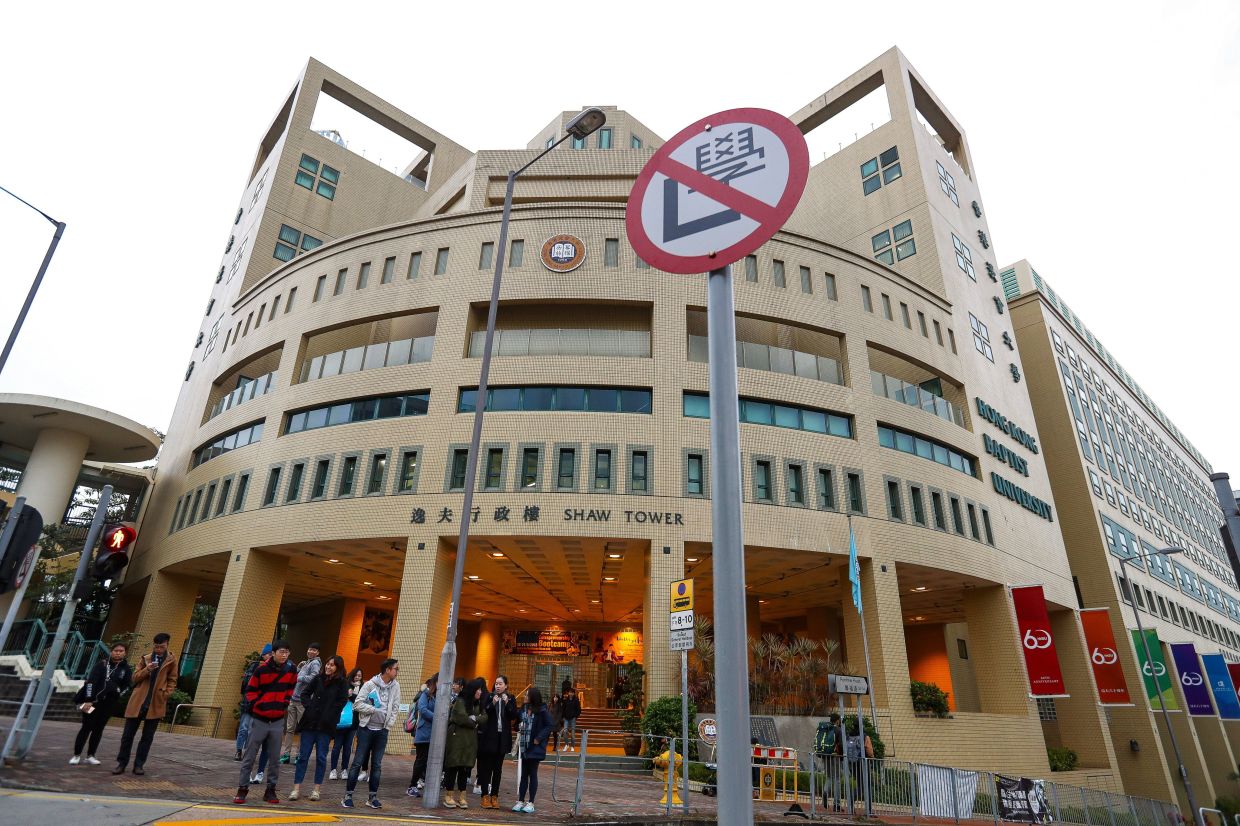
Hong Kong Baptist University is conducting a comprehensive review of its information technology security infrastructure following allegations from a prominent ransomware-for-hire group that it has unlawfully accessed sensitive institutional data. The cybercriminal collective known as "The Gentlemen" made public claims this week of breaching the university's systems, marking another high-profile incident in a growing wave of cyberattacks targeting educational institutions across Asia. The university's acknowledgement of the alleged breach comes as Hong Kong's data protection authorities move to establish the scope and severity of the incident.
According to cybersecurity monitoring services tracking illicit online marketplaces, the compromised credentials total approximately 1,900 accounts spanning multiple categories of users. The breakdown includes roughly 130 staff member accounts with privileged access to university systems, approximately 1,770 general user accounts belonging to students and other personnel, and some 260 credentials associated with third-party contractors and service providers who maintain access to campus networks. The diversity of compromised accounts suggests that the attackers gained broad entry points across the institution's digital infrastructure, potentially exposing sensitive administrative, academic, and personal information.
The Gentlemen emerged as a notable cybercriminal actor in mid-2023 and has rapidly become one of the more sophisticated operators in the global ransomware ecosystem. Unlike traditional ransomware gangs that develop and deploy their own malware exclusively, The Gentlemen operates under a franchise model wherein they rent their extortion software and attack infrastructure to other criminal groups in exchange for a percentage of ransoms collected. This business-model innovation has enabled the syndicate to scale operations dramatically, leveraging affiliate networks across multiple continents and industries to maximize revenue streams. Security researchers tracking the group note its rapid expansion demonstrates how modern cybercriminal organizations have professionalized their operations along lines similar to legitimate software-as-a-service enterprises.
In a statement released Tuesday evening, Baptist University confirmed awareness of the webpage containing breach allegations and announced it had commenced detailed reviews of both its IT security posture and personal data storage protocols. The institution committed to implementing remedial measures through its established incident-response procedures and indicated it would maintain coordination with local regulatory bodies and law enforcement agencies investigating the matter. The university's measured public response reflects established crisis-communication protocols, though cybersecurity specialists argue that transparency and speed are critical in breach situations to maintain stakeholder trust.
Hong Kong's Office of the Privacy Commissioner for Personal Data indicated it had not yet received formal notification of the breach from the university, though the office stated it has proactively reached out to the institution to gather details about the incident's scope, timeline, and impact assessment. This procedural detail carries significance under Hong Kong's Personal Data Protection Ordinance, which imposes legal obligations on data controllers to report breaches meeting certain thresholds to the privacy commissioner and affected individuals. The commissioner's early engagement with the university suggests regulatory authorities are treating the matter with appropriate urgency.
Francis Fong Po-kiu, honorary president of the Hong Kong Information Technology Federation, has outlined a comprehensive remediation strategy he believes the university should immediately adopt. He advocates for urgent notification to the privacy commissioner coupled with forensic investigation of all affected systems to determine the precise entry vector used by attackers and the full extent of data exfiltration. Fong emphasizes the critical importance of verifying whether stolen credentials have been deployed in lateral movements through core university systems or to execute unauthorized data downloads, as this distinction determines whether the breach represents a credential-harvesting attack or full system compromise.
Additional protective measures Fong recommends include implementation of mandatory password resets across the entire campus computing environment to invalidate compromised credentials, deployment of multi-factor authentication requirements for all user accounts to prevent unauthorized access even if passwords are compromised, and immediate notification to law enforcement agencies with cybercrime investigation capabilities. These recommendations reflect established best practices in incident response and aim to contain damage while preventing secondary attacks. The federation president also stresses transparent communication with affected staff and students throughout the investigation process, arguing that early, honest disclosure helps institutional communities remain vigilant against follow-up social-engineering attacks that often accompany credential breaches.
For Malaysian educational institutions and technology managers, the Baptist University breach illustrates vulnerabilities endemic to many organizations in Southeast Asia that have rapidly expanded digital infrastructure without proportionate investment in security hardening. Universities across the region typically operate complex networks supporting diverse user communities—students, faculty, administrative staff, and contractors—creating multiple potential entry points for determined attackers. The geographic proximity of Hong Kong to Malaysia and the shared technology ecosystems across ASEAN suggest lessons from this incident carry direct relevance for regional cybersecurity planning.
The ransomware-as-a-service operational model employed by The Gentlemen represents a particularly concerning evolution in cybercriminal sophistication, as it democratizes attack capabilities among less-skilled threat actors willing to share revenue. Regional security analysts warn that as these franchise operations expand, organizations across Southeast Asia should expect increasing targeting regardless of sector or organization size. The incident underscores why institutional cybersecurity strategies must evolve beyond perimeter defense to include robust credential management, continuous monitoring, and rapid incident response capabilities that can detect and contain breaches before attackers achieve their maximum objectives.

