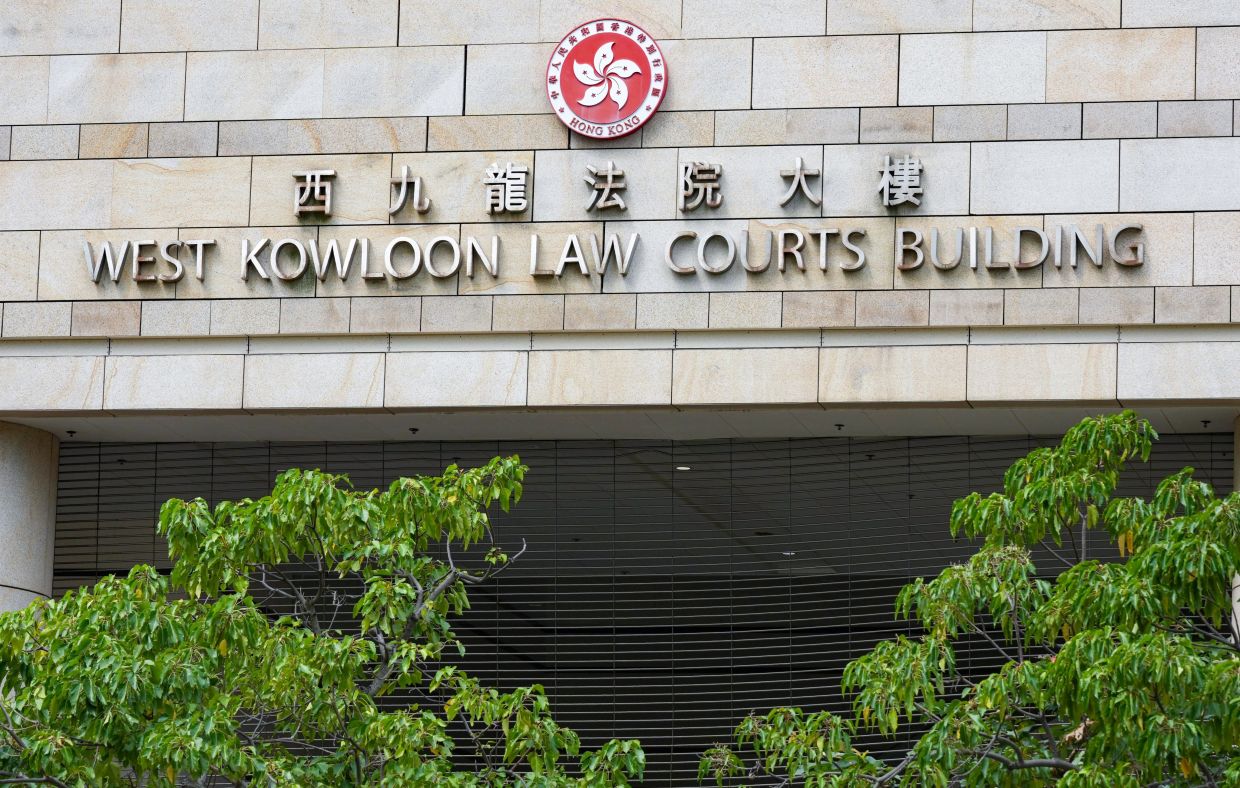
A Hong Kong court has handed down a four-month prison sentence to a 65-year-old man with a history of sexual offences after he groped a teenage student aboard a public bus in an incident that became the subject of widespread online outrage. West Kowloon Court delivered the judgment on Tuesday against William Wu Yiu-shing, a former household hardware salesman, who pleaded guilty to indecent assault following an attack on a Form Three student that occurred on June 5 aboard a KMB double-decker bus. The incident gained significant public attention after a bystander recorded the assault on video and shared the footage across social media platforms, sparking considerable debate about safety and harassment on public transport in the territory.
The attack took place at approximately 12:10pm when the bus was stationary at the intersection of Mong Kok Road and Sai Yeung Choi Street South in what is one of Hong Kong's busiest shopping districts. According to court records, Wu, dressed in a white tank top, reached across from his seat to touch the 17-year-old victim, who was sitting directly in front of him on the upper deck. The assault lasted only seconds, captured in a 37-second video that showed Wu persisting in his actions even as onlookers on the street called out warnings to him. The public nature of the incident and the recording underscored the vulnerability of commuters, particularly young women and girls, in shared transportation spaces.
The victim's account provided further insight into the psychological impact of the encounter. She told investigating officers that she felt her armpit being touched and witnessed Wu attempting to grab her, but fear and shock prevented her from responding immediately. The emotional toll was evident in her decision to rush home directly after the incident rather than continue her day. Such reactions are not uncommon among victims of street harassment and assault, who often experience paralysis or freeze responses during threatening situations. Her willingness to cooperate with authorities and ultimately see the case through to conviction represents an important step toward accountability in these cases.
Wu's criminal history painted a troubling picture of serial offending. He carried three prior convictions for indecent assault, indicating a pattern of behaviour rather than an isolated incident. This background proved significant in court proceedings, as it demonstrated that such conduct was not aberrant but rather reflective of persistent criminal tendencies. The repeat nature of his offences raised critical questions about the rehabilitation system and whether existing penalties and interventions had adequately addressed the underlying issues driving his actions. Courts and prosecutors across jurisdictions grapple constantly with balancing punishment against the possibility of genuine behavioural change.
The circumstances surrounding Wu's apprehension revealed the operational efficiency of Hong Kong's law enforcement and border security systems. Police arrested him later that same day when he attempted to return from Macau at the Hong Kong-Zhuhai-Macau Bridge border checkpoint. Wu's willingness to confess immediately upon questioning added clarity to the investigation, as he admitted committing the offence to satisfy his sexual desires. This candid acknowledgment, while not mitigating his actions, did facilitate swift judicial proceedings and spared the victim the ordeal of lengthy courtroom testimony and cross-examination.
The legal framework governing such offences in Hong Kong provides magistrates with considerable discretionary power. Indecent assault carries a maximum penalty of ten years imprisonment at the district court level, though when cases are heard by a magistrate, the sentence is capped at two years. Wu's four-month sentence sat well within the magistrate's authority and reflected what courts sometimes view as first-time conviction factors—despite his previous indecent assault convictions, this represented his initial prosecution under this particular charging framework. The sentencing decision would likely have weighed his guilty plea, his admission of longstanding problematic behaviour, and the breach of trust inherent in assaulting someone in a crowded public space.
Wu's legal representation focused on rehabilitation prospects during sentencing submissions. His defence counsel highlighted that the defendant had acknowledged his wrongdoing candidly and expressed willingness to undergo psychological treatment as part of a rehabilitation programme. This dimension addresses a growing recognition within criminal justice systems that sex offenders often require specialised therapeutic intervention alongside custodial sentences. Whether Wu would have access to appropriate mental health support within Hong Kong's correctional facilities remained unclear, but the acknowledgment of the need for such intervention represented at least a conceptual acceptance that punishment alone would be insufficient.
The timing of Wu's release raised important practical considerations. Having been remanded in custody since his prosecution on June 8, he was expected to become eligible for early release approximately one month from the court date, potentially reducing his actual time served to a matter of weeks rather than the full four months. Early release mechanisms exist in most jurisdictions to account for time already spent in custody awaiting trial, but the brevity of the ultimate incarceration period in serious sexual assault cases has long been a source of concern for victims' advocates and civil society organisations throughout Asia and beyond.
This case resonates particularly within Southeast Asia, where public transportation harassment remains a persistent issue yet often receives inadequate legal attention. Malaysian, Singaporean, and Thai cities face similar challenges with street harassment and sexual assault on buses, trains, and other shared spaces. The Hong Kong incident demonstrates both the capacity of public awareness and social media to drive accountability and the reality that even when perpetrators are caught and convicted, sentences may feel disproportionate to the violation experienced by victims. The emergence of viral video evidence, while powerful, also raises questions about whether victims should bear the additional trauma of their assault becoming public spectacle.
Looking forward, this case highlights systemic questions that extend beyond Hong Kong. Transport authorities across the region have begun implementing additional safety measures, including expanded CCTV coverage, designated women-only carriages, and awareness campaigns. However, legal remedies alone cannot address the cultural attitudes and societal factors that enable such behaviour. The fact that Wu had three prior convictions yet remained a threat on public transport suggests gaps in monitoring, rehabilitation, and victim protection mechanisms. For Malaysian observers in particular, where public transport usage continues to grow and sexual harassment reports surface regularly, the Hong Kong case offers both a cautionary tale and a model for how proactive documentation and public awareness can sometimes succeed in bringing perpetrators to justice.

