Hong Kong's customs authority has launched an investigation into claims that an elderly woman was subjected to high-pressure sales tactics that resulted in spending HK$100,000 (US$12,750) on beauty products at a retailer in the central business district. The case, which emerged through a social media post this weekend, marks another troubling episode in an escalating pattern of consumer complaints targeting the territory's beauty industry, where aggressive selling methods have prompted regulatory action and public concern.
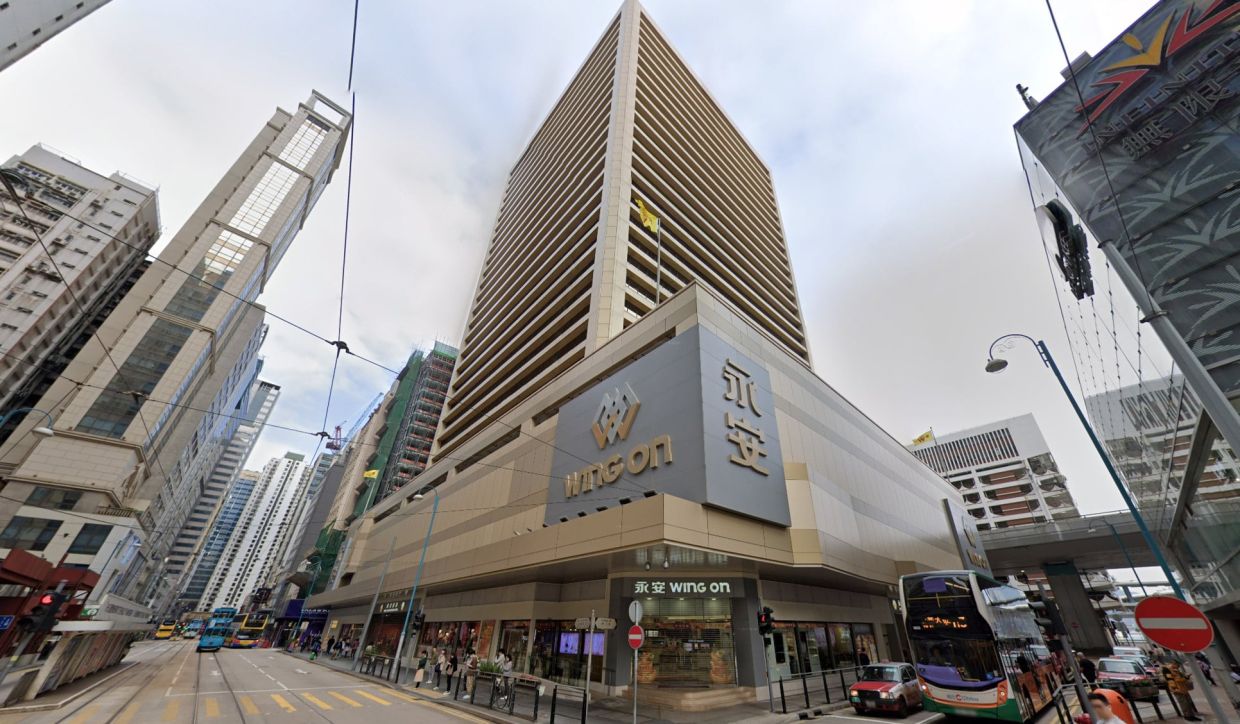
The incident allegedly occurred in April when the woman, aged 88, visited an Avinichi outlet housed within the Wing On department store in Sheung Wan. According to her daughter, who documented the experience online, the shopping visit turned into a gruelling three-hour ordeal that left her mother feeling emotionally drained and confused. The daughter, identified by the surname Ng, described how her mother's credit card was retained by sales staff throughout the transaction process rather than being returned immediately after each purchase, a practice that enabled multiple charges to be processed in rapid succession.
The charges accumulated across four separate card swipes during the extended shopping session, totalling HK$100,000 for an array of products and services including skincare items, a beauty treatment device, and a package of 24 detoxifying sessions. When the woman's domestic helper attempted to intervene and encourage the customer to leave the store, the sales pressure reportedly continued unabated. In her account, Ng conveyed her mother's own assessment of the experience, noting that the elderly woman felt as though she had been hypnotised by the relentless sales pitch. The family subsequently requested a full refund, but the retailer declined, offering only an exchange of merchandise instead.
Following the refusal to provide a refund, the family escalated the matter by lodging complaints with two official bodies: the Customs and Excise Department and the Consumer Council. The customs authority confirmed receipt of the complaint and indicated that it was actively investigating the allegations, with officials stating they would pursue enforcement action if evidence emerged of violations under the Trade Descriptions Ordinance. In a statement emphasising the government's commitment to consumer protection, customs officials declared they maintain zero tolerance for unfair trading practices and would continue rigorous enforcement against merchants engaged in unscrupulous conduct.
The legal framework being applied to this case, the Trade Descriptions Ordinance, explicitly prohibits harassment, coercion, and misleading conduct designed to pressure consumers into purchases they would otherwise avoid. Legal experts have previously identified specific practices as violations of this ordinance, including retaining customer credit cards, initiating unwanted physical contact, and pressuring purchasers to buy expensive items. These provisions exist precisely to protect vulnerable populations, particularly elderly consumers who may be less equipped to resist sophisticated sales techniques or recognise manipulative practices.
Avinichi operates as part of a broader portfolio of beauty brands managed by Apex Retail, a company with a significant presence across Hong Kong and Singapore. The parent company oversees approximately a dozen retail locations in Hong Kong under various brand names including Earth, Napara, Privilege Boutique, Dualsonic, and Lionesse. The company recently announced the launch of two new Avinichi experience boutiques in 2025, suggesting expansion plans despite the emerging allegations. While Apex Retail manages these operations, the Avinichi trademark itself is owned by Exclusive Label, a United States-based entity, with retail locations reportedly operating as independently owned and managed franchises according to company statements.
This incident arrives amid an intensifying regulatory spotlight on Hong Kong's beauty retail sector. The investigation into Avinichi follows a more high-profile crackdown on Opatra London, a beauty chain where two managers were arrested over allegations of coercive sales practices. Additionally, The Mineral Boutique, operating under Beauty Express Group, has faced scrutiny for allegedly employing similarly aggressive sales tactics. These concurrent investigations suggest a systemic problem within segments of the beauty industry rather than isolated incidents, indicating that regulators and consumers have become increasingly alert to predatory practices.
When contacted for comment, Avinichi's staff at the Wing On location claimed ignorance of the allegations. After a manager was consulted by phone, employees requested the reporter's contact information and promised that a company spokesperson would respond, but declined to facilitate direct conversation with management. As of late Saturday, no formal response had been received. In previous similar incidents, Apex Retail has declined to address specific allegations or individual customer circumstances in detail, maintaining a cautious stance toward media inquiries.
The targeting of an 88-year-old consumer in this case underscores the vulnerability of elderly populations to aggressive commercial tactics, particularly in the beauty and wellness sectors where emotional appeals and promises of rejuvenation carry psychological resonance. The three-hour duration of the sales encounter itself appears designed to exhaust resistance and cloud judgment through fatigue. The retention of the credit card throughout the process eliminated the customer's ability to interrupt transactions or reconsider purchases—a deliberate operational choice that facilitated the accumulation of charges. For Malaysian and Southeast Asian readers, this situation reflects broader regional concerns about unregulated beauty retail practices and the need for robust consumer protection frameworks that specifically address vulnerabilities affecting senior citizens.

