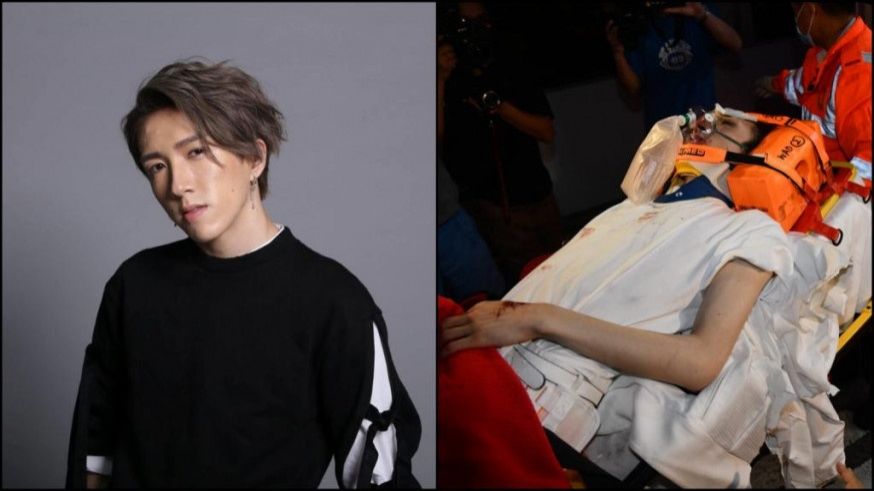
A 31-year-old Hong Kong dancer has received HK$6.29 million (approximately RM3.32 million) in court-ordered compensation following a catastrophic workplace injury that left him permanently paralysed. Mo Li Kai-yin was struck by a four-by-four-meter LED panel that plummeted from the ceiling during a Cantopop boy band Mirror concert at Hong Kong Coliseum on July 28, 2022. The Hong Kong District Court, in its June 15 ruling, determined that his employer, Studiodanz, bore responsibility for the accident and awarded maximum damages across multiple categories reflecting the severity and permanence of his condition.
The court's judgment characterised Mo's injuries as "catastrophic" and acknowledged that he has suffered permanent total incapacity. The legal findings paint a sobering picture of a young professional whose life trajectory was fundamentally altered in a single moment. According to court documents, Mo now requires round-the-clock assistance from three full-time caregivers to manage even the most basic personal needs and daily activities. The compensation package encompasses not only lump-sum damages but also provisions for ongoing caregiving expenses, periodic payments for future needs, and comprehensive medical costs—recognising that his rehabilitation journey will extend throughout his lifetime.
The accident occurred during the fourth performance of Mirror's planned 12-concert residency at the venue. Mo, who had just begun establishing himself as a professional dancer after years of study and early-career performances, was positioned where the structural failure had catastrophic consequences. The impact caused a cervical spine dislocation that severed his connection between brain and limbs. Emergency responders transported him to Queen Elizabeth Hospital, where he underwent immediate surgery and intensive treatment. His condition was grave enough that subsequent rehabilitation required transfer to private medical institutions both within Hong Kong and internationally, where he continues surgical interventions and therapeutic programs years after the incident.
The emotional and family toll of the accident extends beyond Mo himself. His father, Reverend Derek Li Shing-lam, made the profound decision to abandon his pastoral responsibilities and return from Canada to serve as his son's primary caregiver. This arrangement persisted until the Reverend's death on April 25, underscoring the relentless demands placed on families when a young adult experiences such comprehensive disability. The loss compounds Mo's own recovery challenges, introducing both emotional grief and practical complications regarding his ongoing care arrangements.
Mo's professional trajectory before the accident demonstrated genuine promise. While studying at university between 2015 and 2019, he discovered his passion for dance and decided to pursue it professionally. By 2019, he had transitioned to full-time dance work, securing performances across concerts, television productions, advertisements and music videos. Simultaneously, he maintained teaching positions at four dance studios, including Studiodanz, balancing instruction with his own performance and rehearsal commitments. This multi-faceted career—combining performance with pedagogy—represented the kind of stable, creative professional life that many dancers aspire toward.
The defendant company, Studiodanz, did not contest the proceedings, yet the court imposed additional financial penalties beyond the compensation award. The company faces an interest obligation and must cover Mo's substantial legal expenses. Additionally, Studiodanz had previously been fined HK$132,000 by occupational safety authorities for violations of workplace safety regulations. These regulatory and legal consequences reflect systemic failures in safety protocols that enabled the structural collapse to occur in the first place, suggesting that the incident resulted not from unavoidable accident but from preventable negligence in equipment maintenance or installation.
Despite the severity of his paralysis, Mo has demonstrated remarkable resilience in his recovery efforts. He has enrolled in intensive rehabilitation utilising cutting-edge medical technologies, including regenerative medicine approaches and implantable microstimulator devices designed to restore neural function. These interventions have yielded measurable, though limited, progress. Mo has regained some voluntary movement in his right arm and recovered sensation in functions related to bladder and bowel control—achievements that, while modest compared to his pre-accident capabilities, represent meaningful improvements in quality of life and independence. A March video posted to his Instagram account showed him operating an electric wheelchair using his right hand, demonstrating the practical application of his recovered motor function.
The Mirror concert accident represents a rare but sobering reminder of safety risks within the entertainment industry. Large-scale productions involving suspended set pieces, LED screens and complex stage infrastructure require meticulous engineering oversight and rigorous maintenance protocols. The incident at Hong Kong Coliseum—occurring during a major commercial concert series by one of Asia's most popular contemporary music acts—exposed vulnerabilities in how these safety standards are implemented and monitored. The financial and regulatory consequences now attached to the Studiodanz case may prompt reassessment of safety practices across the region's concert and performance venues.
For Malaysian entertainment venues and production companies, the Mo Li Kai-yin case offers instructive lessons regarding duty of care and liability exposure. Hong Kong's legal system has clearly established that employers and venue operators cannot treat workplace safety as incidental to operational efficiency. The scale of compensation—representing not merely economic damages but a comprehensive life-support judgment—reflects judicial recognition that catastrophic disability creates permanent, cascading costs far exceeding initial medical treatment. This precedent may influence how Malaysian venues approach equipment certification, staff training, and insurance coverage for large-scale performances.
Mo's ongoing recovery trajectory remains uncertain, though his demonstrated determination and access to advanced medical interventions offer some hope for continued incremental improvement. The compensation award, while substantial, essentially monetises the loss of his young adulthood and independent future—a calculus that no financial judgment can truly balance. His story has resonated across Hong Kong and the broader East Asian entertainment community, serving simultaneously as tribute to human resilience and cautionary evidence of how quickly life-altering consequences can unfold within professional creative spaces. The Mirror incident has become inseparable from broader conversations about performer safety and corporate accountability throughout the region's live entertainment sector.