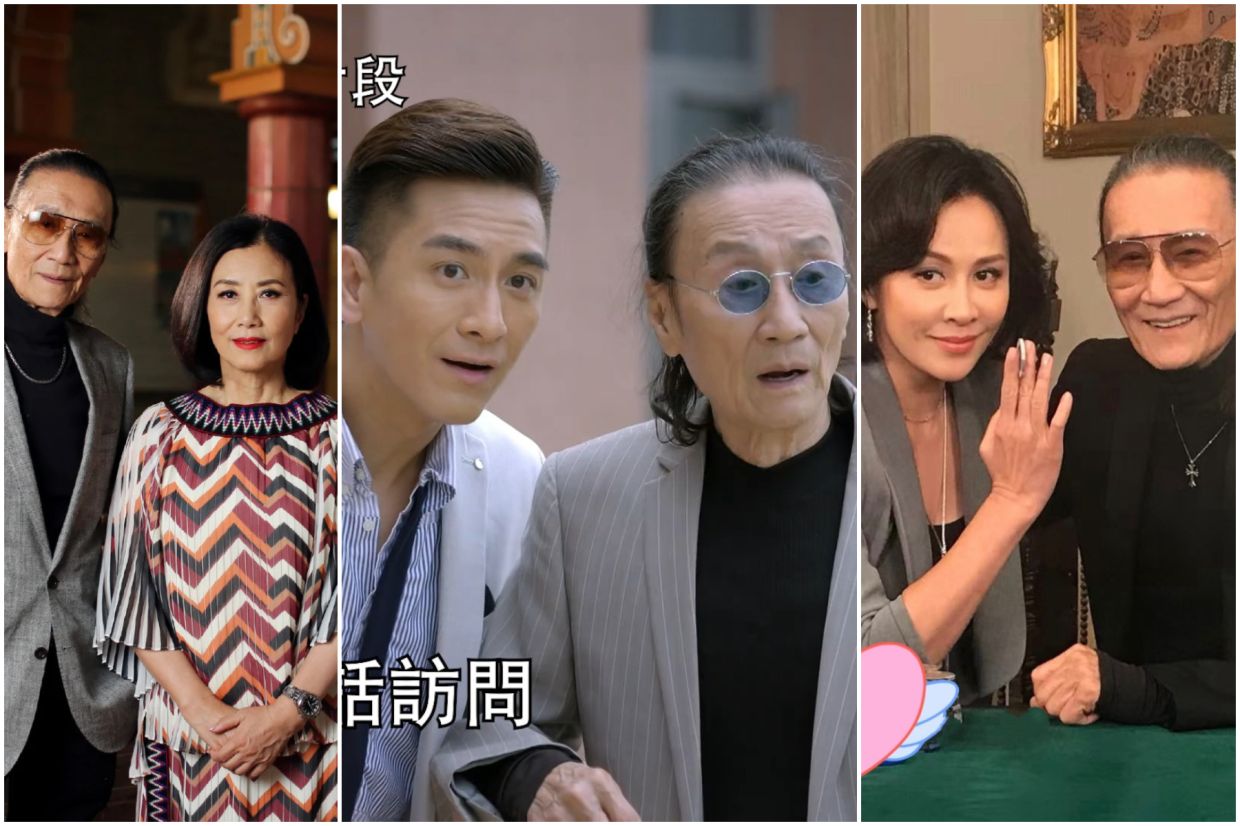
The death of Patrick Tse, one of Hong Kong's most celebrated actors, has prompted an outpouring of tributes from across the entertainment industry. The screen legend, affectionately known as Sei Gor (Fourth Brother), succumbed to pneumonia on July 16 at the age of 89, with his family publicly announcing his passing four days later. The loss marks the end of an era for Hong Kong cinema, with colleagues and collaborators reflecting on the profound impact he left on generations of performers and audiences alike.
Among the first to share her memories was Carina Lau, who posted a pair of photographs on Instagram—one capturing herself alongside Tse and another showing her husband Tony Leung Chiu Wai with the departed actor. In her message, Lau emphasised the exceptional qualities that defined Tse's character and career, noting that his existence embodied sophistication and composure throughout his decades in the industry. She characterised his contribution to Hong Kong cinema as a lasting gift, one that would continue to resonate with filmmakers and audiences in the years ahead.
Veteran actress Liza Wang drew upon a professional relationship spanning multiple decades and television dramas produced by TVB, having appeared opposite Tse in numerous productions. Beyond their professional collaboration, Wang revealed a deeply personal connection, serving as godmother to Tse's daughter Jennifer Tse. This multifaceted bond allowed Wang to speak with particular intimacy about the actor's character, describing him as someone who embodied genuine kindness and remained universally cherished within the entertainment world. She recalled the generosity with which Tse conducted himself on set, consistently mentoring younger cast members and sharing the accumulated wisdom he had gathered throughout his extraordinary career.
Wang's recollection emphasised the warmth and attentiveness that characterised Tse's interactions with fellow performers. She credited him with creating a supportive environment during their collaborations, an approach that extended beyond mere professional courtesy. The veteran actress expressed her intention to treasure the joyful moments they had shared while acknowledging the profound sadness accompanying his departure. Wang underlined that Tse's graceful demeanour and gentlemanly conduct had established an indelible impression that would persist in the hearts of those who knew him.
Michelle Ye, who transitioned from her career in television drama to other ventures, took to Weibo to commemorate her working relationship with Tse. The pair had collaborated on a 2005 television production, during which Ye discovered in Tse a paternal presence that filled an emotional void from her own upbringing. This perspective reveals the humanising dimension often obscured by celebrity status, demonstrating how Tse's warmth and protective nature extended naturally to his colleagues regardless of their career stage or background.
Actor Kenneth Ma offered a contrasting but equally illuminating perspective on Tse's character through his experience on Wong Jing's 2017 television drama. Ma's anecdotes focused on Tse's remarkable commitment to physical performance despite his advancing years. Rather than delegating action sequences to younger understudies or specialised performers, Tse insisted on executing these demanding scenes himself, an approach that impressed Ma deeply. This determination transcended mere professional obligation, suggesting instead a profound dedication to authenticity and craft that characterised Tse's entire approach to his work.
Ma articulated how Tse's unwillingness to compromise on performance standards despite his age offered an instructive example for younger actors navigating the industry. The willingness to undertake physical challenges demonstrated a commitment to excellence that extended beyond the superficial demands of role-playing. Ma also recalled the lighter moments shared during production, noting that Tse's playful temperament made collaboration genuinely enjoyable. This combination of professional rigour and personal warmth appears consistently throughout the tributes, suggesting that these qualities formed the bedrock of Tse's reputation.
Director Wong Jing provided the most extended perspective on Tse's significance within Hong Kong cinema, characterising him as the most strikingly handsome leading man in the territory's film history. Wong's relationship with Tse spanned decades, beginning in 1977 when Wong was still an emerging screenwriter at TVB, barely into his twenties. These early encounters established a mentorship dynamic in which Tse would treat the younger professional to drives in his Mercedes-Benz sports car, combining leisure with substantive discussions about filmmaking and artistic vision.
During one particularly memorable conversation, Tse imparted a perspective on stardom that Wong never forgot: the notion that achieving celebrity status imposed an obligation to maintain that standard indefinitely. This philosophical observation encapsulates the professional ethos that governed Tse's career decisions and personal conduct throughout his life. For Wong, this remark crystallised Tse's fundamental approach to entertainment—a understanding that celebrity carried inherent responsibilities rather than merely conferring privileges. The enduring resonance of this single exchange illustrates the depth of Tse's influence on those around him.
The collective testimonies from these prominent figures paint a portrait of an entertainer whose impact transcended his performances on screen. Patrick Tse appears to have been a mentor, supporter, and exemplar whose conduct influenced how subsequent generations of Hong Kong performers approached their craft. His insistence on physical authenticity, his generosity in sharing knowledge, and his philosophical reflections on the nature of entertainment suggest an artist who viewed his position within the industry as a responsibility to elevate standards rather than merely capitalise on accumulated fame. As Hong Kong's entertainment sector continues to evolve and face new challenges, the absence of figures like Tse represents not merely a loss of talent but the departure of someone whose presence helped define professional standards and interpersonal conduct within the industry.

