The investigation into Hong Kong's Wang Fuk Court fire has resumed after a six-week hiatus, but concerns are mounting over the inquiry's ability to conduct a thorough and impartial examination. Committee chairman Justice David Lok Kai-hong announced that the panel would not request the chief executive to convert it into a statutory commission of inquiry, a decision that has alarmed survivors and their advocates who worry the investigation may lack sufficient authority to uncover the full truth.
The distinction between a voluntary inquiry and a statutory commission carries significant practical implications. A statutory body typically possesses enforceable powers to compel witnesses to testify, demand documentary evidence, and administer oaths—mechanisms that fundamentally strengthen an investigation's capacity to access information that parties might otherwise withhold. Without these coercive tools, the committee must rely on the cooperation of individuals and organisations, a situation that can create openings for obstruction or selective disclosure.
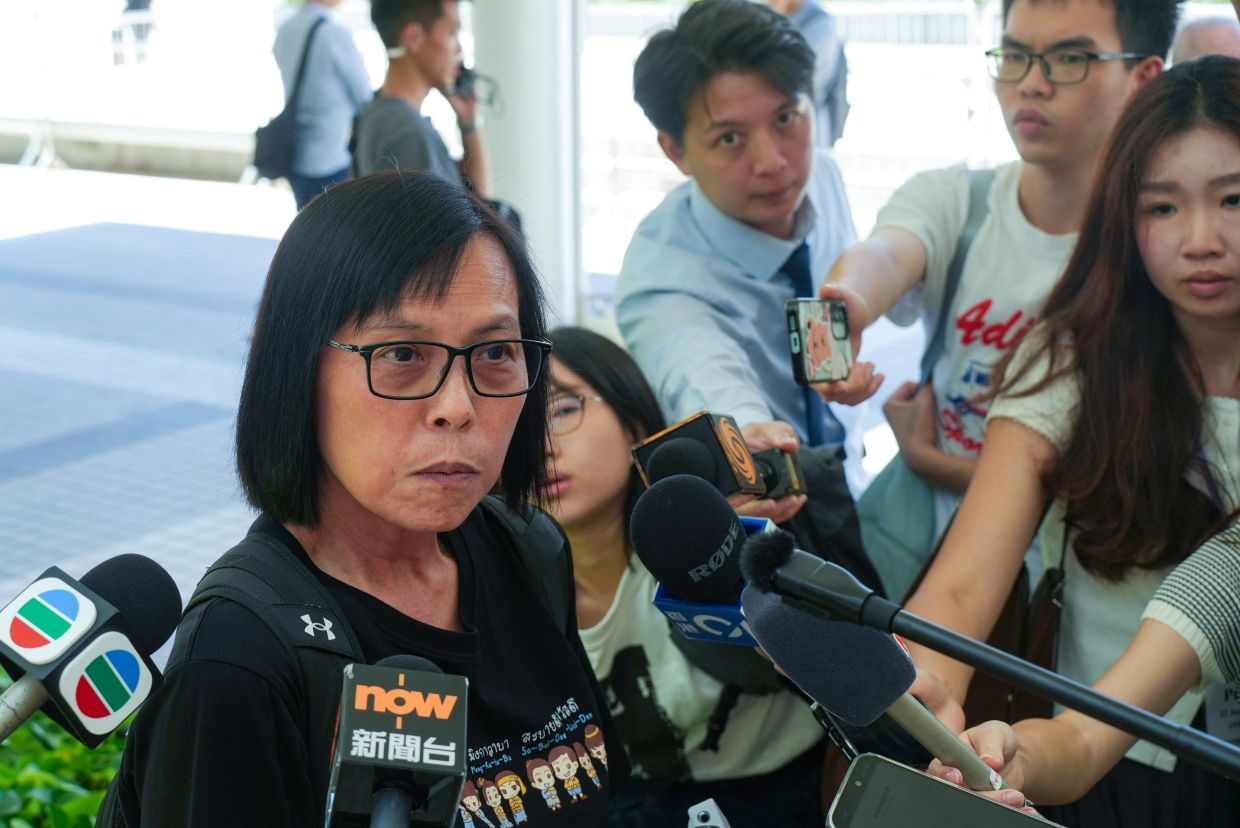
Survivors of the Wang Fuk Court fire have emerged as vocal critics of the decision, fearing that crucial evidence may remain obscured if witnesses cannot be legally compelled to appear or if documents are not forcibly produced. Their anxiety reflects a broader scepticism about whether a non-statutory panel can stand independent from potential political or administrative pressure, especially in Hong Kong's complex governance environment where the chief executive holds considerable influence over institutional arrangements.
The choice to forgo statutory authority suggests a deliberate strategy by the committee to operate within existing legal frameworks without seeking expanded investigative powers. Justice Lok's position indicates confidence that voluntary cooperation will suffice, yet this perspective conflicts sharply with international best practice in major incident inquiries. Jurisdictions handling catastrophic disasters typically establish statutory bodies precisely to eliminate ambiguity about investigative reach and to provide the institutional autonomy necessary for credible fact-finding.
The fire at Wang Fuk Court, which occurred in the preceding year, resulted in significant loss of life and raised urgent questions about building safety, fire prevention systems, and emergency response protocols. These matters demand exhaustive scrutiny, as the findings may inform regulatory reforms affecting residential safety across Hong Kong and beyond. If the investigation cannot access all relevant materials or compel testimony from key officials and contractors, the subsequent recommendations risk appearing incomplete or subject to challenge.
For Malaysian observers, the Hong Kong situation offers instructive parallels. Malaysia has experienced its own high-profile fire disasters and building collapses, and inquiries into such incidents have occasionally struggled with similar credibility gaps. The principle that catastrophic investigations require unflinching access to evidence and witnesses applies universally, and Hong Kong's decision to proceed without statutory backing may signal broader questions about how regional governance structures balance institutional autonomy with executive prerogatives.
The committee's resumption of hearings after the extended pause itself warrants scrutiny. Six-week breaks in major inquiries can disrupt momentum, allow institutional memories to fade, and create space for narrative consolidation among interested parties. Survivors and families waiting for accountability may interpret such delays as bureaucratic sluggishness or deliberate obstruction, thereby undermining public confidence regardless of the committee's actual diligence.
Stakeholders in Hong Kong have also pointed out that the decision not to seek statutory status appears inconsistent with the gravity of the incident. A fire claiming multiple lives and displacing residents ordinarily justifies the institutional apparatus associated with statutory commissions. The implicit message—that the incident can be adequately addressed through an ad-hoc voluntary panel—may itself constitute a form of institutional minimisation that trivialises survivors' suffering and the public's legitimate demand for transparent accountability.
The inquiry's investigative methodology will prove crucial. Even without statutory powers, a diligent committee can obtain substantial cooperation through other mechanisms: direct appeals to civic duty, media pressure, professional ethics obligations on engineers and architects, and coordination with government agencies already empowered to provide information. However, these informal pathways are inherently fragile and susceptible to collapse if powerful interests feel threatened by the investigation's trajectory.
Looking ahead, the committee faces a delicate challenge in maintaining credibility while operating without the enforcement mechanisms that statutory status would provide. The quality and completeness of its eventual report will significantly influence public perception of whether the investigation succeeded despite its limited powers or whether crucial gaps persist as a direct consequence of those limitations. For survivors seeking closure and meaningful reforms, the forthcoming findings will carry symbolic weight beyond their technical content—they will signal whether Hong Kong's institutional architecture prioritises thorough accountability or permits investigative shortcuts in matters touching public safety.