A Singapore court has imposed custodial sentences on a Hong Kong mother-and-son pair for their involvement in a violent disturbance at Changi Airport, marking a reminder of how travel tensions and family disputes can rapidly spiral into serious criminal conduct on foreign soil. Chan Sui-kwan, aged 65, received a six-month prison term for deliberately injuring a police officer and attempting to obstruct him from performing his lawful duties, whilst her son Chan Wing-kwan, 42, was sentenced to ten days' imprisonment for voluntarily causing hurt to a civilian bystander. The sentences were handed down following their conviction on July 29, with judicial proceedings culminating in sentencing on the following Monday.
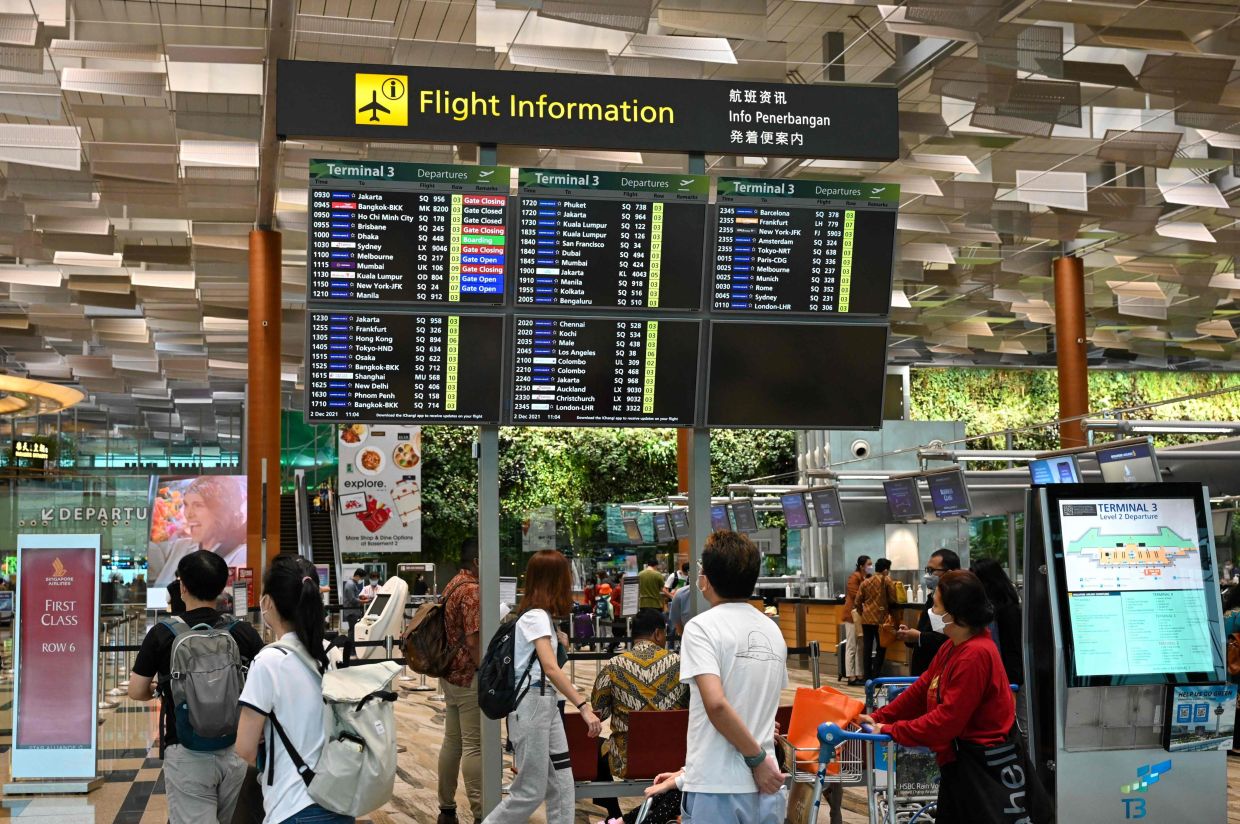
The sequence of events unfolded on the afternoon of June 30, 2024, within the confines of Terminal 3 at Singapore's major aviation hub. Court records indicate that the younger Chan became increasingly agitated after misinterpreting remarks from nearby travellers, whom he incorrectly believed were deriding him. His emotional escalation manifested in a physical assault directed at his own mother, a kick that drew the attention of a 69-year-old bystander who felt compelled to intervene and inquire about the woman's wellbeing. Rather than welcoming assistance, the mother instructed the man to withdraw, whilst her son demonstrated aggressive posturing by issuing a confrontational challenge to fight.
The volatile situation deteriorated further as the pair relocated to a different floor within the terminal building. Once again, the son physically attacked his mother with a kick, prompting the concerned bystander to take action by attempting to contact law enforcement authorities. This decision to summon police became the catalyst for a more serious physical confrontation, as the younger Chan lunged towards the intervening civilian. A violent struggle ensued, during which the son repeatedly struck the bystander about the head and upper body with his fists. The assault left the victim with a head haematoma—a pooling of blood beneath the skin characteristic of blunt force trauma—along with abraded skin on his knees and bruising across his fingers, injuries suggestive of both receiving blows and attempting defensive maneuvers.
Police personnel responding to the scene initially took reasonable precautions by documenting the passport details of both individuals before returning the travel documents to them. This initial police contact, however, did not conclude the matter, as the pair remained within the airport premises. During the afternoon, officers conducting operations in the departure hall encountered the Hong Kong nationals once more. The mother, displaying non-compliance and disruptive behavior, flatly refused to surrender her passport to the officers seeking to process her. Her obstinacy culminated in her arrest, though the apprehension proved far from straightforward, as she offered active physical resistance to the arresting officers.
During this resistance, the situation escalated to a level that resulted in direct violence against law enforcement. One of the officers received a bite wound on his right forearm, with the injury penetrating through his protective clothing to leave a visible mark approximately one centimetre in length and accompanying bruising to the surrounding tissue. This assault on the police officer represented a critical escalation that substantially influenced the severity of charges and ultimately the sentencing outcome, as obstruction of police duties and violence against law enforcement carry particularly serious criminal implications within Singapore's legal framework.
The procedural timeline of the case reveals significant delays and complications in bringing the matter to judicial resolution. The mother was not brought before the court until November 18, 2024—nearly five months after the incident itself—whilst her son faced formal charges considerably earlier on April 24 of the previous year. Both accused individuals failed to appear for a scheduled court hearing on July 22 this year, a non-appearance that prompted the issuance of arrest warrants to compel their attendance. Following their apprehension pursuant to these warrants, they faced conviction proceedings on July 29, with sentencing determination following shortly thereafter.
For Malaysian readers and Southeast Asian observers, this incident illustrates the serious legal consequences that can result from violent altercations occurring in international transit hubs, where multiple jurisdictions' laws may apply and where police enforcement is typically robust. Singapore's courts have demonstrated a consistent pattern of imposing meaningful custodial sentences for assaults on civilians and particularly for violence directed at police officers, reflecting the nation's uncompromising approach to public order and respect for law enforcement personnel. The case also underscores the vulnerability of older travellers and the risks inherent when family disputes occur in high-stress environments such as busy airports where emotions can escalate rapidly.
The difference in sentencing between the two defendants—six months for the mother versus ten days for the son—reflects judicial assessment of culpability, with the mother's assault on the police officer and her deliberate obstruction of law enforcement duties weighed as substantially more serious offences than the son's assault on the civilian bystander alone. The mother's actions in resisting arrest and physically attacking an officer attempting to perform lawful duties crossed a threshold that Singapore's courts treat with particular severity, sending a clear message regarding expectations of public conduct and obedience to legitimate police direction.
For families and individuals travelling through Southeast Asian airports, this case serves as a practical cautionary tale about the permanence of criminal consequences. What began as a family disagreement in a moment of travel stress culminated in months of legal proceedings, international complications, and significant prison time for two individuals far from their home jurisdiction. The incident demonstrates why de-escalation and seeking appropriate mediation channels prove infinitely preferable to physical confrontation, particularly when bystanders and law enforcement become involved in disputes that might otherwise be resolved through non-violent means.

