Authorities in Hong Kong have apprehended two men accused of orchestrating an elaborate phishing scheme that extracted over HK$500,000 from unsuspecting victims through coordinated fraud. The suspects, aged 31 and 44, were taken into custody last Thursday on suspicion of conspiracy to defraud, with police announcing the development on Saturday following their arrest.
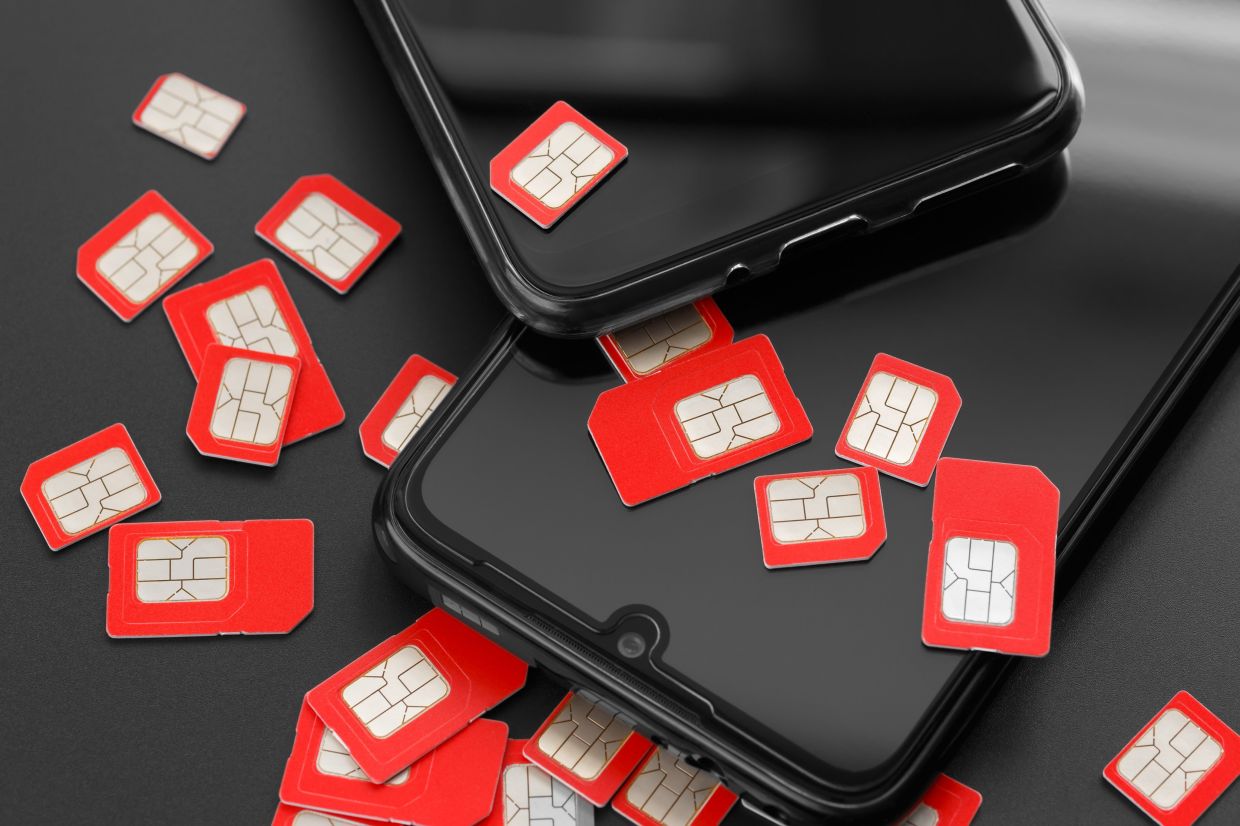
The operation functioned as a sophisticated criminal enterprise, utilising a hotel room as a nerve centre from which the fraudsters conducted their activities. Officers conducting the raid discovered a modem pool—a specialised device that enables simultaneous management of multiple SIM cards—alongside nine mobile phones and an arsenal of 110 SIM cards, suggesting the perpetrators had developed a scalable system capable of reaching thousands of potential targets. The discovery revealed the technical sophistication underpinning what might otherwise appear as everyday scam messages.
The fraud tactics employed by the syndicate demonstrated considerable cunning in their execution. Perpetrators assumed the identities of delivery company representatives and online payment platform employees, convincing victims they possessed either undelivered parcels or had inadvertently subscribed to insurance schemes requiring immediate cancellation fees. These false premises served as psychological hooks, creating artificial urgency that motivated victims to take immediate action. Once victims engaged with the fraudsters by calling seemingly legitimate customer service numbers, operators employed various pretexts to extract financial transfers into predetermined bank accounts.
Inspector Kwan Yat-hei from the fraud division of the commercial crime bureau revealed that the operation had generated over 2,000 suspected fraudulent messages, demonstrating the industrial scale of the scheme. The investigation uncovered that suspects had obtained SIM cards through real-name registration systems, acquiring them from multiple individuals. This approach—purchasing cards legitimately but then employing them for illicit purposes—represents a critical vulnerability in how telecommunications infrastructure can be exploited by organised fraud networks, even in jurisdictions with mandatory real-name registration requirements.
The revelation that intercepted phone numbers linked to the hotel base corresponded with recently reported scam cases established the operational connection between the arrested suspects and documented victim complaints. This forensic evidence proved instrumental in constructing the investigation's case, transforming scattered individual complaints into a cohesive pattern of systematic fraud. The financial losses documented so far—exceeding HK$500,000—likely represent only the identified portion of the actual damage inflicted, as many victims may remain unaware they were targeted or may not have come forward to police.
The case underscores a persistent vulnerability within telecommunications systems across the region. Despite Hong Kong's implementation of mandatory real-name registration for all SIM cards since March 2022—a measure designed specifically to prevent such anonymous bulk purchasing—determined fraudsters continue to circumvent restrictions by obtaining cards through legitimate means under false pretences. The sheer volume of SIM cards recovered suggests the suspects had developed relationships or networks enabling bulk acquisition, potentially indicating involvement by accomplices not yet apprehended.
Police indicated that additional arrests remained probable as the investigation progresses. Inspector Kwan emphasised that individuals who sell or lend their SIM cards to others, even without explicit knowledge of criminal intent, bear legal culpability as accessories to fraud. This warning carries significant implications for a region where informal lending arrangements and second-hand SIM card transactions occur frequently, particularly among migrant workers and individuals seeking to maintain multiple numbers for business purposes. The potential criminal liability creates a powerful deterrent, yet also highlights how everyday telecommunications practices can inadvertently facilitate criminal enterprises.
The conspiracy to defraud charge carries particularly severe consequences under Hong Kong law, with convicted offenders facing imprisonment terms reaching 14 years. This substantial penalty reflects the jurisdiction's assessment of fraud's societal impact, particularly when executed at scale through coordinated operations. The sentencing framework suggests authorities view organised phishing schemes as meriting punishment comparable to serious violent crimes, indicating the weight placed on protecting financial system integrity and public trust in telecommunications infrastructure.
For Malaysian readers and Southeast Asian observers, the case illuminates broader regional vulnerabilities in telecommunications security and fraud prevention. As neighbouring jurisdictions grapple with similar challenges involving organised phishing networks, the Hong Kong operation's methodology—utilising bulk SIM cards, centralised operational bases, and impersonation tactics—represents patterns increasingly encountered across the region. The technical sophistication demonstrated through the modem pool device and coordinated messaging suggests these operations likely transcend individual jurisdictions, with potential connections to fraud networks operating across multiple Southeast Asian countries.
The case also demonstrates the investigative capacity required to dismantle such operations successfully. The discovery of a physical operations base proved decisive, transforming what might have appeared as scattered individual fraud complaints into evidence of organised crime. This underscores the importance of inter-agency coordination and telecommunications company cooperation with law enforcement, particularly in identifying suspicious communication patterns and linking them to physical locations. For Malaysian authorities managing comparable challenges, the Hong Kong investigation provides a operational template while highlighting the resource requirements necessary for effective cybercrime investigation.
Moving forward, the case raises questions about regulatory gaps in real-name registration enforcement and bulk SIM card sales monitoring. While mandatory registration theoretically prevents anonymous card acquisition, the recovered 110 SIM cards indicate sophisticated bypass mechanisms persist. Telecommunications companies across Southeast Asia may require enhanced monitoring protocols to detect suspicious bulk purchasing patterns, even when transactions technically comply with registration requirements. The apparent ease with which fraudsters assembled a large SIM card portfolio suggests existing compliance verification systems may require strengthening to distinguish between legitimate bulk purchases and those intended for fraudulent purposes.

