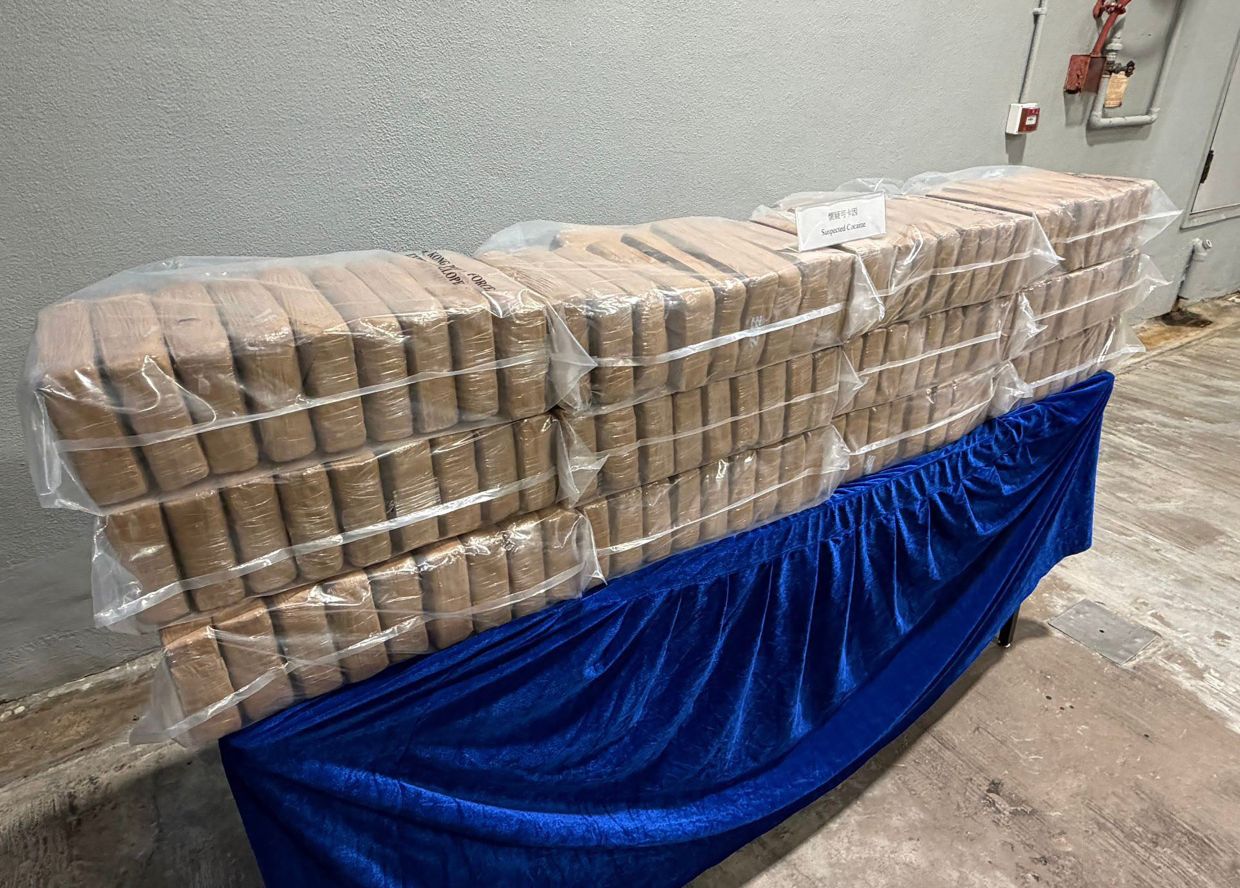
Hong Kong's police narcotics bureau has dismantled what appears to be a sophisticated maritime drug trafficking operation after discovering 361 kilograms of cocaine hidden across two vessels anchored in Aberdeen Typhoon Shelter. The dramatic series of raids, spanning just days, has resulted in one of the territory's most significant narcotics seizures in recent memory and drawn attention to the growing use of small boats as floating warehouses for international drug smuggling networks.
The operation unfolded across two separate incidents. Officers first descended on a yacht last Friday and recovered approximately 241 kilograms of cocaine bricks, leading to the detention of a suspected ringleader and two associates allegedly involved in the distribution scheme. The arrests seemed significant at the time, but investigators soon realised the operation was far more extensive than initially apparent. Following a swift analysis of the seized materials and intelligence gathered during the initial interrogations, police identified a second vessel moored in close proximity to the first.
When officers raided the six-metre yacht on Sunday, they discovered an additional 120 kilograms of cocaine carefully packaged aboard. The recovery of matching quantities and identical packaging formats provided forensic confirmation that both caches originated from the same smuggling batch. This finding fundamentally altered the investigation's scope, transforming what had appeared to be individual trafficking incidents into evidence of an organised syndicate operating an elaborate storage and distribution network within Hong Kong's waters.
The cumulative haul carries a street value estimated at HK$270 million, making this the largest single cocaine trafficking case Hong Kong police have encountered over the past twelve months. The scale of the seizure underscores the growing attractiveness of Hong Kong as a transit hub for transnational drug cartels seeking to distribute narcotics throughout Asia. Maritime routes through the territory's busy harbours offer trafficking organisations relative anonymity amid legitimate shipping traffic, while the concentration of wealthy yacht owners and commercial fishing vessels provides convenient cover for illicit cargoes.
The investigation has expanded beyond the initial detentions following Friday's raid. On Monday, police arrested a 45-year-old local woman who held the registered ownership of the yacht discovered on Sunday. According to police statements, she was listed as unemployed, a detail investigators view as consistent with the profile of low-visibility operatives recruited by drug syndicates to serve as nominal vessel owners. She was being held for extended questioning to determine her level of involvement within the trafficking hierarchy and identify her connections to more senior figures in the network.
The three individuals detained after the first raid, including the suspected kingpin, have similarly claimed unemployment or casual fishing work as their primary occupations. These professions are increasingly common among individuals recruited into trafficking operations, as they provide plausible explanations for irregular income patterns and frequent movements around Hong Kong's harbours. The apparent use of such cover narratives suggests a reasonably sophisticated operational structure where senior figures maintain distance from the actual smuggling logistics through a layered command system.
The timing and geographic proximity of the two discoveries raise important questions about trafficking routes and supply chain vulnerabilities. Investigators theorise that vessels operating on behalf of the syndicate were using Aberdeen Typhoon Shelter as a intermediate storage location, potentially awaiting favourable conditions for redistribution to local dealers or transshipment to other regional markets. The choice of Aberdeen reflects deliberate targeting of one of Hong Kong's most active anchorages, where numerous vessels congregate daily, making individual boats less conspicuous to casual observation despite heightened police surveillance.
For Southeast Asia and the broader region, the seizure carries significant implications. Hong Kong's position as a major international financial centre and busy port complex makes it an inevitable focal point for transnational drug trafficking organisations. The cocaine recovered likely originated from South American production regions and traversed multiple countries before reaching Hong Kong. Its intended distribution probably extended throughout Asia, targeting lucrative markets in China, Southeast Asia, and beyond. The efficiency of the trafficking operation, as evidenced by the professionally packaged and stored narcotics, suggests these syndicates have developed well-established supply chains that extend far beyond Hong Kong's territorial waters.
The bust also highlights a persistent vulnerability in maritime law enforcement capacity. The vast number of vessels operating within Hong Kong waters daily means that focused police operations succeed only when intelligence gathering provides advance warning or when procedural factors create investigative opportunities. Random interdiction of suspicious vessels remains statistically improbable given the volume of maritime traffic. As transnational organised crime groups continue refining their methods and diversifying their tactics, Hong Kong police acknowledge that prevention requires sustained intelligence efforts, cooperation with international partners, and continued adaptation to emerging smuggling techniques that exploit commercial shipping's legitimate complexity.
The investigation into the broader syndicate's operations continues. Police have indicated that the detained individuals are being interrogated regarding their roles within the distribution network, their connections to overseas suppliers, and the intended recipients within Hong Kong and elsewhere. Whether additional arrests will follow depends substantially on the information yielded through questioning and the revelation of communication networks linking the suspects to wider criminal organisations. The case will likely inform ongoing efforts by law enforcement agencies throughout Asia to develop more effective strategies for combating cocaine trafficking through maritime routes.

