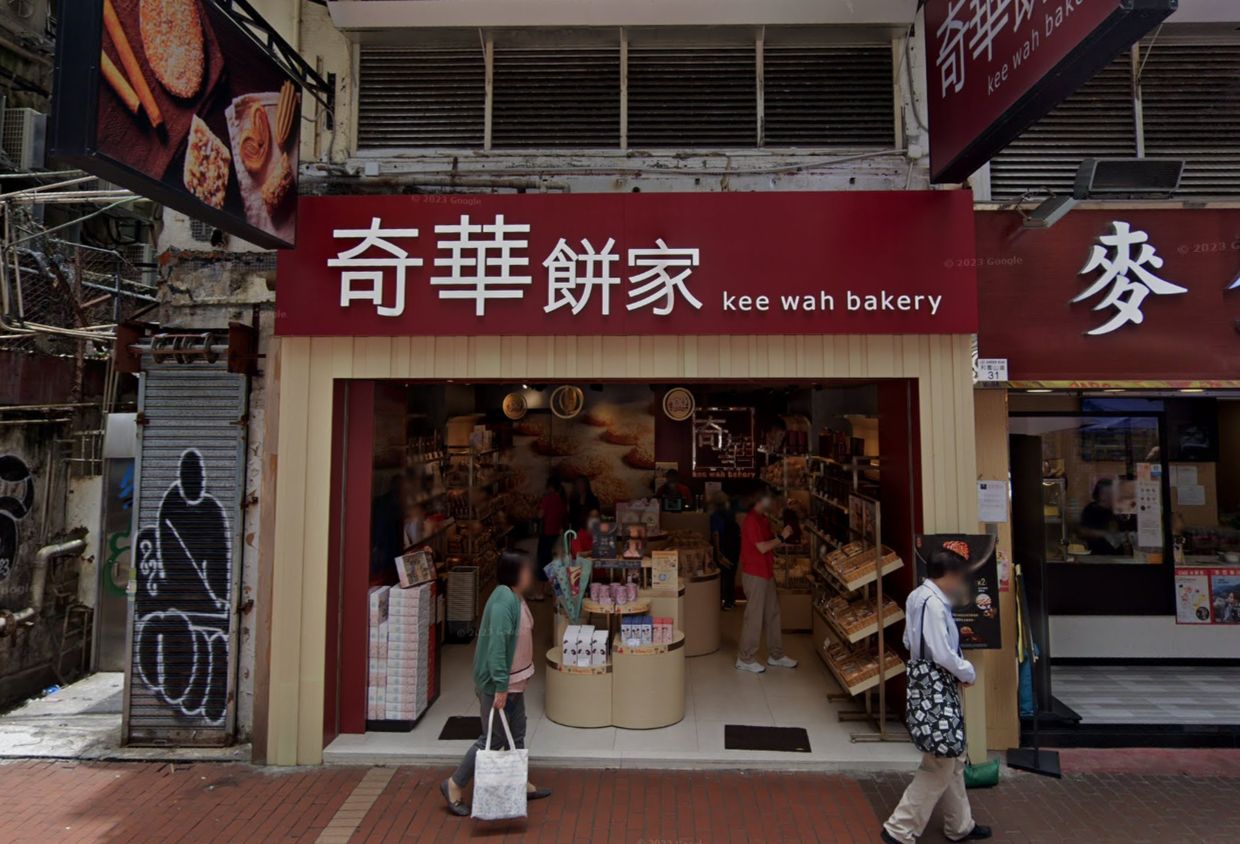
Kee Wah Bakery, a venerable Hong Kong institution renowned for its traditional pastries and baked goods, has disclosed a ransomware attack on its corporate network, prompting regulatory scrutiny and customer concern. The bakery revealed the security breach on Tuesday, nearly four days after discovering system malfunctions the preceding Friday. The incident has drawn immediate attention from Hong Kong's Office of the Privacy Commissioner for Personal Data, which is now demanding comprehensive details about the scope and nature of any data that may have been compromised in the attack.
According to the bakery's statement, preliminary investigations confirmed that cybercriminals deployed ransomware targeting its internal systems, which housed sensitive information across multiple categories. The compromised network contained personal data belonging to current and former employees, contact details and transaction records for business partners, customer information from its online retail platform, and user details from subscribers to its mobile application. This broad spectrum of data categories underscores the interconnected nature of modern business operations, where a single network breach can potentially expose information across the entire supply chain and customer ecosystem.
However, the bakery has been unable to provide certainty on a critical question: whether attackers actually succeeded in extracting any data before the ransomware was contained. This uncertainty is itself significant, as it reflects the common challenge organisations face when responding to such incidents. In many ransomware cases, attackers first exfiltrate valuable information before encrypting systems, then demand payment for both decryption keys and promises not to publish stolen data. The absence of confirmation either way leaves employees, customers and partners in a state of heightened vigilance, unable to definitively assess their individual risk exposure.
Responding to the incident, Kee Wah Bakery has engaged external cybersecurity specialists to investigate the breach thoroughly, implement necessary repairs and strengthen defences against future intrusions. The company issued an apology and committed to conducting a comprehensive audit of its existing cybersecurity infrastructure, pledging to adopt all enhancements that experts recommend. The bakery also initiated a proactive notification campaign, contacting affected employees, customers and business partners to inform them of the incident and recommending precautionary measures they should consider implementing immediately.
One reassuring element in the breach notification is that financial data appears to have remained secure. The bakery explicitly confirmed that no customer payment information or credit card details were stored on the compromised systems or were accessed during the attack. This distinction is important for customers who made purchases through the company's online store or mobile application, as it substantially reduces their exposure to financial fraud and identity theft stemming from this particular incident. Nevertheless, other personal identifiers—names, contact information, transaction histories and account credentials—may still be at risk if extracted.
The company reported the incident to both law enforcement and the privacy regulator on Sunday, demonstrating compliance with Hong Kong's notification protocols. The Office of the Privacy Commissioner for Personal Data responded by issuing formal requests for specific information: the total number of individuals affected by the potential data breach, the categories and volume of personal data potentially compromised, and the nature and extent of any data that may have been extracted. This regulatory response reflects the increasing scrutiny applied to organisations following major cyber incidents in the region, particularly when public-facing companies handle consumer information.
For Malaysian readers, this incident carries important lessons about the evolving cybersecurity landscape in East Asia. Hong Kong's regulatory response—swift investigation, public disclosure requirements and formal data protection assessments—mirrors frameworks increasingly adopted across Southeast Asia, including Malaysia. Local businesses handling customer data should recognise that cyber resilience is no longer optional and that privacy regulations are being actively enforced by authorities who expect proportionate incident response protocols. The Kee Wah case demonstrates that even established, well-known brands with decades of operational history are not immune to sophisticated cyber attacks.
The bakery's advisory to affected parties—encouraging vigilance against suspicious contact attempts and recommending regular password changes for important accounts—reflects standard post-breach guidance. However, the effectiveness of such recommendations depends entirely on individual action. In the Malaysian context, where consumer awareness of cyber threats continues to develop, companies facing breaches bear a responsibility to provide specific, actionable guidance tailored to the types of data exposed. Generic warnings, while necessary, often fail to translate into protective behaviour among diverse customer populations.
Kee Wah Bakery was established in 1938 and operates a primary manufacturing facility in Tai Po, Hong Kong, where it produces its range of locally made pastries and baked goods for distribution across Hong Kong and regional markets. The company's long operational history and established reputation make it a significant player in Hong Kong's food manufacturing sector, yet this pedigree did not insulate it from modern cyber threats. This reality underscores a crucial point for regional businesses: operational longevity and brand reputation provide no inherent protection against ransomware attacks, which exploit technical vulnerabilities rather than targeting organisations based on their size or notability.
The incident also highlights the cascading implications of breaches affecting bakeries and food service operations. Beyond direct customer harm, compromised supplier and partner information can propagate risks throughout Hong Kong's food production and distribution networks. If attackers obtained contact details for business partners—which may include payment information, delivery schedules and procurement data—they gain leverage points for secondary attacks or fraud targeting the broader supply chain. This multiplicative risk dimension means that addressing the breach requires coordination across multiple organisations, not just Kee Wah Bakery itself.
Moving forward, the regulatory investigation will likely establish precedent for how Hong Kong's privacy authorities evaluate ransomware incidents and hold organisations accountable for data protection failures. For Malaysian companies, particularly those in food manufacturing and retail sectors with significant customer bases, this case serves as a cautionary example. The convergence of increasing regulatory expectations, consumer sophistication regarding data rights and the persistence of ransomware as a profitable criminal enterprise suggests that cybersecurity investment is now a non-negotiable cost of doing business in Southeast Asia's competitive marketplace.