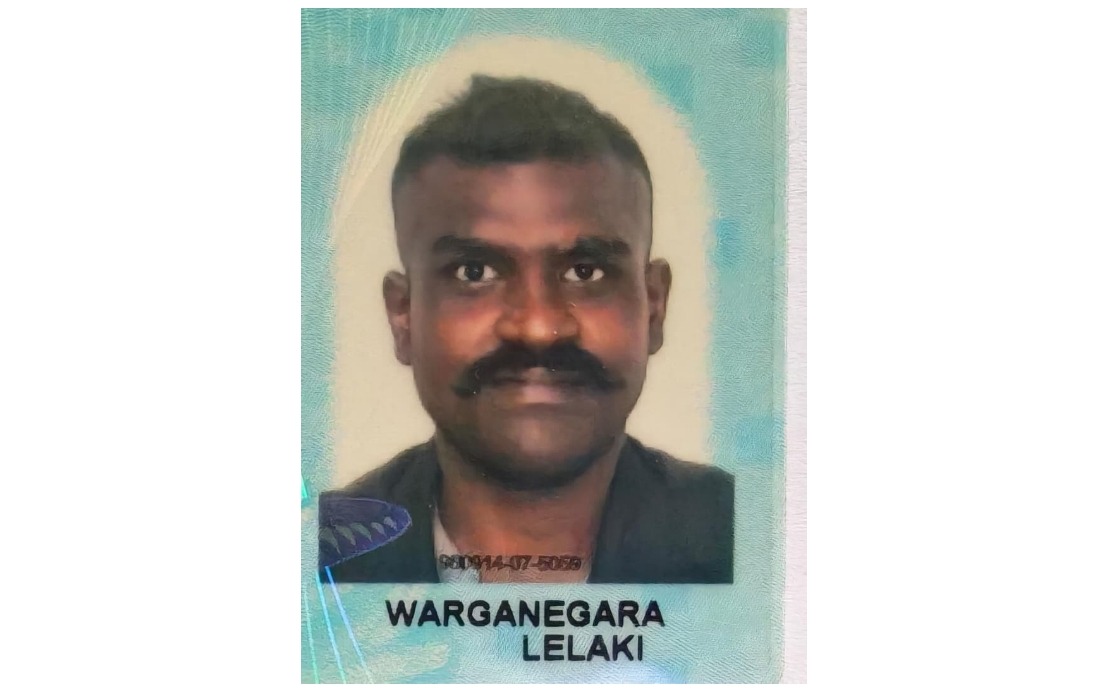
Sungai Bakap Hospital in Nibong Tebal has launched a public appeal to trace the family of a 29-year-old patient who passed away in August after spending over two months under its care. The hospital disclosed that M. Balakrishnan, who had been homeless at the time of his admission, succumbed to severe sepsis complicated by multi-organ failure on August 10, with his body currently held at the hospital's Forensic Medicine Unit pending identification and proper arrangements for his remains.
Balakrishnan's journey through the healthcare system began when he was transferred to Sungai Bakap Hospital from Bukit Mertajam Hospital on May 27. At that time, authorities had initiated procedures to place him in a care facility operated by the Social Welfare Department. However, the extended hospitalisation period revealed significant gaps in locating his support network or nearest relatives who might assist with decisions concerning his welfare and eventual disposition.
During his entire stay at the hospital spanning more than two months, no visitors came to see Balakrishnan, and hospital staff were unable to gather meaningful information about his family background or whereabouts of potential relatives. This isolation underscores a broader challenge in Malaysia's healthcare and social services landscape, where individuals without stable housing or family connections sometimes fall through administrative cracks, making aftercare and dignified handling of their circumstances considerably more difficult.
In attempting to locate his family, hospital authorities filed inquiries with the National Registration Department, which provided a last known residential address listed as No. 19, Jalan Sungai Buloh, Taman Segar, Kampung Baru Subang, Selangor. When police subsequently visited this location, they discovered the premises were occupied by a Malay family who had no connection to Balakrishnan and possessed no knowledge of him or his relations. This dead end has forced the hospital to seek wider community assistance through media appeals.
The case highlights vulnerabilities within Malaysia's social safety net, particularly regarding homeless or transient individuals whose movements and contacts are not systematically documented. While the Social Welfare Department works to provide placement for vulnerable populations, the coordination between healthcare providers, social services, and identification systems sometimes leaves gaps that prevent authorities from quickly connecting deceased persons with their families for notification and next steps.
Balakrishnan's death from sepsis and organ failure represents a serious infection that developed during or possibly preceding his hospital admission, a condition that can rapidly progress in immunocompromised individuals or those whose prior living conditions exposed them to unsanitary circumstances. The fact that he remained hospitalised for such an extended period suggests medical staff recognised the severity of his condition and attempted comprehensive treatment despite his lack of family support or financial resources.
For Malaysian healthcare administrators and social welfare officers, such cases present operational and ethical challenges. Hospitals must balance their medical mission with practical constraints of resource allocation and bed capacity, while also upholding the dignity of patients regardless of their social status. The length of Balakrishnan's stay suggests Sungai Bakap Hospital treated him with appropriate medical attention throughout his illness.
The appeal represents standard procedure in such circumstances, where hospitals cannot ethically or legally proceed with cremation or burial without exhausting reasonable efforts to locate next of kin. Beyond the immediate concern of handling his remains, locating family members might also reveal whether Balakrishnan had any relatives unaware of his condition, whether he had outstanding legal or financial obligations, or whether the circumstances surrounding his homelessness and health deterioration contain elements warranting further investigation or prevention efforts.
Members of the public with any information regarding Balakrishnan's background, previous associates, or family connections are encouraged to contact Sungai Bakap Hospital directly. Even seemingly minor details—previous workplaces, community organisations he may have attended, or acquaintances from years past—could provide investigators with leads to trace his relatives across Malaysia or potentially neighbouring countries, as migrant workers and individuals from broken family situations sometimes lack documentation or clear geographic ties.
This case also reflects broader demographic and social trends in Malaysia where increasing urbanisation, economic pressures, and family fragmentation have created populations of homeless or transient individuals whose connections to support systems have weakened. Social welfare organisations, hospitals, and law enforcement increasingly encounter such situations, necessitating better inter-agency coordination and documentation systems to prevent people from becoming completely lost within administrative structures.
The hospital's public appeal underscores the reality that despite technological advancement and national registration systems, locating relatives of marginalised individuals remains challenging without community participation. The circumstances of Balakrishnan's case—his three-month hospitalisation, his apparent isolation, the unsuccessful search through official channels—illustrate why public assistance campaigns remain necessary tools in ensuring that even the most vulnerable members of society receive dignified handling after death.

