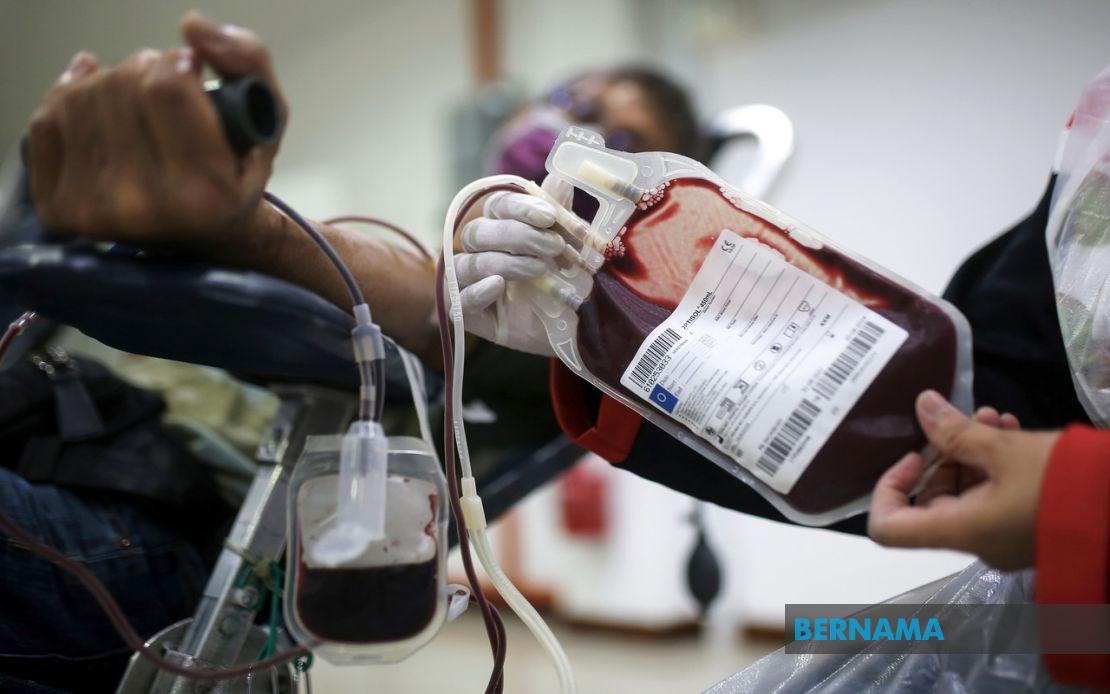
Hospital Sultanah Aminah (HSA) in Johor Bahru has sounded an alarm over depleting blood supplies, specifically targeting individuals with type O and AB blood types to come forward as donors. The hospital's Transfusion Medicine Department released the plea through social media channels, highlighting the critical nature of the shortage and urging the public to respond promptly to help maintain adequate reserves for patient care across the institution.
The appeal underscores a recurring challenge in Malaysia's blood supply chain, where maintaining consistent inventory levels remains difficult despite ongoing campaigns. Blood type O, being the universal donor type, faces particularly high demand across medical facilities, while AB type blood, though less commonly needed, remains essential for certain patient groups. The situation at HSA reflects broader pressures on the national blood banking system, especially during periods of higher hospital admissions or reduced donor turnout.
Members of the public seeking to participate in donation activities can access comprehensive scheduling information through the Johor Bahru Blood Donation Campaign Schedule page, which lists current and upcoming collection locations throughout the state capital. This digital resource aims to simplify donor recruitment by providing transparency about where and when individuals can contribute, removing logistical barriers that might otherwise prevent potential donors from participating.
To address the immediate shortage, HSA and affiliated organizations have coordinated multiple collection points operating simultaneously across the Johor Bahru metropolitan area. The Johor Blood Donation Centre at Mid Valley Southkey is hosting a multi-day drive extending from today through Sunday, maintaining operating hours between 10 am and 6:30 pm to accommodate various work schedules and personal commitments. This extended timeframe increases accessibility for working professionals and others with limited weekday availability.
Simultaneously, AEON Mall Bukit Indah has opened its facilities for blood collection activities continuing through the weekend, with operations concentrated in the morning and early afternoon window from 10 am to 3 pm. Shopping mall venues represent a strategic approach to donor recruitment, as they place collection services in high-traffic public spaces where individuals already gather for commercial and leisure activities, potentially converting casual visitors into blood donors through convenient proximity and minimal additional travel requirements.
The HSA Blood Donation Centre itself is participating in the intensified collection effort, accepting donors on an extended daily schedule from 8 am to 4:30 pm across consecutive days. By operating directly within the hospital premises, this facility serves both the institution's immediate transfusion requirements and demonstrates institutional commitment to the cause, potentially encouraging public confidence and participation among those who recognize the direct connection between their donation and patient care.
Blood donation campaigns in Malaysian urban centers typically face seasonal variations, with summer months and periods immediately following religious holidays witnessing reduced donor participation. The timing of this HSA appeal suggests the institution is confronting a particularly acute phase of inventory stress, necessitating concentrated recruitment efforts and extended operating hours to maximize collection opportunities within a compressed timeframe.
For potential donors, understanding the critical importance of type O and AB blood becomes relevant context for deciding whether to participate. Type O blood serves as the universal donor, making it compatible with all recipients, thereby creating perpetually high demand across emergency departments, surgical units, and intensive care facilities. AB blood type, conversely, represents the universal recipient classification, meaning AB individuals can receive only AB type blood, creating specialized demand despite AB being less common in the population.
The coordination between multiple facility types—dedicated blood donation centers, community collection points within commercial spaces, and hospital-based facilities—reflects sophisticated supply chain management attempting to balance accessibility with operational efficiency. Each venue type offers distinct advantages: dedicated centers provide specialized infrastructure and trained personnel, mall locations capture convenient walk-in donors, and hospital-based collection directly serves institutional needs while potentially strengthening donor commitment through visible patient impact.
Public response to such campaigns often determines whether hospitals can rebuild inventory sufficiently to weather subsequent demand fluctuations. Malaysia's blood supply depends substantially on voluntary donors, and awareness campaigns highlighting specific blood type needs help target recruitment efforts toward underrepresented donor populations. The specificity of HSA's appeal—naming O and AB types—suggests data-driven identification of critical gaps rather than generalized appeals.
For Johor Bahru residents, participation in these collection drives represents direct contribution to healthcare infrastructure supporting their community. Beyond HSA, adequately stocked blood supplies benefit the broader Johor medical ecosystem, as facilities frequently share resources during acute shortage situations. The multiple collection points operating simultaneously through the weekend create unprecedented accessibility, effectively removing scheduling obstacles for most potential donors within reasonable geographic range.
The broader significance of this appeal extends beyond HSA's immediate operations to highlight systemic challenges in maintaining robust blood supplies across Malaysian healthcare facilities. Persistent donor recruitment difficulties, seasonal variations in voluntary donation rates, and specialized demands for particular blood types create ongoing tension between supply and institutional needs. HSA's public-facing campaign represents both urgent operational response and implicit acknowledgment that maintaining adequate transfusion services requires continuous community engagement and reliable donor participation sustained across seasons and circumstances.

