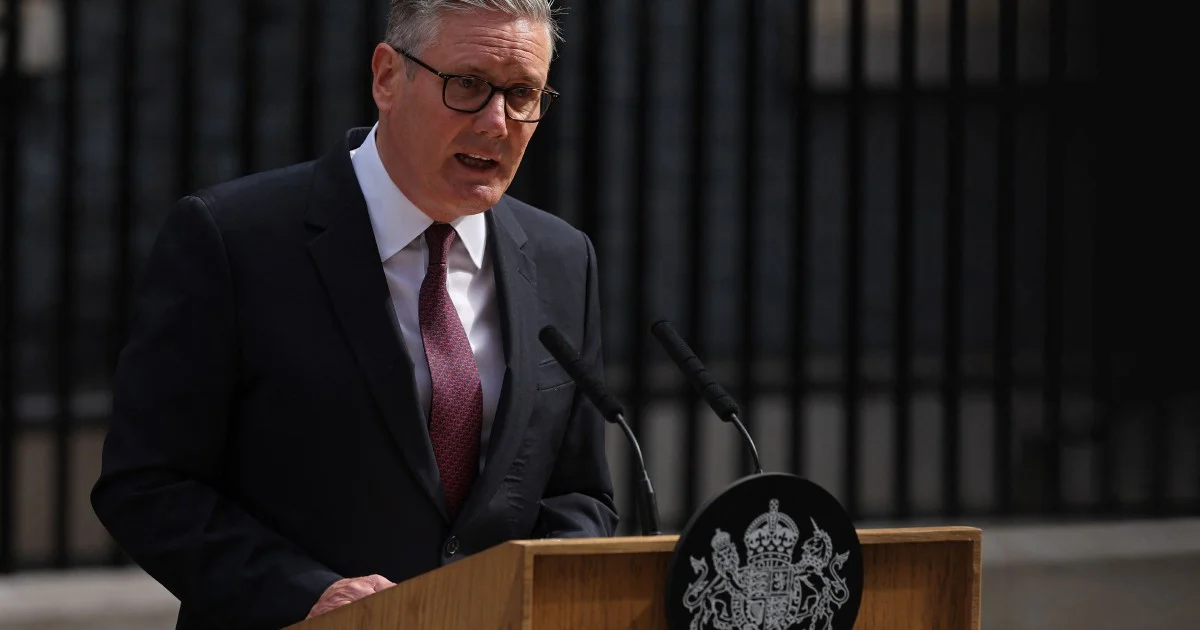
Prime Minister Keir Starmer announced on Monday that he would be stepping down from his position, with his successor expected to be chosen before Parliament reconvenes in September. This development marks another significant turning point in British politics, as the nation prepares to see its seventh chief executive in just ten years—a reflection of the extraordinary instability that has gripped Westminster in recent times.
The succession process in Britain differs markedly from systems elsewhere. Unlike nations with fixed electoral cycles or constitutional provisions for automatic transitions, the British system relies on the governing party's internal mechanisms to select a new leader when the current one departs. Since the Labour Party currently holds the parliamentary majority, the responsibility falls squarely on Labour's shoulders to conduct this selection swiftly and decisively.
Labour's leadership election procedure involves a carefully structured ballot that gives both party members and Members of Parliament significant roles. In the first instance, any candidate wishing to stand must secure nominations from a defined number of Labour MPs, ensuring that only those with substantial parliamentary support can proceed. This threshold effectively filters out fringe candidates and concentrates the race among figures with genuine backing from elected colleagues.
Once nominees clear this parliamentary hurdle, the process shifts to the broader Labour membership. Every registered party member receives a vote, and the ballot typically takes place across a defined timeframe—sometimes spanning several weeks. This system attempts to balance the need for swift decision-making with the democratic principle that thousands of party activists deserve a voice in selecting their leader.
For Malaysian and Southeast Asian observers, this contrasts sharply with systems in the region. Malaysia's political transitions, whether within UMNO, PKR, or other parties, follow different constitutional and procedural frameworks. The British method emphasises democratic participation from rank-and-file members, whereas many Asian political systems grant greater influence to established party hierarchies or parliamentary caucuses. Understanding these differences illuminates why British Labour's process will take weeks rather than days, and why consensus-building matters even after a leader's departure is announced.
The timeframe constraint adds urgency to what could otherwise be a protracted contest. With Parliament returning in September, Labour must complete its entire selection process—nominations, campaigning, and voting—within roughly two months. This compressed schedule means candidates have little time to build momentum or shift perceptions significantly. The frontrunners at the moment the race begins effectively maintain their advantage throughout, making early positioning crucial for any aspirant to the premiership.
Multiple Labour figures are expected to enter the contest, each representing different factions within the party. Some will appeal to the party's traditional left wing, others to its centrist establishment, and some to those seeking a fresh generational change. The campaign messaging will likely focus on economic recovery, the National Health Service, and how Labour plans to govern more effectively in its second or subsequent term. However, questions about why the previous leadership faltered may also feature prominently, as members seek assurance that the next leader will avoid similar pitfalls.
This revolving-door succession pattern reveals deeper issues within British governance. A nation cycling through seven prime ministers in a decade suggests structural vulnerabilities—whether in party management, public expectations, or the concentration of executive power in an individual leader's hands. For Malaysian policymakers and observers, this instability offers cautionary lessons about institutional resilience and the dangers of allowing personalities to dominate over systems.
The immediate consequences of Starmer's resignation ripple across British politics and international relations. Domestically, there is uncertainty about policy direction, particularly on key issues like economic management and public services reform. Internationally, Britain's partners in NATO and other alliances will watch carefully to see whether the transition produces a leader with equivalent credibility and international standing. The European Union, crucial trading partner and neighbour, will assess how the new premier approaches ongoing diplomatic relationships.
For investors and business leaders throughout Southeast Asia with stakes in Britain or reliance on the UK as a market or partner, the transition period introduces short-term unpredictability. However, the institutional machinery of the civil service and Parliament typically ensures continuity in major policy frameworks regardless of which Labour figure emerges victorious. The transition should be orderly, even if the underlying political fragmentation remains troubling.
Labour's selection process, while following established rules, will be watched closely by other centre-left parties globally, including Malaysia's own opposition coalitions. How Labour members respond to the various candidates—whether they prioritise proven electoral appeal, ideological alignment, or fresh leadership—will influence perceptions about what voters across democracies genuinely want from their leaders during uncertain times. The outcome could reshape British politics for years to come and set precedents affecting how other parties approach their own future transitions.