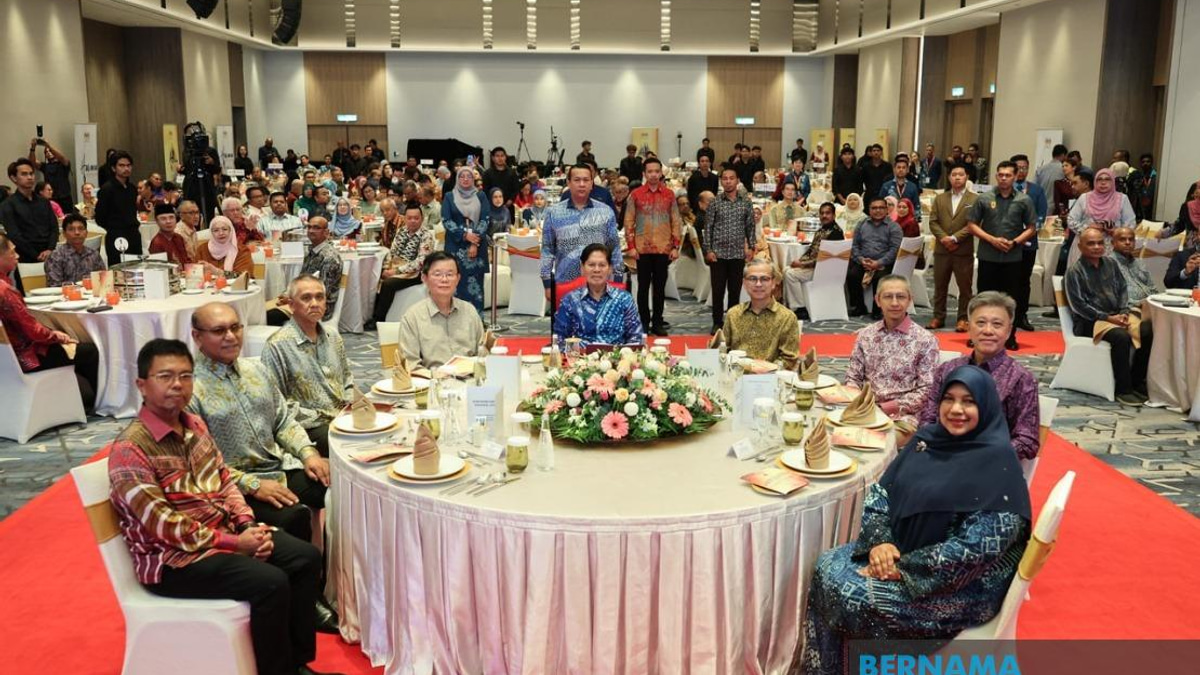
Institut Jantung Negara (IJN) has launched a targeted cardiovascular health initiative specifically aimed at media practitioners, offering discounted heart screening packages during the National Journalists' Day (HAWANA) 2026 festivities held in Butterworth. The 15 per cent reduction on the Essential Heart Screening Package represents a significant effort to prioritise the wellbeing of journalists, a profession characterised by irregular schedules, deadline pressure, and demanding working conditions that frequently compromise health monitoring routines.
The comprehensive screening package encompasses three critical diagnostic components: an electrocardiogram to assess electrical heart activity, a stress test to evaluate cardiac function under exertion, and a personal consultation with a specialist cardiologist. This multi-layered approach enables early detection of potential cardiovascular issues before they progress to acute conditions, providing media practitioners with a complete cardiac risk profile in a single visit.
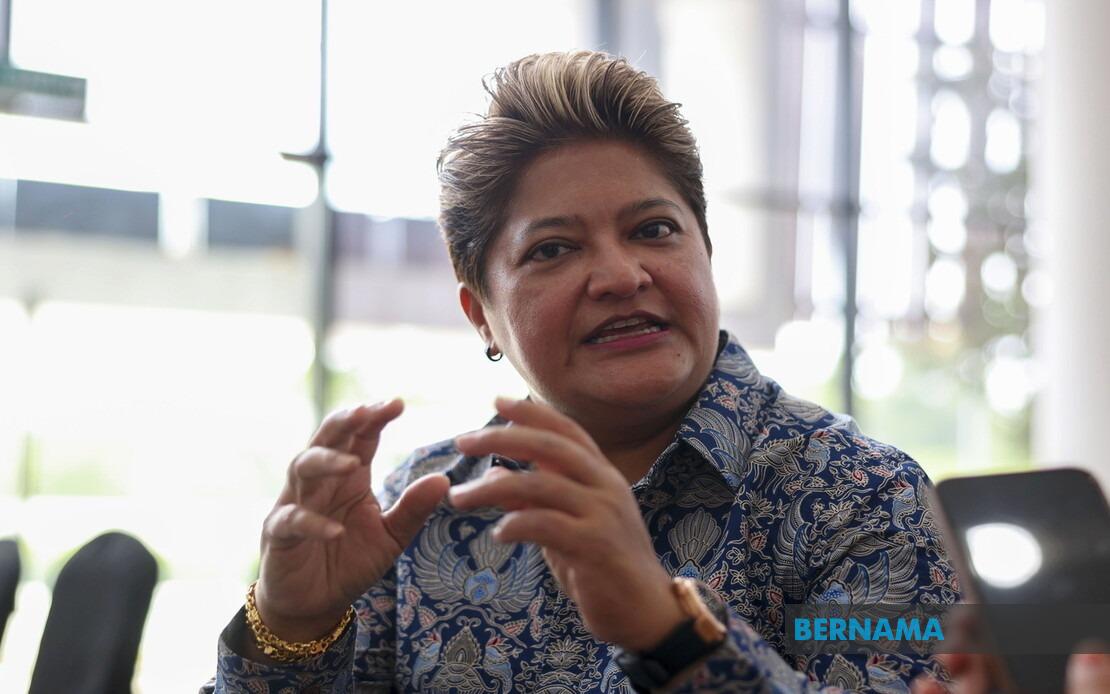
According to Farah Delah Suhaimi, the Marketing Department head at IJN, the initiative addresses a recognised gap in preventive healthcare access among busy professionals. She emphasised the flexibility embedded within the scheme, allowing journalists to book their screening within three months of HAWANA 2026 but schedule actual appointments at their convenience through to the end of the year. This temporal flexibility acknowledges the unpredictable nature of news cycles and breaking stories that often make fixed medical appointments challenging for media staff.
The promotional booking process has been streamlined across multiple channels, with registration available either at the dedicated IJN booth during the HAWANA event at PICCA Convention Centre @ Arena Butterworth or through the institute's website. This dual-channel approach ensures accessibility regardless of whether practitioners attend the event in person or prefer to engage remotely.
Beyond the main screening package, IJN has deployed significant resources to the event venue itself. A specially equipped mobile unit truck, fitted with four examination beds, has been stationed at the convention centre to provide immediate on-site diagnostics. This mobile clinic extends the screening capability beyond the main booth, enabling visitors to undergo echocardiography tests when preliminary assessments indicate potential concerns. The decision to position this advanced equipment at the event demonstrates IJN's commitment to comprehensive cardiovascular assessment within the conference setting.
The operational scale of IJN's presence at HAWANA 2026 reflects the seriousness of this health initiative. Approximately 30 medical and support personnel have been mobilised to manage the various screening stations, from initial health assessments through to specialist consultations. The booth itself coordinates basic health measurements covering blood pressure, cholesterol levels, blood glucose, and electrocardiograms, serving as the primary assessment gateway for all visitors.
When initial readings raise concerns, participants are channelled to the mobile unit for more detailed evaluation by qualified cardiologists and trained specialists. This tiered approach maximises efficiency while ensuring that individuals flagged as higher risk receive appropriate advanced assessment without delay. The integrated system creates a comprehensive health assessment pathway that transforms a one-day event into a meaningful health intervention.
Adie Suri Zulkefli, a 46-year-old committee member of the Malaysian Media Council, articulated the barriers that typically prevent journalists from engaging in preventive healthcare. Cost represents a substantial obstacle for many media workers, particularly those in smaller outlets or freelance positions, whilst time constraints compound the problem in an industry where scheduled breaks and time off are luxury items. He welcomed IJN's initiative as addressing both these structural barriers through financial incentive and scheduling flexibility.
Zulkefli's comments highlight the systemic challenge facing media practitioners across Malaysia and Southeast Asia, where occupational demands frequently override personal health management. The combination of a substantial financial discount—15 per cent on preventive screening represents meaningful savings for many professionals—alongside the ability to defer appointments to convenient dates creates genuine incentive structures rather than merely aspirational messaging.
The timing of this initiative during HAWANA 2026 carries symbolic weight beyond mere logistics. National Journalists' Day provides an appropriate platform to underscore the profession's value whilst simultaneously addressing occupational health vulnerabilities. Media practitioners often document others' health crises and healthcare challenges whilst neglecting their own cardiovascular risk, a paradox that IJN's initiative attempts to interrupt through strategic outreach.
For Malaysian readers and media professionals, this screening programme represents an opportunity to address a frequently deferred aspect of personal health management. Cardiovascular disease remains a leading cause of mortality in Malaysia, and early detection through screening significantly improves outcomes and reduces treatment complexity. The accessibility and affordability improvements offered through IJN's HAWANA programme lower conventional barriers that otherwise prevent at-risk individuals from seeking preventive assessment.
The initiative also contextualises broader healthcare equity issues within Malaysia's media sector, where employment conditions and occupational health support vary substantially. By extending subsidised screening to media practitioners regardless of employment status or outlet size, IJN acknowledges that cardiovascular risk transcends employment hierarchies. The flexible booking mechanism and extended validity period through year-end further democratise access, accommodating the genuine unpredictability of journalistic work schedules that resist conventional appointment-based healthcare models.