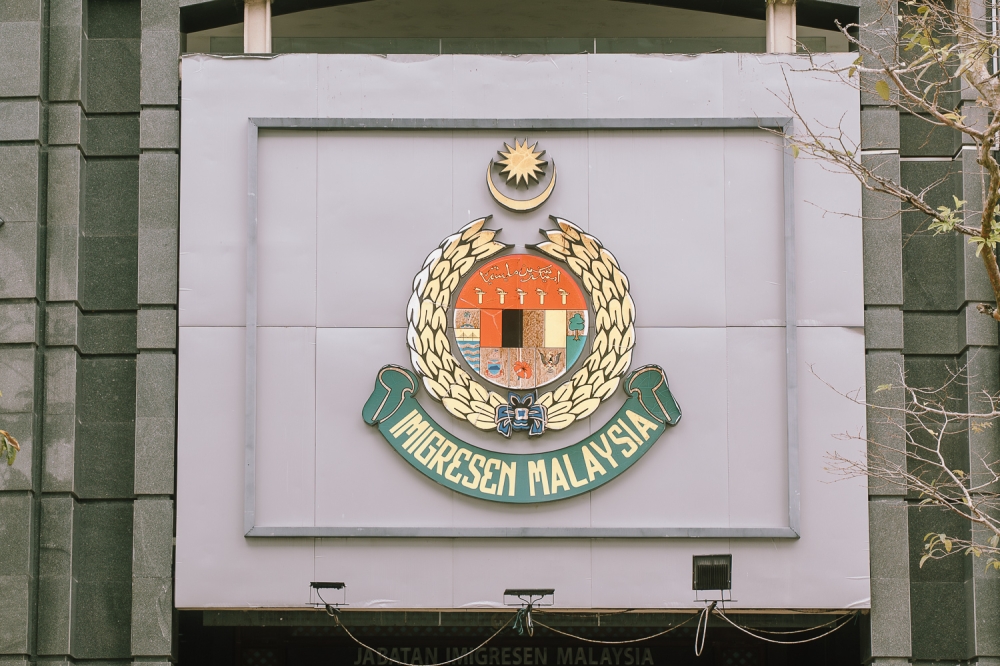
Malaysian Immigration Department officers have successfully dismantled what appears to be a sophisticated passport forgery network operating in Kuala Lumpur, marking a significant victory in the ongoing battle against document fraud in the country. The enforcement action resulted in the detention of three Indonesian nationals and the recovery of 119 counterfeit passports, alongside various forged identity documents and manufacturing equipment seized during multiple coordinated raids across the capital.
The operation, which unfolded during targeted raids in several locations across Kuala Lumpur, represents an escalation in enforcement efforts by Malaysian authorities against organised document fraud. Immigration officials moved swiftly to apprehend the individuals suspected of orchestrating the forgery operation after gathering intelligence on the suspected illegal network. The scale of recovered fraudulent documents suggests a well-organised enterprise that may have been supplying falsified travel credentials to clients across the region for an extended period.
Document fraud remains a persistent challenge for Southeast Asian nations, with forged passports and identity papers facilitating human trafficking, irregular migration, and other transnational crimes. The existence of such syndicates poses considerable risks not only to national security but also to the integrity of regional migration systems. Malaysia, as a major destination and transit country for migration flows within Southeast Asia, faces particular vulnerability to such operations and has ramped up inter-agency cooperation to detect and dismantle these networks.
The detained individuals are currently assisting authorities with investigations into the scope and reach of their forgery operation. Investigators are working to determine how long the network had been active, the extent of their client base, and whether they had connections to other criminal organisations or trafficking networks. Such intelligence gathering is crucial for understanding the broader architecture of document fraud in Malaysia and identifying potential accomplices or downstream users of the forged credentials.
The seizure of manufacturing equipment alongside the forged passports indicates that the operation had the capacity to produce documents in-house rather than simply distributing pre-made forgeries. This finding underscores the sophistication of modern document fraud operations and the technical expertise sometimes required to replicate security features present in official travel documents. Malaysian authorities have invested in training personnel to identify and combat increasingly advanced counterfeiting techniques.
Regional cooperation remains essential in combating transnational document fraud networks. Indonesian authorities may be engaged in follow-up investigations to determine whether members of the syndicate were based in Indonesia or whether the operation supplied forged documents to Indonesian nationals seeking to migrate illegally. The Indonesia-Malaysia bilateral relationship on immigration enforcement has strengthened in recent years, though challenges persist in coordinating responses to smuggling and trafficking operations.
The successful operation demonstrates the value of sustained intelligence gathering and inter-agency coordination within Malaysia's law enforcement apparatus. The Immigration Department has increasingly collaborated with other agencies including the Royal Malaysian Police and customs authorities to detect and disrupt criminal networks targeting vulnerable migrants or facilitating irregular movement across borders. Such coordinated efforts have yielded results in recent years, though authorities acknowledge that organised crime syndicates continue to innovate their methods.
For Malaysian readers and businesses, the discovery of such extensive forgery operations carries implications for employment verification and due diligence processes. Companies hiring migrant workers have a responsibility to verify credentials through official channels, particularly given the prevalence of fraudulent documents in circulation. The case illustrates why reliance on document checks alone is insufficient and why employers should engage with official government verification systems.
The arrested individuals will face charges under Malaysian law, likely including offences related to forgery, counterfeiting, and document fraud. Conviction on such charges can result in substantial prison sentences and fines. The legal framework governing document fraud in Malaysia provides considerable penalties intended as deterrents against would-be offenders, though enforcement remains an ongoing challenge given the profitability of such enterprises and the demand for fraudulent travel documents from individuals seeking to migrate irregularly.
Looking forward, immigration authorities are expected to continue targeting suspected forgery networks through intelligence-led enforcement operations. The success of these raids may generate additional leads into related criminal networks or individuals who may have obtained forged documents from the syndicate. Malaysian authorities are likely to use information gathered from the detained individuals to identify other active forgery operations and to enhance security features in official documents where vulnerabilities may exist.
The operation reflects broader regional trends in document fraud and organised immigration crime, which have prompted ASEAN nations to strengthen bilateral cooperation mechanisms. Coordinated efforts to share intelligence, extradite suspects, and harmonise enforcement standards remain crucial as criminal networks increasingly operate across borders. Malaysia's experience with this syndicate adds valuable intelligence to regional understanding of how such networks operate and evolve in response to enforcement pressure.

