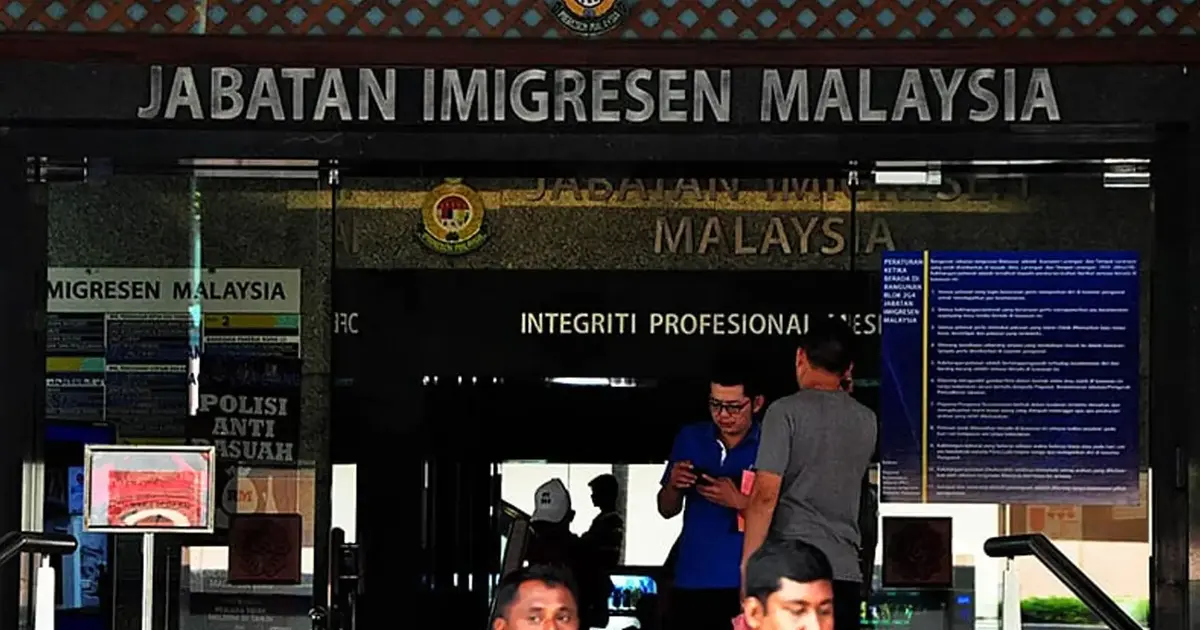
Eleven immigration officers have been arrested on suspicion of orchestrating a coordinated breach of the MyIMMs system, a development that the Immigration Department's director-general claims came as no surprise to leadership. According to the DG's statement, the identity of those involved in the scheme became apparent immediately upon discovery of the security compromise, casting light on what appears to have been an internally coordinated operation rather than an external cyber-attack.
The alleged conspiracy centred on exploiting vulnerabilities within MyIMMs to process and approve PLKS applications without proper authorisation. The PLKS system, which handles specific immigration matters, represents a critical component of Malaysia's border management infrastructure. The fact that the breach involved staff members with legitimate system access suggests the operation was sophisticated enough to bypass normal audit trails and approval hierarchies.
The arrest of eleven officers across the department indicates the scope of the breach extended beyond a handful of rogue individuals. This suggests either widespread collusion among multiple divisions or a troubling breakdown in internal oversight mechanisms. The involvement of this many personnel raises questions about how such an operation could continue undetected until discovery, and whether supervisory systems designed to catch anomalies functioned effectively.
The DG's assertion that officers were identified "from day one" presents an intriguing timeline. If senior management possessed this knowledge immediately, it suggests investigators quickly pinpointed the perpetrators through system logs, transaction records, or investigative techniques. However, the gap between identification and formal arrests warrants examination, particularly regarding the procedural steps undertaken during the interim period.
For Malaysia's public administration sector, this incident exposes vulnerabilities in how critical digital systems are protected. Government agencies increasingly depend on integrated platforms like MyIMMs to deliver services efficiently, yet insider threats represent a persistent challenge. Unlike external cyber-attacks that can be attributed to foreign actors or criminal syndicates, internal breaches carry deeper implications for institutional integrity and public trust.
The MyIMMs system itself faces scrutiny following this breach. As the backbone of immigration processing, any compromise threatens the integrity of Malaysia's border control mechanisms and potentially creates security risks related to identity verification and travel documentation. The system's resilience and the adequacy of its authentication protocols will likely become focal points for departmental review and potential upgrades.
From a regional perspective, this incident reflects challenges faced across Southeast Asia as governments digitise immigration and border management systems. Several nations in the region have experienced similar internal breaches, demonstrating that technological advancement must be matched by robust personnel screening, access controls, and continuous monitoring systems. Malaysia's handling of this situation will likely inform best practices discussions among ASEAN member states.
The motive behind the scheme remains a critical investigative question. Whether the officers acted for personal financial gain, facilitated immigration for associates, or operated under external pressure from organised networks will significantly influence how the case unfolds legally and how the department implements preventative measures. Internal investigations into the perpetrators' communications and financial records should illuminate their intentions.
The timing of this revelation also carries political weight, occurring amid broader scrutiny of Malaysia's public sector governance and institutional effectiveness. Immigration matters directly affect public perception of national security competence and administrative trustworthiness. The government's swift action in arresting suspects demonstrates responsiveness, yet questions persist about how such a breach occurred in what should be a tightly controlled system.
Moving forward, the MyIMMs incident necessitates comprehensive reforms extending beyond merely punishing those involved. The Immigration Department will likely implement enhanced background checks for personnel with system access, introduce multi-factor authentication requirements, strengthen audit logging capabilities, and establish real-time anomaly detection systems. These measures should address both the technical and human dimensions of security.
The psychological impact on remaining immigration staff merits consideration as well. While the arrests demonstrate accountability, they may also engender suspicion among honest officers and create an atmosphere of heightened scrutiny that could affect morale and operational efficiency. The department will need to balance security imperatives with maintaining a functional, motivated workforce.
For Malaysian citizens and businesses relying on immigration services, this breach raises concerns about data security and the potential misuse of personal information processed through MyIMMs. Individuals who submitted applications during the period of compromise may legitimately question whether their biographical data, travel history, or financial information could have been accessed or sold. Transparency from the department regarding the scope of data exposure would be prudent.
The case ultimately underscores how digital government systems are only as secure as the people operating them. Technology provides tools for management and control, but institutional culture, recruitment standards, training programmes, and ethical frameworks within public agencies prove equally critical. The Immigration Department's response to this breach will test whether Malaysia can translate technological advancement into demonstrable improvements in governance and public service delivery.

