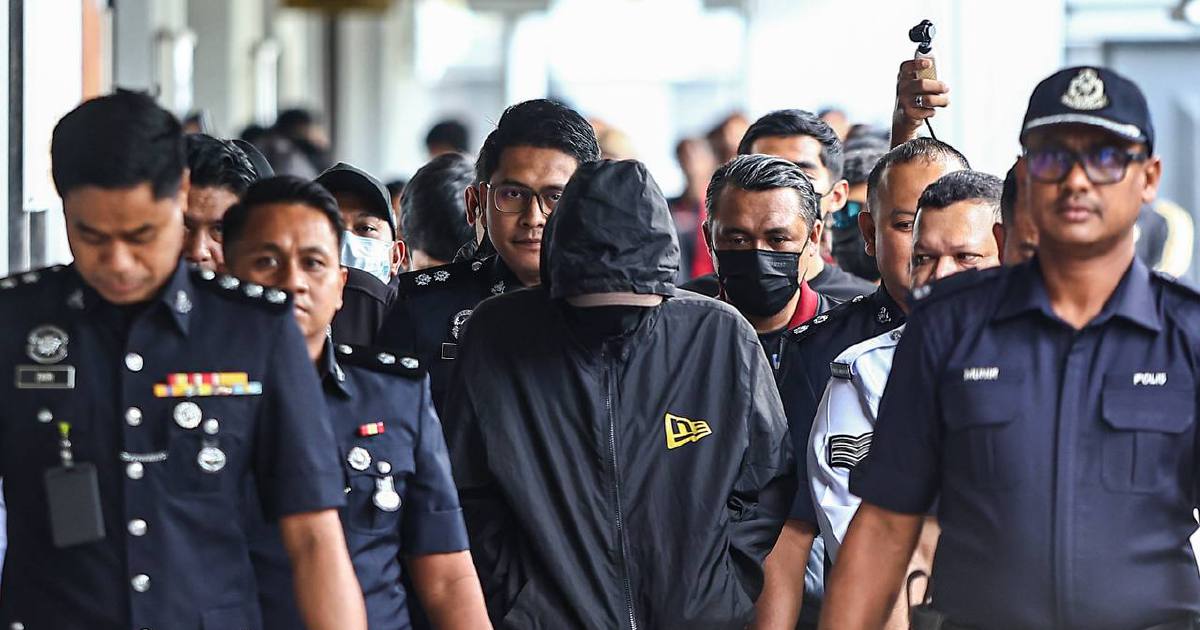
An Immigration Department lorry driver appeared before the Kuala Lumpur Magistrates' Court to face a series of charges arising from a fatal traffic collision at the Maju Junction intersection. The driver claimed trial on five separate counts, with the most serious accusations relating to causing death through reckless or dangerous driving—a charge filed three times in connection with the incident that claimed three lives.
The Maju Junction crash has drawn significant attention within Malaysia's transport safety community and among families affected by road accidents. This type of incident raises renewed concerns about the adherence to safety protocols among government vehicle operators, particularly those working for federal agencies. The deaths of three family members in a single collision underscore the devastating consequences when large commercial vehicles are involved in accidents at busy urban intersections, areas typically characterised by complex traffic patterns and multiple conflicting vehicle movements.
Government departments operating commercial vehicles face heightened scrutiny regarding driver competency, vehicle maintenance standards, and workplace safety culture. The Immigration Department, like other public sector organisations, employs drivers who are responsible for transporting equipment, personnel, and materials across Kuala Lumpur and surrounding regions. When such drivers are involved in fatal accidents, questions emerge about whether adequate training, supervision, and enforcement of traffic regulations are in place within the department's operations.
Roadway collisions involving lorries pose particular risks to other road users due to the size, weight, and momentum of such vehicles. Intersections like Maju Junction, which serve as crucial traffic hubs connecting different parts of the capital, experience high volumes of vehicles navigating simultaneously. The concentration of vehicles, pedestrians, and sometimes motorcyclists at such locations creates complex scenarios where driver error or momentary lapses in attention can have catastrophic results. Understanding what led to this specific collision remains important for identifying whether systemic factors contributed to the tragedy.
The charges filed against the driver include multiple counts under Malaysia's Road Traffic Act. These allegations suggest that the investigating authorities believe the driver's conduct fell below the standard expected of a reasonably prudent driver. The specific charge of causing death by reckless or dangerous driving carries serious criminal penalties, reflecting the gravity with which Malaysian law treats fatal traffic incidents resulting from driver culpability rather than pure accident or mechanical failure.
For the bereaved family, the court proceedings will be a prolonged process as the case moves through the Malaysian legal system. Magistrates' court hearings typically involve initial plea submissions, followed by the prosecution presenting evidence and witness testimony. The complexity of reconstructing precisely what occurred in the moments leading to impact—vehicle speeds, brake application, visibility conditions, and traffic signal states—will likely require expert testimony and forensic analysis of the collision scene.
Public sector vehicle safety represents an ongoing challenge across Southeast Asia. Government departments frequently operate aging fleets with varying maintenance standards, and the quality of driver training can differ significantly depending on available resources and institutional commitment. This incident may prompt the Immigration Department to review its vehicle safety protocols, driver assessment procedures, and the fitness-to-drive standards applied to its workforce. Other Malaysian government agencies may similarly reassess their transport operations in light of such accidents.
The broader context of road safety in Malaysia remains concerning, with fatal traffic accidents continuing to claim thousands of lives annually. While most accidents involve private vehicles, commercial vehicles including lorries, buses, and delivery trucks account for a disproportionate share of fatal collisions relative to their numbers on the road. The severity of injuries and fatalities when large vehicles are involved stems from the physics of impact and the vulnerability of occupants in smaller vehicles.
Intersection safety across Kuala Lumpur has been a persistent issue, with several high-traffic junctions recording multiple accidents over the years. Traffic engineering improvements, enhanced traffic law enforcement, and driver education campaigns have yielded mixed results. Some intersections have benefited from improved signalling systems, clearer road markings, and visibility enhancements, though systematic implementation across all dangerous locations remains incomplete.
The investigation into this particular accident will likely examine vehicle condition records, the driver's work schedule and fatigue levels, maintenance logs, and whether the lorry underwent regular safety inspections. Malaysian authorities will also consider whether the driver possessed a valid commercial driving licence appropriate for the vehicle class being operated. These technical and administrative aspects often determine whether negligence can be definitively established in court.
For Malaysian road safety advocates, such cases highlight the need for stronger enforcement of speed limits near intersections, better training for commercial drivers, and stricter periodic vehicle safety certification. The case will be closely watched as it progresses, potentially setting precedent regarding the level of culpability assigned to government vehicle operators involved in fatal accidents.
The trials and appeals process ahead will consume considerable judicial resources and time. Malaysian courts have significant backlogs, meaning final resolution of this case may extend over months or years. Meanwhile, the family members of those who died will await the court's determination of responsibility and the sentencing that may follow a conviction.

