The Immigration Department has elevated its operational posture to the highest alert level in preparation for the Johor State Election, with officials conducting continuous surveillance of inspection systems across the nation's principal entry and exit points. The move underscores the government's recognition that tens of thousands of Johor-based voters currently working in Singapore will attempt to return home to cast ballots, placing unprecedented pressure on the country's busiest gateways during the critical polling window.
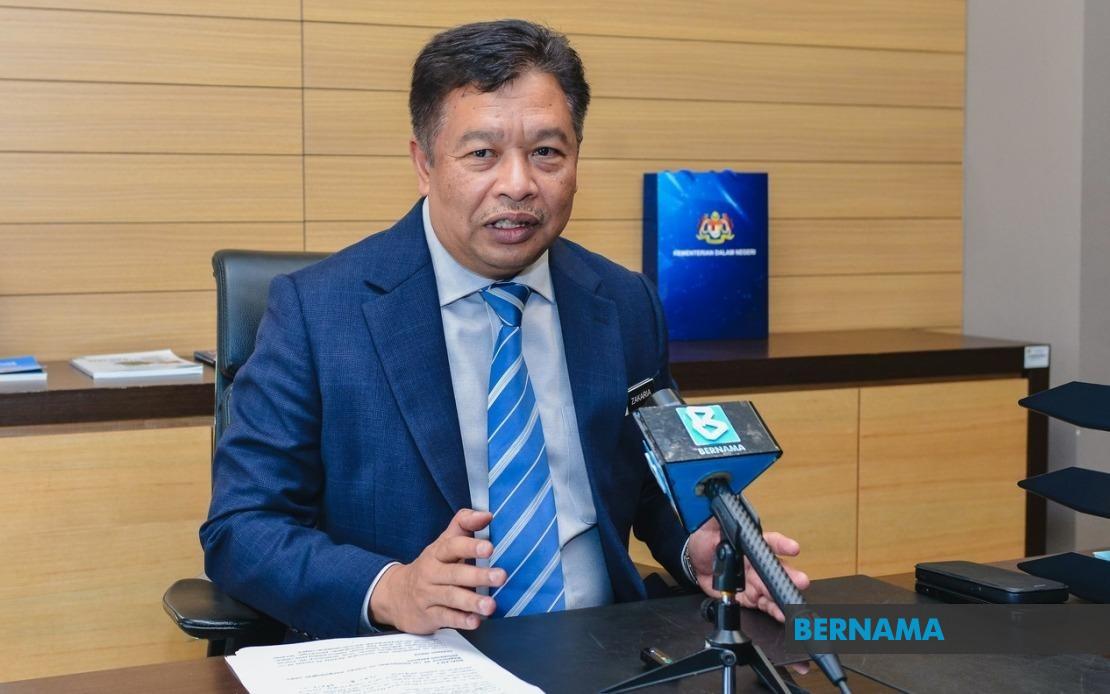
Datuk Zakaria Shaaban, who heads the Immigration Department, provided assurances that infrastructure at two pivotal facilities—Sultan Abu Bakar Complex in Tanjung Kupang and Sultan Iskandar Building at JB Sentral—are currently functioning without incident. These installations, which connect Malaysia to Singapore via the Malaysia-Singapore Second Link and the direct rail connection, process approximately 300,000 travellers daily under normal circumstances, making them among the world's highest-capacity border facilities. The scale of operations at these checkpoints makes them critical to the logistics of managing electoral movements.
Zakaria explained that the department is maintaining reliance on its existing technological infrastructure rather than implementing new systems, a decision that prioritises stability over untested innovations during a sensitive period. He acknowledged that while the current setup is performing adequately, a dedicated technical team maintains round-the-clock surveillance to identify and resolve any emerging faults before they can affect border operations. This vigilance reflects lessons learned from previous elections, where system failures at congested checkpoints created bottlenecks that delayed voters attempting to fulfil their democratic obligations.
Should the automated inspection systems experience failure despite preventive measures, the Immigration Department has activated fallback protocols that revert to manual processing procedures. This dual-layer approach ensures that even in worst-case scenarios, the flow of people through Immigration, Customs and Quarantine complexes would continue, albeit potentially at reduced speed. Zakaria characterised problem-free operations on polling day as a governmental imperative, not merely a convenience—the ability of voters in Singapore to return without impediment shapes electoral participation and, by extension, democratic representation.
The Home Ministry has already signalled its own readiness to intervene if complications arise. Datuk Seri Saifuddin Nasution Ismail, the minister overseeing immigration matters, previously pledged that comprehensive mitigation measures stand ready for activation should circumstances warrant intervention. This tiered response—from departmental technical monitoring through to ministerial-level contingency plans—suggests the government views the election logistics as a matter of heightened national significance rather than routine administration.
The scale of the electoral challenge becomes apparent when considering the contest itself. The 16th Johor State Election will involve 172 candidates competing for 56 state assembly seats, with polling scheduled for Saturday, July 11, and early voting windows opening on July 7. This compressed calendar means border facilities must accommodate surge traffic across multiple days, rather than a single concentrated peak. The multiday polling schedule actually eases pressure somewhat by distributing voter flows, yet still demands sustained operational excellence.
Johor's geographical position and economic integration with Singapore create a constituency unlike most other Malaysian states. Thousands of residents commute daily across the Second Link and Linkedua, creating a floating population that must physically traverse borders to exercise voting rights. This structural reality differs markedly from inland states where voters predominantly reside within the electorate boundaries, highlighting how infrastructure readiness becomes inseparable from electoral integrity in border regions.
The Immigration Department's proactive messaging about system preparedness carries implicit reassurance to voters uncertain about their ability to return in time. Previous elections have generated anecdotal reports of voters missing polls due to unexpected delays at checkpoints, and such narratives, even if isolated, erode confidence in the logistics. By publicly committing to uninterrupted operations and backup procedures, officials attempt to eliminate that source of electoral anxiety and encourage participation among Singapore-based voters who might otherwise feel their participation was logistically unviable.
From a regional perspective, the Johor election demonstrates how modern electoral systems in Southeast Asia increasingly intersect with transnational labour mobility. Malaysian workers in Singapore, Singaporean workers in Malaysia, and similar cross-border populations across the region shape electoral mathematics in ways that contemporary border infrastructure must accommodate. The preparations underway in Johor offer a practical case study in how democratic systems adapt to economically integrated, geographically proximate populations that transgress state boundaries routinely.

