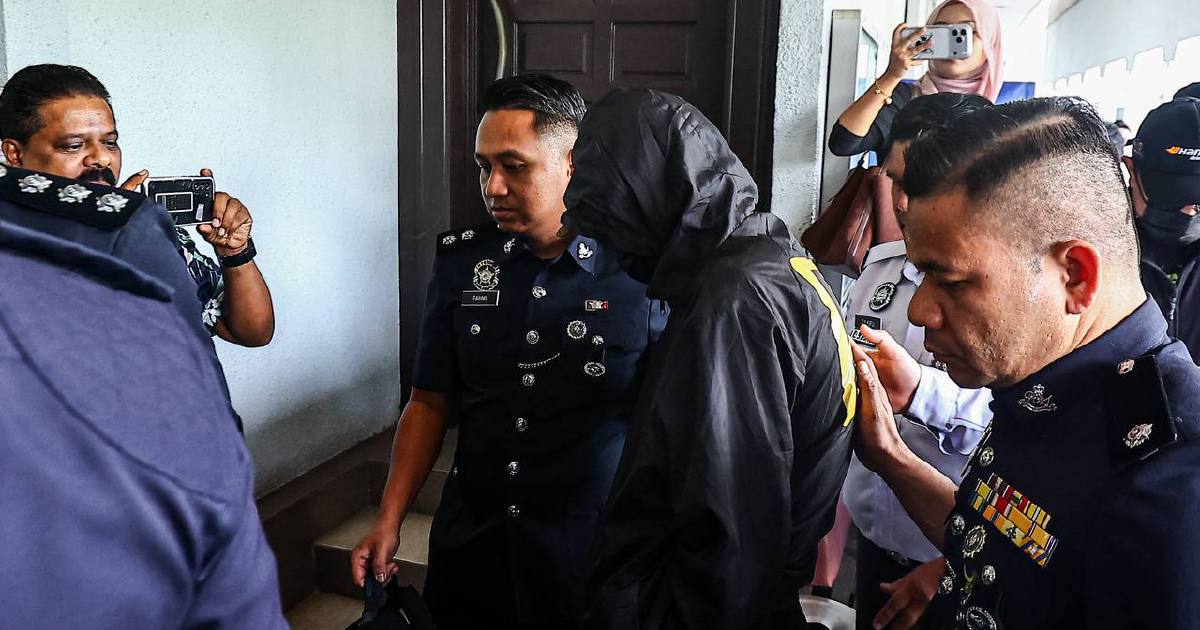
A driver employed by the Immigration Department made his court appearance in Kuala Lumpur today in connection with a deadly traffic incident that occurred along Jalan Sultan Ismail on the previous day. The arrival at the magistrates' court here was marked by substantial police security, reflecting the gravity of the collision and the media attention surrounding the case.
The fatal crash, which claimed at least one life, has sparked significant public concern about road safety in the heart of Kuala Lumpur's commercial district. Jalan Sultan Ismail, a major arterial route in the city center, witnesses heavy traffic during peak hours and has been the scene of previous accidents. The involvement of a government vehicle operated by the Immigration Department—a frontline agency responsible for border control and documentation—has added an administrative dimension to what is primarily a traffic tragedy.
Police deployments at the courthouse reflected standard procedures for cases attracting substantial public and media scrutiny. Such security arrangements are routinely implemented when proceedings involve government employees, particularly those in sensitive departments, to maintain order and ensure court proceedings proceed without disruption. The immigration driver's appearance signals the commencement of formal legal proceedings against him, marking the transition from the investigation phase to the judicial stage.
The circumstances surrounding the accident remain central to ongoing inquiries. Traffic collision investigations in Malaysia typically examine multiple factors including vehicle maintenance records, driver fatigue and hours of service compliance, road conditions at the time of impact, visibility levels, and potential mechanical failures. The involvement of a commercial lorry operated by a government agency means regulatory compliance with transport standards and departmental safety protocols will likely feature prominently in investigative findings.
Fatalities involving large goods vehicles have prompted sustained debate about enforcement of traffic regulations and vehicle maintenance standards on Malaysian roads. The prevalence of accidents involving lorries, particularly those operated by government departments and private contractors, has led authorities to periodically tighten inspections and impose stricter requirements for driver qualifications and vehicle fitness certifications. This incident will likely contribute to broader discussions about occupational safety for drivers and risk mitigation for other road users.
The Immigration Department, as the employing organization, faces potential institutional scrutiny regarding fleet management, driver training protocols, and workplace safety measures. Government agencies operating commercial vehicles are expected to maintain rigorous standards, and any deficiencies identified during investigations could lead to organizational remedial measures and policy adjustments. Previous incidents involving government vehicle operators have sometimes resulted in department-wide safety reviews and enhanced protocols.
Court proceedings in such cases typically unfold over several sessions, with the initial hearing focusing on determining bail eligibility, confirming charges, and establishing preliminary facts. The investigation phase will continue parallel to court procedures, with police gathering witness statements, analyzing forensic evidence from the accident scene, and obtaining technical reports regarding the vehicle and driver circumstances. The legal framework for traffic offences in Malaysia provides various charging options depending on the severity of the collision and contributing factors identified.
For road users and transport professionals across Malaysia and the Southeast Asian region, such incidents underscore the persistent challenges of urban traffic safety. The growth in vehicle numbers, increased commercial transportation demands, and the continuing evolution of road infrastructure have created complex safety scenarios requiring sustained attention from regulators, law enforcement, and vehicle operators. Insurance companies and transport logistics providers also monitor such cases closely as they inform risk assessment protocols and premium calculations.
The case has resonance beyond immediate legal proceedings, as it intersects with broader questions about government accountability, public safety infrastructure, and the responsibilities of employers operating commercial fleets. Malaysian civil society organizations focused on road safety advocacy will likely reference this incident when engaging policymakers regarding vehicle safety standards and enforcement mechanisms. The outcome of court proceedings and any subsequent regulatory actions will influence industry practices and departmental policies throughout the transport and government sectors.
As the matter progresses through the judicial system, the court's assessment of culpability, examination of contributing factors, and ultimate sentencing will establish precedent informing how similar cases are evaluated. The Immigration Department's institutional response—whether through driver retraining initiatives, fleet management improvements, or procedural modifications—will demonstrate how government agencies address operational safety following incidents involving their vehicles. For affected families and the broader community, the judicial process represents an avenue for accountability and potential systemic improvements to prevent similar tragedies.

