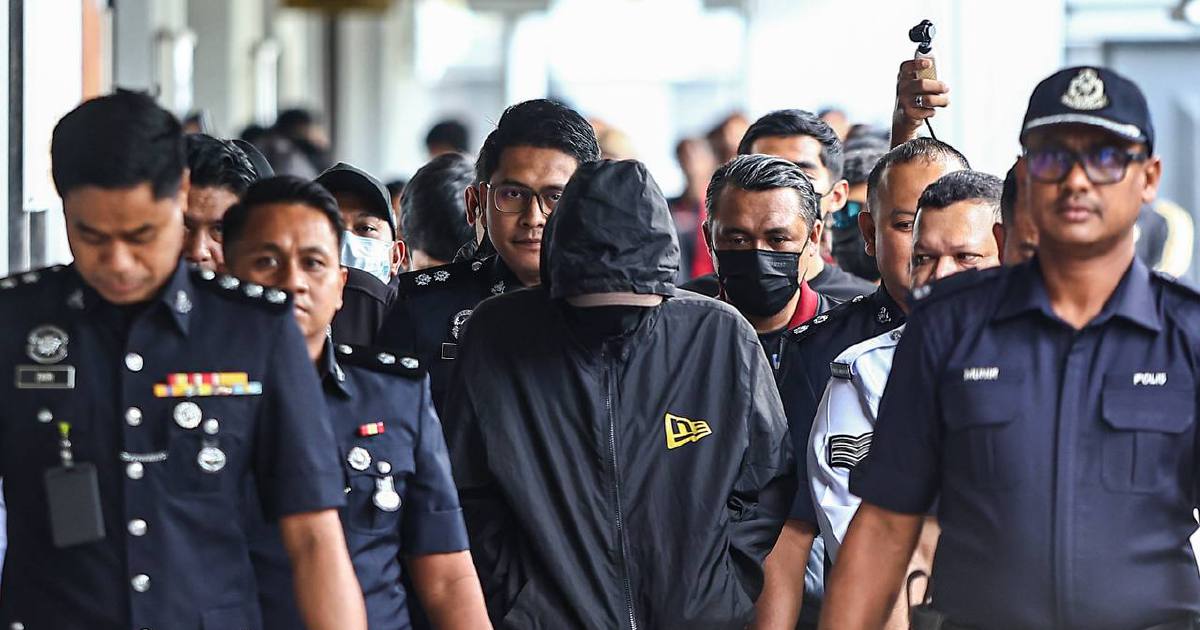
A lorry driver employed by Malaysia's Immigration Department appeared before the Kuala Lumpur magistrates' court today to face five charges stemming from yesterday's devastating collision at the Maju Junction intersection. The incident, which unfolded on Jalan Sultan Ismail, resulted in the deaths of three family members when the heavy vehicle struck their car, triggering a chain of events that would alter the lives of those involved.
The driver entered a plea of trial before the court, signalling his intention to contest the charges rather than accept a guilty verdict. Among the allegations he faces are three separate counts related to causing death by driving in a manner deemed reckless or dangerous under traffic laws. These charges carry significant potential penalties, reflecting the gravity of fatalities resulting from motor vehicle accidents on Malaysian roads.
The circumstances surrounding the collision have brought renewed focus to road safety at one of Kuala Lumpur's busier intersections. The Maju Junction area, which serves as a crucial transit point for commuters and commercial vehicles navigating the city's complex road network, has occasionally been the site of serious accidents. Yesterday's incident underscores the inherent risks present when heavy vehicles operate in proximity to civilian traffic, particularly family cars carrying multiple occupants.
Fatalities involving heavy commercial vehicles remain a persistent concern for Malaysian authorities. The relative mass and momentum of lorries mean that collisions involving such vehicles frequently result in severe consequences for occupants of lighter vehicles. The three-member family who perished in this instance represent victims of a tragedy that could potentially have been preventable through adherence to road safety protocols and careful vehicle operation.
The charges carried forward suggest investigators have gathered sufficient evidence to proceed with prosecution. Beyond the death-related counts, the additional charges on the court record indicate that traffic authorities identified other violations or reckless conduct contributing to the accident. These supplementary allegations may relate to factors such as failure to maintain safe speed, breach of traffic signals, or improper vehicle maintenance.
For the Immigration Department, the incident presents an institutional challenge. Government agencies operating commercial vehicles face heightened scrutiny when their staff are involved in serious accidents, as such incidents reflect on public sector standards and accountability. The department will likely review its driver training protocols and vehicle maintenance procedures in light of this occurrence. Public confidence in state institutions depends partly on how government employees conduct themselves in positions of public trust.
The families affected by this tragedy face an uncertain period ahead. Beyond the immediate grief of losing three loved ones, surviving family members must navigate both emotional devastation and the practical complications arising from sudden bereavement. Legal proceedings surrounding the incident may extend over many months, prolonging their exposure to the formal mechanisms of justice.
Road safety advocates have long pointed to Malaysia's accident statistics as a cause for concern. The country consistently records substantial numbers of road fatalities annually, with commercial vehicle accidents representing a significant proportion. This incident at Maju Junction serves as another data point in ongoing conversations about infrastructure design, driver training standards, and enforcement of traffic regulations on Malaysian roads.
The investigation into the collision is presumably complete, given that charges have been filed. Police and traffic reconstruction experts will have examined physical evidence, vehicle condition, road conditions, and witness statements to establish causation. The charges filed represent investigators' conclusions about what transpired in the moments leading to impact.
Moving forward, the court proceedings will determine whether the driver bears legal responsibility for the deaths. The magistrate's court will hear evidence from prosecution and defence teams, examining technical aspects of the collision and driver conduct. Depending on the outcome and severity of any convictions, sentencing could range significantly, potentially including imprisonment and driving bans.
This case resonates beyond the immediate parties involved. Every fatal road accident serves as a sobering reminder to Malaysian motorists about the consequences of inattention, excessive speed, or reckless behaviour behind the wheel. The families, communities, and colleagues of victims and accused alike face ripple effects that extend far beyond legal proceedings. For other drivers sharing Malaysian roads, incidents like this underscore the importance of constant vigilance and adherence to traffic safety principles.

