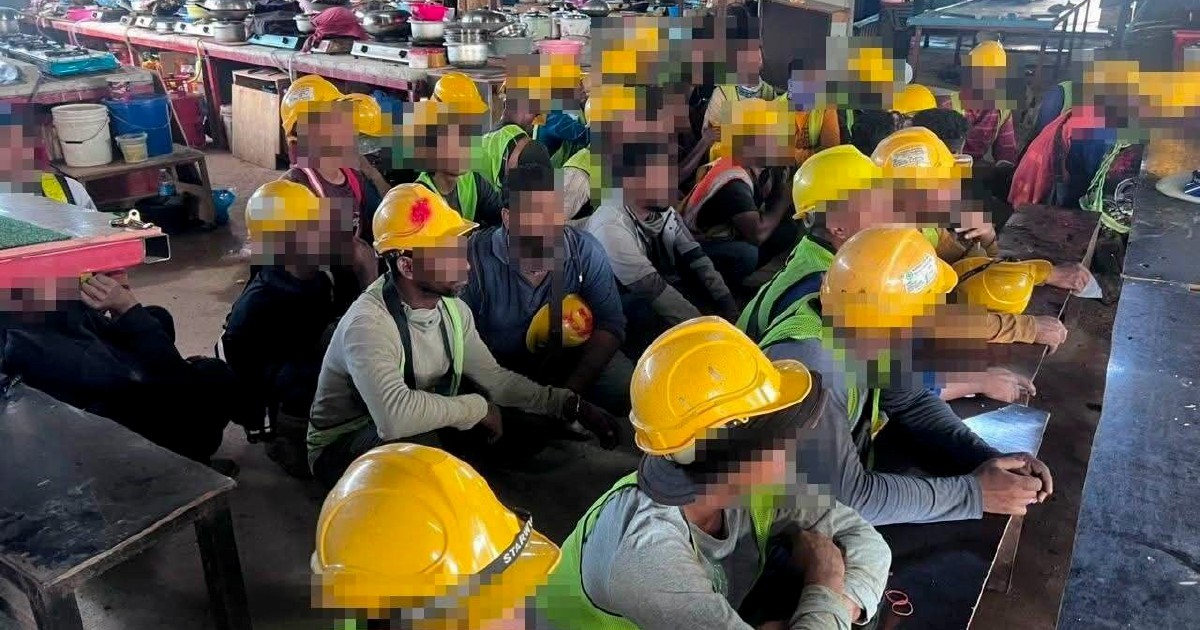
A sweeping immigration enforcement operation in Kedah has resulted in the arrest of 81 undocumented migrants working at a single construction site in Kuala Kedah, underscoring the persistent problem of unauthorised foreign workers embedded within Malaysia's building industry. The operation, known as Op Sapu, was conducted by the Kedah Immigration Department and represents part of broader national efforts to curb illegal migration and irregular employment.
The scale of the arrest—capturing over four-fifths of a century's worth of undocumented individuals at one location—demonstrates how construction projects across the country often become focal points for migrant labour exploitation and regulatory non-compliance. The Malaysian construction sector has long struggled with hidden reliance on foreign workers who lack proper documentation, creating conditions where migrants work without legal protection and employers operate outside compliance frameworks.
Construction sites present particularly vulnerable environments for labour violations. Without formal documentation, workers are denied access to basic protections, fair wages, proper safety equipment, and mechanisms for reporting abuse. The concentration of so many undocumented migrants at a single Kuala Kedah site suggests systemic issues within project management, site supervision, and contractor accountability that allow such arrangements to persist despite regulatory oversight.
The arrest operation reflects intensified immigration enforcement strategies aimed at dismantling the supply chains that facilitate illegal employment. By targeting construction sites directly, authorities attempt to disrupt the economics that make hiring undocumented workers attractive to employers seeking to minimise labour costs. However, the sheer number apprehended in a single location raises questions about whether such operations can realistically address the scale of the problem across Malaysia's sprawling construction sector.
For Malaysian businesses and the broader economy, the reliance on undocumented labour creates structural distortions. Companies complying with legal hiring requirements and worker protections face competitive disadvantages against those willing to exploit regulatory gaps. This dynamic simultaneously depresses wages for documented workers and creates unfair business competition that ultimately hampers Malaysia's development of a sustainable, productive labour market.
The undocumented migrants themselves represent a vulnerable population susceptible to exploitation, trafficking networks, and dangerous working conditions. Without legal status, they cannot easily report abuse, seek medical attention for workplace injuries, or negotiate reasonable terms of employment. Many are trafficked into Malaysia through organised networks that profit from the gap between labour demand in construction and the supply of documented workers willing to accept available positions and wages.
Kedah, as a state with significant construction activity and developmental projects, has experienced recurring immigration enforcement operations targeting migrant workers. Op Sapu operations specifically focus on rooting out undocumented persons across various economic sectors. The scale of this particular operation suggests either heightened enforcement capacity in the state or indication that compliance problems have worsened, requiring more aggressive intervention.
The construction sector's dependence on migrant labour reflects broader demographic and economic realities. Malaysia's ageing population and relatively low unemployment rates among citizens mean construction employers struggle to find sufficient domestic workers, creating incentives to source labour through informal channels. However, this labour market reality does not justify circumventing legal hiring procedures or subjecting workers to conditions that violate their rights.
For neighbouring countries like Thailand, Myanmar, and the Philippines—primary sources for undocumented migrants in Malaysia—such enforcement actions highlight ongoing vulnerabilities in their nationals abroad. Despite bilateral agreements and migration frameworks, significant portions of migrant workers remain outside formal protection mechanisms, subject to the risks and exploitation inherent in irregular status.
The broader implications for Malaysia centre on whether enforcement alone can address systemic issues or whether policy approaches must simultaneously address underlying demand factors. Construction companies seeking competitive advantage through labour cost reduction will continue sourcing undocumented workers unless regulations are enforced rigorously and penalties are substantive enough to deter non-compliance.
Moving forward, effective solutions likely require coordinated approaches combining enforcement with industry regulation, employer accountability measures, and improved legal migration pathways that allow construction sectors to access documented workers. Without addressing the economic incentives driving employers toward undocumented labour, individual operations—even capturing over 80 undocumented migrants—represent temporary disruptions rather than sustainable solutions.

