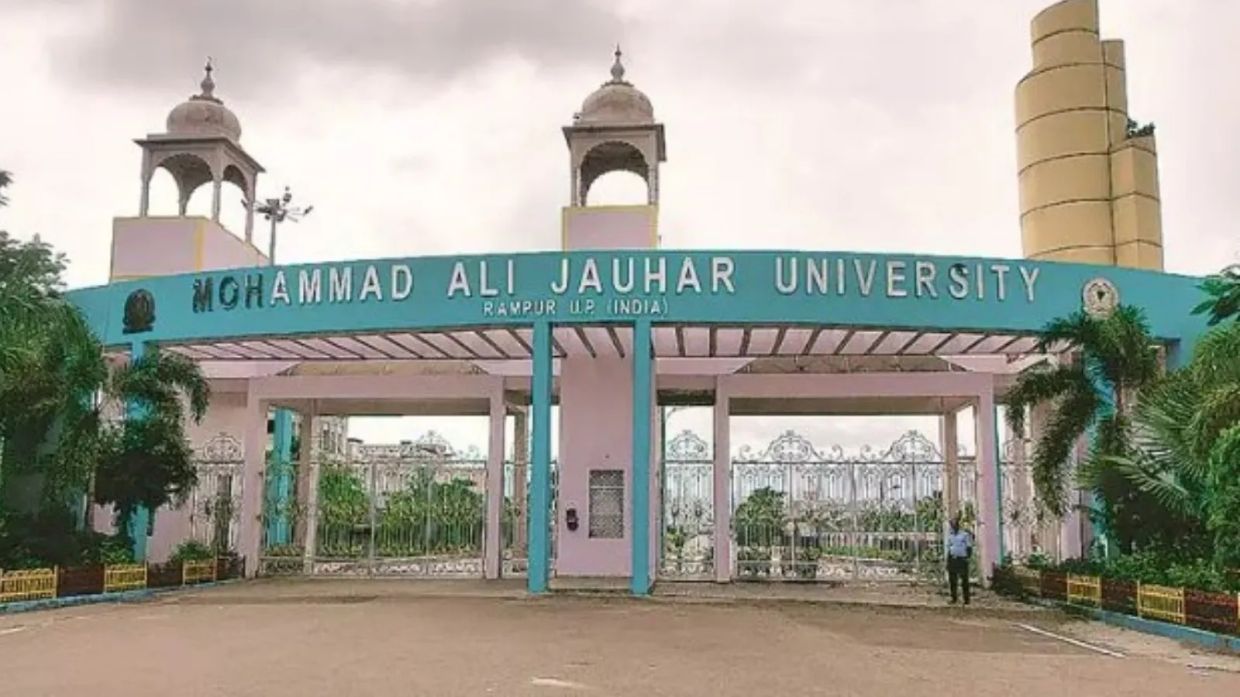
Authorities in Rampur city, located in India's northern state of Uttar Pradesh, have initiated proceedings to demolish 38 buildings across Mohammad Ali Jauhar University's sprawling 250-acre campus following allegations of illegal construction work. The Rampur Development Authority issued the demolition directive on Wednesday, July 15, targeting substantially all structures within the institution, raising fresh concerns about the institution's future and the circumstances surrounding the enforcement action.
The scale of the demolition order is extraordinary, affecting nearly the entire campus infrastructure. With only two of the university's forty buildings spared from the mandate, the action represents a comprehensive intervention that extends well beyond targeted enforcement of building codes. The university, which has operated since its establishment in 2006, now faces an existential challenge that could severely disrupt academic activities and displace students and staff across all programmes.
Mohammad Ali Jauhar University carries historical significance through its namesake, honouring a prominent figure in India's struggle for independence. The institution was established by Azam Khan, a prominent political figure who served as a state minister and has long been recognised as an accomplished orator and influential community leader. His decision to found an educational institution bearing the name of an independence icon reflected broader political and social positioning within Uttar Pradesh's competitive political landscape.
Azam Khan's political background proves central to understanding the current crisis. He is affiliated with the Samajwadi Party, which governed Uttar Pradesh from 2012 until 2017, when it was decisively defeated by the Bharatiya Janata Party in a significant electoral reversal. This political transition created a fundamentally altered power dynamic at both state and administrative levels, with implications that have extended to institutions associated with leaders from the previous ruling coalition.
The timing and scope of the demolition order intersect with serious legal troubles engulfing Azam Khan and his immediate family. He and his son Abdullah are currently imprisoned following a court conviction in a case involving forged documents, a development that has effectively removed the university's founder from any direct involvement in institutional affairs. His incarceration represents a dramatic fall from political prominence and influence, circumstances that have paralleled mounting legal and administrative pressures on enterprises and organisations associated with him.
Azam Khan's wife, Tazeen Fatima, experienced imprisonment in a separate case concerning a birth certificate but subsequently secured bail, allowing her conditional release. The cascading legal proceedings targeting multiple family members across distinct cases have created a pattern of judicial involvement that extends across several household members, suggesting either systematic targeting or exposure across multiple legal vulnerabilities. The family has consistently characterised these prosecutions as politically motivated vendettas rather than neutral enforcement of law.
From a Southeast Asian perspective, this situation illuminates broader regional dynamics surrounding institutional autonomy, political transitions, and the vulnerability of educational establishments when their founders face political adversity. In Malaysia and other ASEAN nations where similar political contestation occurs, the case demonstrates how transitions in governmental authority can suddenly expose institutions to enforcement actions that might previously have received regulatory accommodation. The Malaysian context, with its own history of inter-party political competition and occasional disputes over institutional governance, offers relevant parallels for examining how educational establishments navigate political change.
The university's legal status and accreditation become critical considerations moving forward. If demolition proceeds comprehensively, the institution would lose physical infrastructure necessary for academic operations, forcing a complete reconstruction or cessation of programmes. This scenario would disadvantage existing students pursuing ongoing qualifications and could undermine the university's capacity to attract future enrollment. The broader reputation of Indian higher education could suffer if international observers perceive institutional viability as contingent on political circumstances rather than educational merit.
The demolition order raises fundamental questions about procedural due process and the distinction between legitimate building code enforcement and administrative action influenced by political considerations. While unauthorised construction represents a genuine regulatory concern warranting intervention, the comprehensive scope and timing of this particular order warrant scrutiny regarding whether enforcement mechanisms are being calibrated with proportionate measured responses or whether political context is influencing administrative decision-making in ways that exceed standard regulatory practice.
For Malaysian readers and regional observers, this case underscores the importance of establishing institutional independence safeguards that insulate educational establishments from political fluctuations affecting their founders or major benefactors. Strong governance frameworks, independent boards of trustees, and transparent regulatory processes serve as protective mechanisms ensuring that enforcement actions reflect genuine public interest rather than reflecting political competition among elites. The vulnerability of the university demonstrates how institutions lacking robust autonomous governance structures become vulnerable to administrative pressures when political circumstances shift.
The broader implications extend to questions about institutional resilience in South Asian and Southeast Asian contexts where political competition remains pronounced and administrative machinery remains sensitive to political direction. Universities and educational institutions require stability and predictability to pursue their fundamental missions of teaching, research, and community service. When institutions become entangled in political disputes affecting their founders or leadership, their core functions become compromised regardless of the ultimate justification for enforcement actions.
Azam Khan's family has explicitly rejected characterisations of these cases as legitimate governance actions, maintaining that political vindictiveness rather than legal principle motivates the prosecutions and administrative orders. This counter-narrative, whether substantiated or not, illustrates how political polarisation in India influences public interpretation of institutional actions. In Malaysia's competitive political environment, similar disputes over institutional governance have sometimes generated competing narratives depending on one's political affiliation, suggesting that cross-regional patterns of political contestation converge on similar institutional vulnerabilities.

