Indonesia's energy ministry has formally charged 24 foreign nationals as criminal suspects in connection with an extensive illegal gold mining operation discovered in the Maluku region, marking another significant enforcement action against transnational mining networks operating within Indonesian territory. According to ministry official Jeffri Huwae, the charges represent a substantial escalation in authorities' effort to dismantle sophisticated clandestine mining enterprises that have proliferated across Indonesia's eastern provinces despite strengthened regulatory oversight.
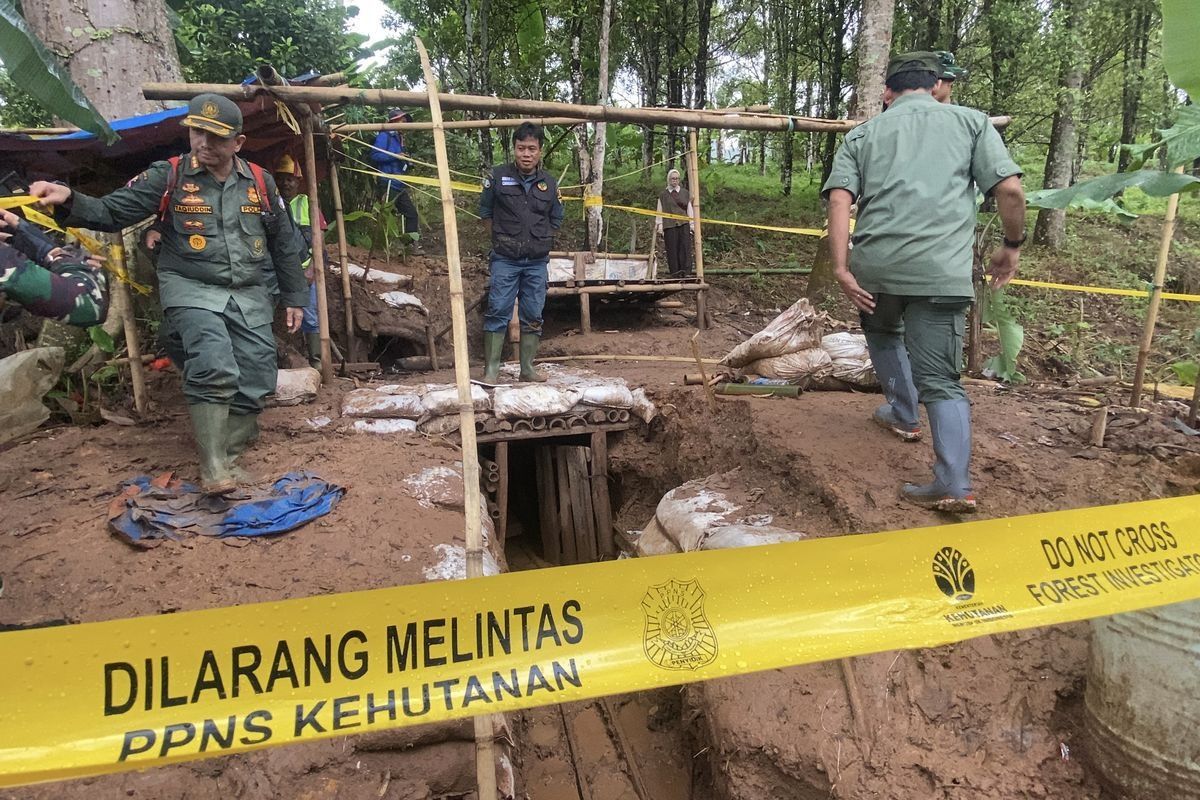
The accused foreigners were allegedly engaged in constructing and maintaining an elaborate infrastructure network supporting the illegal extraction operations centred around the Gunung Botak area of Maluku. This infrastructure encompassed not merely extraction equipment but also access roads and mineral processing facilities, indicating a level of operational sophistication that extended far beyond crude artisanal mining. Such comprehensive infrastructure development suggests the operation required significant capital investment and coordination, pointing to organised criminal involvement rather than opportunistic resource theft.
Under Indonesian criminal law, the charges carry potentially severe consequences for those convicted. The energy ministry specified that violations in this category carry maximum prison sentences of five years, a penalty designed to deter organised illegal mining operations and reflect the seriousness with which Indonesian authorities now treat transnational resource crimes. The ministry did not disclose the specific nationalities of the accused or provide estimates of gold volumes allegedly extracted, limiting full assessment of the operation's scale and international dimensions.
Earlier reporting by Indonesia's state news agency Antara identified the suspects as predominantly Chinese nationals working under sponsorship arrangements with local enterprise PT Harmoni Alam Manise. This pattern of foreign operators working through Indonesian corporate vehicles has become increasingly common in illegal mining networks, allowing operators to exploit local business registration systems while maintaining control of extraction activities. The corporate sponsorship model effectively obscures the foreign character of operations and complicates enforcement efforts targeting international criminal networks.
The current status of the accused remains divided between those in custody and those who have evaded apprehension. The energy ministry reported that 12 of the 24 foreign suspects have already been detained and face prosecution proceedings, while the remaining 12 remain at large and have reportedly departed Indonesian jurisdiction entirely. This enforcement gap highlights persistent challenges in apprehending international criminal actors who can flee across maritime borders in Southeast Asia's archipelagic geography, particularly when operations span remote island regions with limited coastguard capacity.
Beyond the 24 foreign nationals, Indonesian authorities have extended criminal charges to two Indonesian nationals implicated in the operation. These domestic suspects likely occupied management, logistical, or corruption facilitation roles that enabled sustained illegal extraction activities. Indonesian involvement in such schemes underscores how transnational mining crimes require complicity from local actors who understand regulatory vulnerabilities and can navigate bureaucratic systems to shield operations from detection.
The Gunung Botak case reflects a persistent pattern of organised illegal mining involving foreign nationals across Indonesia's resource-rich eastern regions. Maluku and adjacent provinces have attracted international mining crime networks due to geological richness in gold and other minerals combined with geographic remoteness that complicates regulatory oversight. These frontier regions offer conditions particularly favourable for clandestine operations, where populations dependent on subsistence activities become vulnerable to recruitment and infrastructure gaps limit government monitoring capacity.
Indonesian law enforcement has demonstrated increasing capability in detecting and prosecuting transnational mining operations. Last year, Papua's police arrested four Chinese nationals operating illegal mines in Senggi district, indicating that successive enforcement actions are disrupting organised networks across multiple provinces. However, the pattern of multiple arrests continuing despite previous busts suggests that mining crime networks possess sufficient profitability and organisational resilience to sustain operations despite heightened enforcement risk.
For Malaysian and Southeast Asian observers, the Indonesian enforcement action carries significant implications regarding regional resource security and transnational crime dynamics. As precious metal prices remain elevated globally, pressure on illegal mining networks to expand operations across Southeast Asia intensifies. Malaysia's own mineral-rich regions face comparable vulnerabilities to organised illegal mining, particularly as transnational criminal networks develop sophisticated operational capacity to exploit jurisdictional boundaries and weak enforcement coordination between nations. The Maluku case demonstrates how rapidly such operations can establish substantial infrastructure, underscoring the need for enhanced regional cooperation in detecting and disrupting cross-border mining crime networks before they achieve operational maturity.

