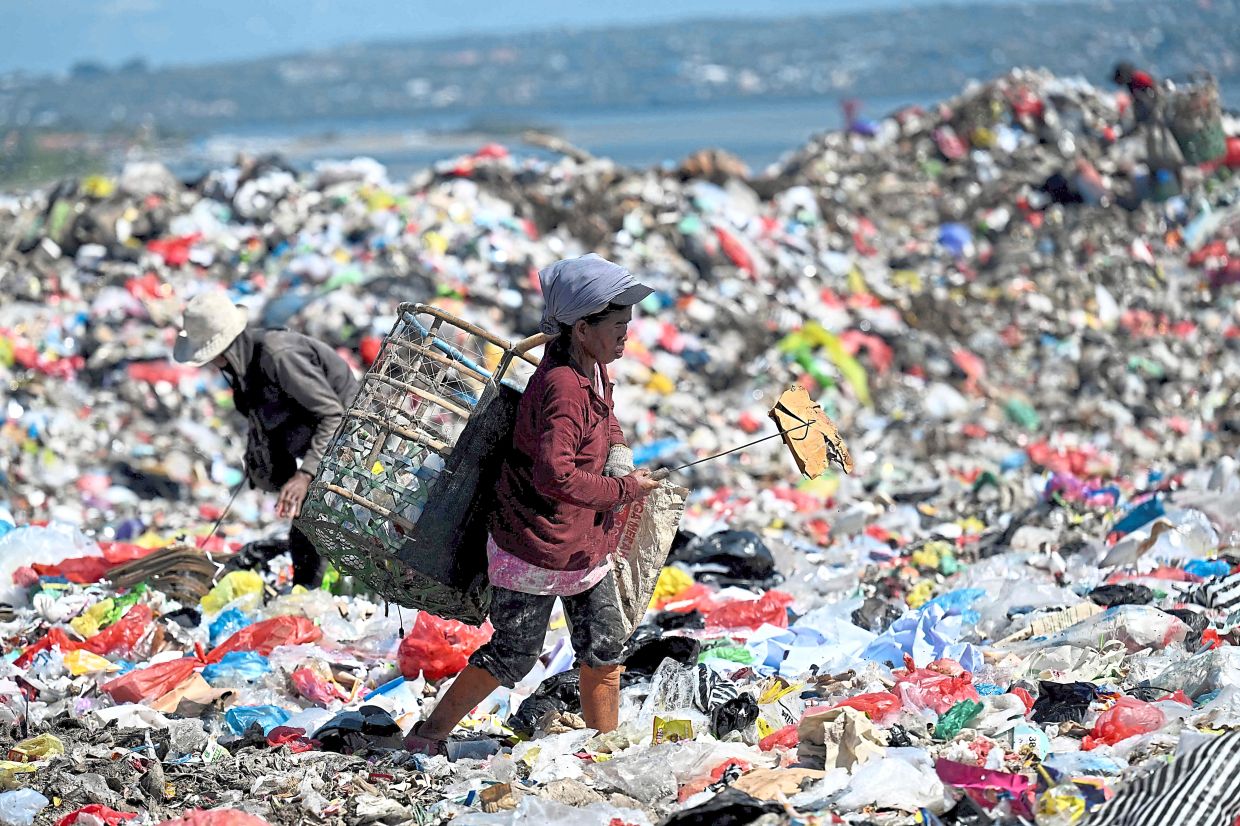
Indonesia has officially commenced construction on its debut waste-to-energy facility in Bali, signalling the beginning of an ambitious national initiative to harness municipal waste as a source of electrical power while simultaneously addressing a mounting environmental challenge. The project, inaugurated on Wednesday at Pedungan Village in South Denpasar, represents a significant shift in how the archipelago approaches waste management infrastructure—moving away from traditional landfill-dependent methods towards energy conversion technologies.
Danantara Indonesia, operating through its investment management division and in partnership with project developer Daya Energi Bersih Nusantara, is spearheading the initiative. Rosan Roeslani, chief executive officer of Danantara Indonesia, emphasised that the facility embodies a modernisation strategy for Indonesia's waste infrastructure. Rather than simply storing waste in designated dumping grounds, the plant will employ advanced thermal conversion processes to extract electrical energy from municipal refuse, thereby serving a dual environmental purpose.
The technical foundation of the Bali facility rests on moving grate incinerator technology, a proven methodology utilised across numerous waste-to-energy installations globally. This approach has been selected specifically because it meets stringent European Industrial Emissions Directive standards, ensuring that operations maintain compliance with some of the world's most rigorous environmental regulations. Such adherence to international benchmarks is crucial for Indonesia, as it demonstrates commitment to mitigating air and environmental pollution that could otherwise result from uncontrolled waste disposal.
President Prabowo Subianto has positioned waste management as a national priority requiring urgent collective action. Roeslani referenced this presidential directive in his statement, framing the project as necessary to prevent accumulated waste from becoming a burden on future generations. This framing reflects broader Southeast Asian concerns about rapid urbanisation and consumption patterns that have outpaced traditional waste management capacity across the region. Indonesia, as the region's largest economy, faces particular pressure to develop scalable solutions.
The environmental gains projected by Danantara are substantial. The facility is expected to reduce greenhouse gas emissions by up to eighty per cent per tonne of waste relative to conventional open dumping at landfills. This differential stems from capturing methane emissions—a potent greenhouse gas generated by decomposing organic matter in landfills—and instead converting the energy content of waste into electricity. For a nation generating more than 140,000 tonnes of waste daily, even marginal percentage reductions translate into significant absolute emissions reductions.
Employment generation represents another dimension of the project's appeal to policymakers. During both construction and operational phases, the facility is projected to create up to 1,200 green jobs. These positions span skilled trades in plant operation and maintenance, professional roles in environmental monitoring, and administrative functions. For Bali specifically, where tourism dominates the economy but environmental degradation poses risks to that sector's sustainability, local employment tied to waste infrastructure offers economic diversification.
Commercial viability has been secured through a Power Purchase Agreement signed between the project company and PLN, Indonesia's state-owned electricity utility. This agreement guarantees long-term purchase commitments for electricity generated by the facility, providing the financial stability necessary for investors to justify capital deployment. Such arrangements are essential for waste-to-energy projects, which require substantial upfront infrastructure investment but generate returns over extended operational periods. PLN's participation signals government backing and ensures the facility's output integrates into the national electricity grid.
The timing of this initiative reflects both necessity and strategic opportunity. Indonesia's rapid urbanisation and rising middle-class consumption have accelerated waste generation faster than the country's waste management infrastructure could adapt. Landfill capacity in major urban centres approaches saturation, while open dumping creates persistent environmental hazards affecting groundwater and air quality. Waste-to-energy technology offers a pathway to simultaneously reduce landfill dependence and expand renewable energy capacity, addressing two critical policy objectives concurrently.
For other Southeast Asian nations confronting similar waste challenges, Indonesia's Bali facility may serve as a template. Countries throughout the region generate waste at rates outpacing traditional infrastructure expansion, yet face financial and technical constraints in implementing European or North American-style waste management systems. A regionally-developed solution using proven global technology but tailored to developing economy contexts could attract replication. Success in Bali would establish operational experience and supply chain familiarity that could accelerate deployment elsewhere.
The facility also reflects broader global trends in circular economy thinking and climate action integration into economic development. Rather than viewing waste as a disposal problem requiring external solutions, the technology transforms it into a resource with economic value. This reframing aligns with United Nations Sustainable Development Goals emphasising responsible consumption and clean energy, positioning Indonesia's effort within international sustainability frameworks that influence investment and development finance flows.
However, the transition from groundbreaking ceremony to full operational capacity will face implementation challenges. Construction timelines for waste-to-energy facilities frequently extend beyond initial projections, technical integration with PLN's grid requires careful coordination, and community acceptance in areas near the facility remains essential. Environmental monitoring protocols must ensure actual emissions performance meets projections, particularly given that technology performance in tropical climates with Indonesia's specific waste composition may differ from European references.
Looking forward, Indonesia's declared commitment to developing a national programme of waste-to-energy plants suggests this Bali facility represents an opening move in longer-term infrastructure transformation. Scaling from a single facility to a network capable of processing a meaningful portion of Indonesia's 140,000-plus daily tonnes of waste requires sustained political commitment, continued investment from both sovereign and commercial sources, and technical capacity development across multiple regions. The project's success or challenges will significantly influence whether other nations in Southeast Asia pursue comparable approaches to their mounting waste challenges.

