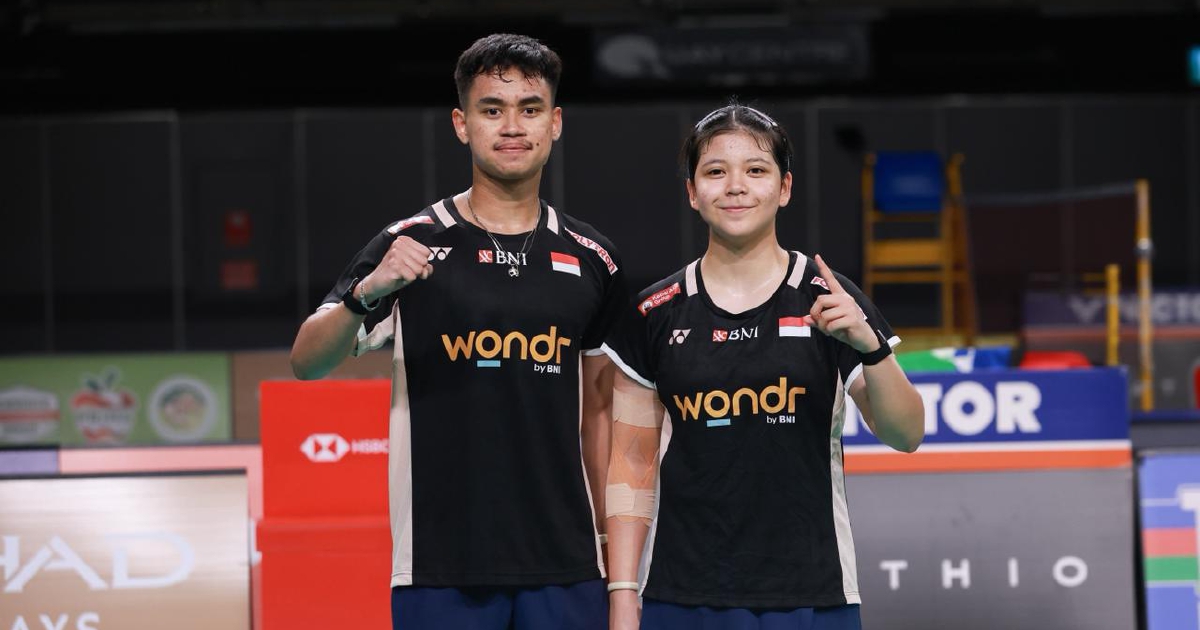
The Indonesia Badminton Association (PBSI) has taken the significant step of withdrawing two mixed doubles pairs from the World Championships scheduled for August 17-23 in New Delhi, a decision stemming from match-fixing investigations initiated by the Badminton World Federation (BWF). The move represents a major disciplinary action within Southeast Asia's badminton community and underscores growing concerns about competitive integrity in the sport at its highest levels.
Match-fixing allegations in professional badminton have emerged as a persistent threat to the sport's credibility over recent years. The BWF, as the governing body responsible for maintaining fair competition standards globally, has intensified its scrutiny of suspicious match outcomes and player conduct. Indonesia, traditionally one of the world's badminton powerhouses with a strong tradition in mixed doubles competition, faces particular scrutiny given the country's prominence in international tournaments and its large player pool competing across multiple categories.
The withdrawal of competitor pairs before a marquee event carries substantial implications for Indonesian badminton. The World Championships represent one of the most prestigious tournaments on the badminton calendar, offering elite athletes crucial ranking points, sponsorship opportunities, and career advancement. By voluntarily removing pairs during an investigation phase, the PBSI demonstrates a commitment to supporting the BWF's integrity efforts, though the action simultaneously affects Indonesia's competitive prospects at the event.
Mixed doubles badminton holds particular significance in Southeast Asian competitions, where Indonesian pairs have historically excelled. The region's badminton culture emphasizes this discipline, and the sport commands devoted followings in Malaysia, Indonesia, Thailand, and Singapore. Suspensions at this level therefore resonate beyond mere sporting statistics, touching upon national pride and the regional balance of competitive advantage in a sport where Southeast Asian nations have traditionally dominated.
The investigation process itself reflects evolving regulatory frameworks within international sports. The BWF's willingness to suspend athletes during probe periods, rather than waiting for conclusive verdicts, indicates a precautionary stance aimed at protecting tournament credibility. For players, coaches, and national associations, this creates uncertainty and potential reputational damage regardless of eventual investigation outcomes. The PBSI's cooperation in removing pairs suggests the association is positioning itself as a responsible governance partner rather than resisting BWF authority.
Match-fixing in badminton typically involves manipulating match results to affect betting markets or tournament outcomes. The sport's structure—featuring numerous matches across qualifying rounds and group stages—creates opportunities for suspicious patterns if players or officials act corruptly. Investigators examine factors including unusual betting activity, unexpected performance variations, and intelligence from informants within the sport. The involvement of world-class athletes in previous cases has demonstrated that corruption can penetrate even elite competitive levels.
For Malaysian readers and Southeast Asian badminton enthusiasts, this development carries competitive implications. With Indonesian pairs removed from contention, the field composition for the New Delhi championships shifts, potentially benefiting other regional competitors. Malaysian mixed doubles pairs, traditionally strong performers at world championships, may face altered competitive dynamics and possibly improved pathways through tournament brackets. This structural change could influence medal prospects for countries competing across the region's badminton ecosystem.
The broader context involves badminton's position as a relatively niche sport globally despite deep roots in Southeast Asia. Compared to football or tennis, badminton receives less mainstream media attention in Western markets, yet commands enormous enthusiasm in Asian countries where it represents cultural heritage and national identity. Match-fixing scandals therefore threaten not merely sporting outcomes but public confidence in an institution many citizens regard with genuine passion and pride.
The PBSI's internal response mechanisms following this suspension will prove critical. Whether the association implements enhanced anti-corruption education, strengthens athlete monitoring, or modifies selection procedures could influence how comprehensively Indonesian badminton addresses systemic vulnerabilities. Other Southeast Asian badminton associations may observe these responses, potentially adopting similar preventive measures within their own governance structures as a precautionary measure.
The suspension also highlights power dynamics between national sporting bodies and the international federation. While PBSI retains autonomy over its domestic operations and athlete development, the BWF's investigative authority and enforcement capacity ultimately shape which athletes compete globally. This arrangement reflects international sports governance norms, yet creates tensions when national interests conflict with global regulatory imperatives. Players themselves occupy vulnerable positions, subject to suspensions based on investigations whose detailed evidence may remain confidential.
Moving forward, the investigation's outcomes will determine whether suspended pairs receive clearance to compete internationally or face longer-term sanctions. The BWF typically publishes findings and sanctions decisions, creating public records that affect athlete marketability and career trajectories. For aspiring badminton players throughout Southeast Asia, such cases serve as cautionary examples of how integrity violations carry severe professional consequences beyond immediate competition suspension.
Indonesia's badminton community, despite this setback, maintains competitive strength across other disciplines. Men's and women's singles competitors, as well as doubles players not subject to investigation, will represent the nation at the New Delhi championships. The broader question concerns how thoroughly match-fixing investigations will penetrate Indonesian badminton and whether additional suspensions or charges may emerge as the BWF's probe progresses, potentially affecting multiple athletes or national team structures.

